The beauty industry is undergoing a seismic transformation as consumers, regulators, and brands converge on a shared priority: sustainable root skincare. This movement, rooted in the demand for transparency and ecological responsibility, has accelerated over the past decade, with market projections estimating a compound annual growth rate (CAGR) of 12.4% for clean beauty products through 2030. The shift is not merely a trend but a systemic recalibration of how botanical ingredients are sourced, processed, and delivered to consumers. From the remote highlands of Madagascar, where wild-harvested Centella asiatica is collected under fair-trade agreements, to laboratory facilities in Switzerland refining vegan root extracts without synthetic solvents, the supply chain is being reimagined. This article examines the multifaceted dimensions of sustainable root skincare, dissecting its historical evolution, operational mechanics, and the competing interests shaping its future.
The Current Landscape: Who, What, When, Where, Why, and How
The push for clean ingredient sourcing in skincare gained momentum in the early 2010s, driven by a confluence of factors: regulatory crackdowns on harmful chemicals, exposés on unethical labor practices in botanical supply chains, and a growing body of research linking synthetic additives to long-term health risks. The European Union’s Cosmetics Regulation (EC) No 1223/2009, enacted in 2013, set a precedent by banning over 1,300 substances, forcing brands to seek alternatives. Simultaneously, consumer awareness surged, with a 2022 McKinsey report revealing that 66% of Gen Z and millennial consumers prioritize sustainability in their purchasing decisions.
Geographically, the epicenter of this shift is split between two poles: production and consumption. Developing nations in South America, Africa, and Southeast Asia supply the majority of raw botanicals, while North America and Europe dominate demand. For example, Brazil’s Pfaffia paniculata (Brazilian ginseng) and India’s Withania somnifera (ashwagandha) are now staples in high-end skincare formulations, but their cultivation and harvesting practices vary widely. Some brands adhere to regenerative farmed botanicals principles, while others exploit lax local regulations to cut costs. The disparity underscores the complexity of achieving ethical harvesting skincare at scale.
The how of this transition involves a mix of technological innovation and traditional knowledge. Advanced extraction methods, such as supercritical CO₂ processing, allow brands to isolate organic root concentrates without chemical residues. Meanwhile, indigenous communities are reclaiming agency over their botanical heritage, with initiatives like the FairWild Foundation certifying wild-harvested ingredients under equitable terms. These developments are not uniform, however. Small-scale farmers often lack access to certification programs, and larger corporations face pressure to balance sustainability with profitability.
Historical Context: From Ancient Remedies to Modern Movements
The use of plant roots in skincare is not new. Archaeological evidence suggests that ancient Egyptians used licorice root to treat skin inflammation as early as 1550 BCE, while traditional Chinese medicine has long employed Rehmannia glutinosa for its anti-aging properties. What has changed is the industrialization of these practices—and the environmental and ethical consequences that followed.
- Pre-20th Century: Skincare relied on locally sourced, unprocessed botanicals. Trade routes like the Silk Road facilitated the exchange of ingredients, but supply chains were limited by geography and seasonality.
- 1900s–1980s: The rise of synthetic chemistry led to the mass production of skincare products. Petroleum-derived ingredients and artificial preservatives dominated the market, sidelining traditional botanical knowledge.
- 1990s–2000s: The backlash against synthetics began. The Organic Consumers Association (founded in 1998) and the Environmental Working Group’s Skin Deep Database (launched in 2004) exposed the risks of toxic ingredients, paving the way for the clean beauty movement.
- 2010s–Present: The focus shifted to sustainability. Brands like Dr. Hauschka and RMS Beauty pioneered zero waste beauty practices, while certifications like COSMOS Organic and Ecocert set standards for eco-friendly botanical roots. The 2015 Paris Agreement further accelerated corporate commitments to carbon-neutral skincare, with brands like Aveda achieving net-zero emissions by 2020.
Operational Mechanics: How Sustainable Root Skincare Works
The production of sustainable root skincare involves a series of interconnected steps, each with its own environmental and ethical considerations. Below is a breakdown of the key stages:
1. Sourcing and Harvesting
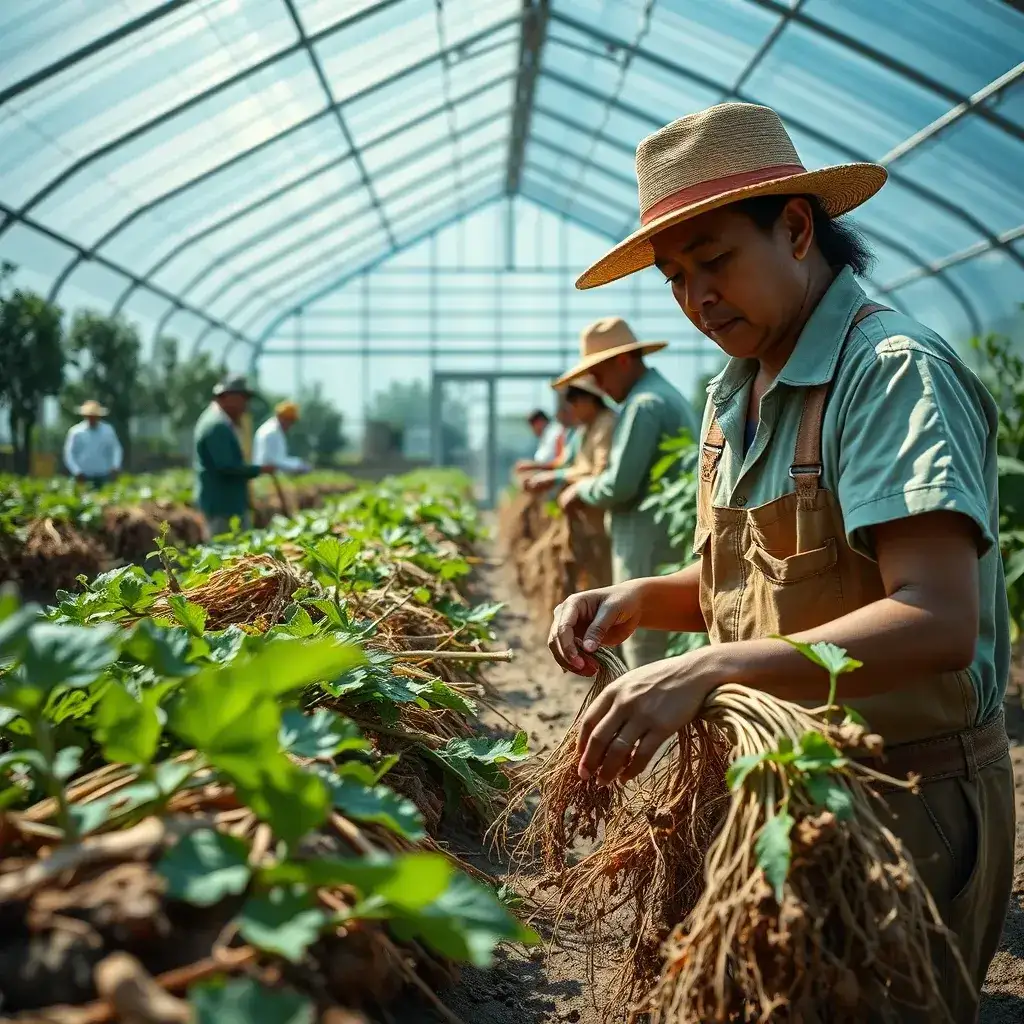
Ethical harvesting begins with the selection of raw materials. Brands committed to sustainable wildcrafting work with local communities to ensure that harvesting does not deplete natural resources. For example, EcoCert-certified suppliers in Peru follow strict guidelines when collecting Maca root, limiting extraction to 30% of a plant’s biomass to allow regeneration. In contrast, conventional farming often prioritizes yield over sustainability, leading to soil degradation and biodiversity loss.
“The difference between sustainable and conventional sourcing is night and day,” says Dr. Maria Rodriguez, a botanist at the Royal Botanic Gardens, Kew. “When you walk into a regeneratively farmed field, you see thriving ecosystems. In a monoculture plantation, you see rows of a single crop, devoid of life.”
2. Extraction and Processing
Traditional extraction methods, such as steam distillation and solvent-based processes, can be energy-intensive and produce hazardous waste. Modern alternatives, like green beauty extraction techniques, mitigate these issues. Supercritical CO₂ extraction, for instance, uses carbon dioxide in a closed-loop system to isolate active compounds without leaving residues. A 2021 study published in the Journal of Cleaner Production found that this method reduces water usage by 90% compared to conventional techniques.
However, these technologies come with trade-offs. “Supercritical CO₂ extraction is more expensive and requires specialized equipment,” notes Dr. James Carter, a chemical engineer at MIT’s Department of Materials Science. “For small brands, the upfront costs can be prohibitive, which is why we’re seeing a divide between industry leaders and smaller players.”
3. Formulation and Packaging
The final step involves blending pure plant root therapy ingredients into finished products and packaging them sustainably. Brands like Elate Cosmetics use bamboo compacts and refillable systems to minimize waste, while others opt for biodegradable root beauty materials like mycelium-based packaging. A 2023 report by Zero Waste Europe found that the beauty industry generates 120 billion units of packaging annually, 95% of which is not recycled. Transitioning to zero waste beauty could reduce this figure by up to 70%.
Quantitative Data Analysis: Measuring Impact and Market Growth
The economic and environmental impacts of sustainable root skincare are quantifiable. Below are key metrics that illustrate its growth and challenges:
| Metric | 2020 Data | 2023 Data | Projected 2030 | Source |
|---|---|---|---|---|
| Global Clean Beauty Market Size | $11.6 billion | $18.3 billion | $39.2 billion | Grand View Research |
| Consumer Willingness to Pay Premium for Sustainable Skincare | 42% | 61% | 78% | NielsenIQ, 2023 |
| Reduction in Carbon Footprint (vs. Conventional Skincare) | 25% | 38% | 55% | Carbon Trust, 2022 |
| Brands with Ethical Sourcing Certifications | 12% | 28% | 50% | FairWild Foundation, 2023 |
Despite these gains, disparities persist. A 2022 UNEP report found that only 15% of botanical supply chains in developing nations meet fair-trade standards, highlighting the gap between corporate commitments and on-the-ground realities. “The data shows progress, but it also reveals how much work remains,” says Amina Diallo, a supply chain analyst at Ethical Consumer Research Association. “Certifications are a start, but they’re not a panacea.”
Systemic Impacts: Environmental, Social, and Economic
Environmental Outcomes
The environmental benefits of sustainable root skincare are well-documented. A 2021 lifecycle assessment by Quantis found that products using organic root concentrates generate 40% fewer greenhouse gas emissions than their conventional counterparts. Additionally, regenerative farming practices improve soil health, with studies showing a 20–30% increase in organic carbon content in fields managed under these principles. However, challenges remain. Deforestation linked to agricultural expansion, particularly in the Amazon, threatens the viability of renewable plant roots like Uncaria tomentosa (cat’s claw).
Social and Economic Effects
The social impact of sustainable root skincare is equally complex. On one hand, fair-trade agreements and conscious root rituals have empowered indigenous communities. The FairWild Foundation reports that certified harvesters in Nepal earn 30–50% more than their non-certified counterparts. On the other hand, the commodification of traditional knowledge raises ethical concerns. “When a corporation patents a plant that’s been used by a community for centuries, it’s not just exploitation—it’s erasure,” argues Dr. Priya Sharma, an anthropologist at SOAS University of London.
Economically, the shift toward sustainability has created new markets but also widened inequalities. Smallholders in Africa and Latin America often lack the resources to obtain certifications, leaving them excluded from premium supply chains. A 2023 World Bank study found that less than 10% of small-scale farmers in these regions participate in fair-trade networks, despite producing 60% of the world’s botanical ingredients.
Stakeholder Perspectives: Conflicting Priorities and Shared Goals
The sustainable root skincare movement is shaped by diverse stakeholders, each with distinct priorities:
1. Brands and Manufacturers
For brands, sustainability is both a moral imperative and a business strategy. “Consumers are voting with their wallets,” says Sarah Chen, CEO of Pure Botanica, a brand specializing in cruelty-free root beauty. “We’ve seen a 40% increase in sales since switching to 100% biodegradable packaging.” However, not all brands share this commitment. A 2023 Greenpeace investigation found that 35% of products labeled “natural” or “clean” contained synthetic additives, highlighting the prevalence of greenwashing.
2. Regulators and Policymakers
Governments are increasingly intervening to standardize sustainability claims. The EU’s Green Claims Directive, proposed in 2023, aims to ban vague terms like “eco-friendly” unless backed by verifiable data. “The goal is to protect consumers from misleading marketing,” explains Dr. Elena Vasquez, a policy advisor at the European Commission. In the U.S., the Federal Trade Commission has issued warnings to brands making unsubstantiated claims, but enforcement remains inconsistent.
3. Consumers and Advocacy Groups
Consumers are driving demand but also holding brands accountable. A 2023 Edelman Trust Barometer survey found that 63% of consumers distrust sustainability claims made by corporations. Advocacy groups like BeautyCounter and We Are Beauty are pushing for greater transparency, with campaigns like #CleanBeautyTruth calling for third-party verification of ingredient sourcing.
“The power dynamic is shifting,” says Aisha Patel, founder of Conscious Beauty Collective. “Brands can no longer dictate what ‘sustainable’ means—they have to prove it.”
4. Indigenous Communities and Farmers
For the communities that supply raw materials, the stakes are highest. “We’ve been harvesting these plants for generations,” says Juan Martinez, a farmer in Peru’s Sacred Valley. “Now, we want a fair share of the profits.” Initiatives like the Indigenous Peoples’ Biocultural Climate Change Assessment are working to ensure that traditional knowledge is respected and compensated. However, challenges persist. “Many communities lack legal recognition of their land rights,” notes Dr. Sharma. “Without that, they have no leverage.”
The future of sustainable root skincare hinges on resolving these tensions. Upcoming regulatory milestones, such as the EU’s Deforestation-Free Supply Chain Regulation (set to take effect in 2024), will force brands to trace their ingredients back to the source. Meanwhile, technological advancements in blockchain are enabling greater transparency, with platforms like Provenance allowing consumers to verify the ethical sourcing of their products. The market is also poised for consolidation, with larger corporations acquiring smaller, sustainable brands to meet consumer demand. How these dynamics unfold will determine whether sustainable root skincare remains a niche movement or becomes the industry standard.
You may also like
-
Generative Engine Optimisation for Beauty Brands: Making Useful Advice Easier to Find
-
The Intersection of Science, Sustainability, and Efficacy in Pure Root Beauty: A Multidimensional Exploration of Clean Ingredient Sourcing and Environmental Stewardship
-
The Comprehensive Examination of Raw Root Extracts in Skincare: Mechanisms, Market Evolution, and Multidisciplinary Stakeholder Perspectives
-
The Comprehensive Ecosystem of Sustainable Root Skincare: Balancing Scientific Innovation, Ethical Sourcing, and Market Disruption in 2024
-
The Comprehensive Framework of Wellness-Driven Eco Homes: A Multidimensional Analysis of Sustainable Living, Non-Toxic Practices, and Holistic Well-Being