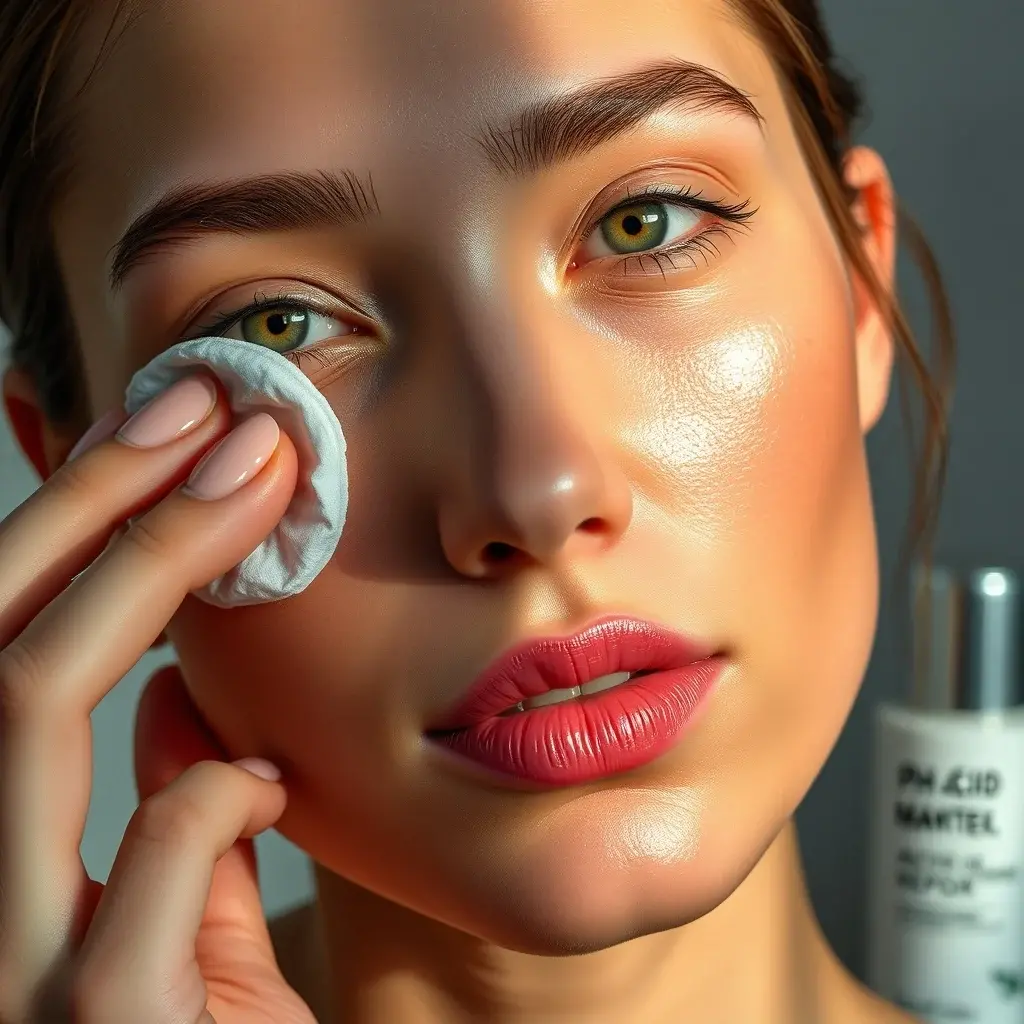
Did you know your skin has a secret language? It’s called pH balance, and it’s the unsung hero behind every glowing complexion. While serums and moisturizers get all the attention, the real magic happens beneath the surface—where the delicate equilibrium of your skin’s acid mantle determines whether you wake up with a radiant glow or a frustrating breakout. If you’ve ever wondered why your favorite beauty and skincare products sometimes fail to deliver, the answer might lie in this invisible force.
The Science Behind Your Skin’s pH Balance
Your skin’s pH level measures how acidic or alkaline it is on a scale from 0 to 14. A neutral pH is 7, but healthy skin typically sits between 4.5 and 5.5—slightly acidic. This natural acidity, known as the acid mantle, acts as a protective barrier against bacteria, pollution, and environmental stressors. When this balance is disrupted, your skin becomes vulnerable to irritation, dryness, and even premature aging.
So, what throws your pH off-kilter? Harsh cleansers, over-exfoliation, and even tap water can strip away your skin’s natural defenses. Even something as simple as using a bar of soap can send your pH soaring into the alkaline range, leaving your skin feeling tight and uncomfortable. The good news? With the right skincare routine, you can restore harmony and unlock your skin’s full potential.
How to Test Your Skin’s pH at Home
Curious where your skin stands? You don’t need a lab to find out. pH testing strips, available at most pharmacies, can give you a quick snapshot of your skin’s current state. Simply press a strip against your cheek or forehead for a few seconds, then compare the color to the provided chart. If your results fall outside the 4.5–5.5 range, it’s time to adjust your beauty regimen.
Another telltale sign of pH imbalance is how your skin feels after cleansing. If it’s tight, flaky, or unusually shiny, your products might be too harsh. On the other hand, persistent breakouts or redness could signal that your skin’s barrier is compromised. Paying attention to these cues is the first step toward healthier, more resilient skin.
Skincare Products That Disrupt (and Restore) pH Balance
Not all skincare products are created equal when it comes to pH. Traditional soaps, for example, often have a pH of 9 or higher, which can wreak havoc on your acid mantle. Similarly, alcohol-based toners and over-exfoliating acids (like glycolic or lactic acid) can tip the scales if used incorrectly. The key is to choose products that respect your skin’s natural pH while gently addressing your concerns.
Look for cleansers labeled “pH-balanced” or “acid mantle-friendly.” These are formulated to cleanse without stripping your skin’s protective barrier. When it comes to exfoliation, opt for gentle acids like mandelic or polyhydroxy acids (PHAs), which provide benefits without causing irritation. And don’t forget the power of a good toner—modern formulas are designed to rebalance pH while delivering hydration and nutrients.
The Role of Hydration in Maintaining pH
Hydration isn’t just about quenching your skin’s thirst—it’s also about maintaining its pH balance. When your skin is dehydrated, its barrier function weakens, making it more susceptible to external aggressors. Incorporating humectants like hyaluronic acid and glycerin into your routine helps draw moisture into the skin, supporting its natural defenses.
But hydration isn’t just about what you put on your skin. Drinking enough water and eating a diet rich in omega-3 fatty acids, antioxidants, and probiotics can also make a difference. Think of it as an inside-out approach to beauty and skincare—nourishing your skin from within while protecting it from the outside.
Building a pH-Balanced Skincare Routine
Creating a routine that supports your skin’s pH doesn’t have to be complicated. Start with a gentle, sulfate-free cleanser to remove impurities without disrupting your acid mantle. Follow up with a pH-balancing toner to prep your skin for the next steps. If you use serums or treatments, apply them while your skin is still slightly damp to enhance absorption.
Moisturizing is non-negotiable, even for oily skin. A lightweight, pH-friendly moisturizer will lock in hydration and reinforce your skin’s barrier. And don’t forget sunscreen—UV exposure can weaken your skin’s defenses, making it more prone to pH imbalances. Opt for a broad-spectrum SPF 30 or higher to shield your skin while keeping its pH in check.
When to See a Professional
If you’ve tried adjusting your routine but still struggle with sensitivity, redness, or breakouts, it might be time to consult a dermatologist. They can perform a professional pH test and recommend targeted treatments, such as barrier-repairing creams or prescription-strength ingredients. Sometimes, the solution lies in addressing underlying issues like rosacea or eczema, which can disrupt your skin’s natural balance.
Remember, beauty and skincare are deeply personal. What works for one person might not work for another, and that’s okay. The goal isn’t perfection—it’s progress. By tuning into your skin’s unique needs and giving it the care it deserves, you’ll not only restore its pH balance but also reveal a complexion that’s healthier, happier, and more radiant than ever.
You may also like
-
The Minimalist’s Guide to Effortless Beauty & Skincare: Simplify for Radiant Skin
-
The Art of Layering: How to Master Beauty & Skincare for a Multi-Dimensional Glow
-
Seasonal Beauty & Skincare: How to Adapt Your Routine for Year-Round Glow
-
The Future of Beauty & Skincare: Innovative Trends and Timeless Rituals for a Luminous Complexion
-
Beauty & Skincare Myths Debunked: What Really Works for Flawless Skin