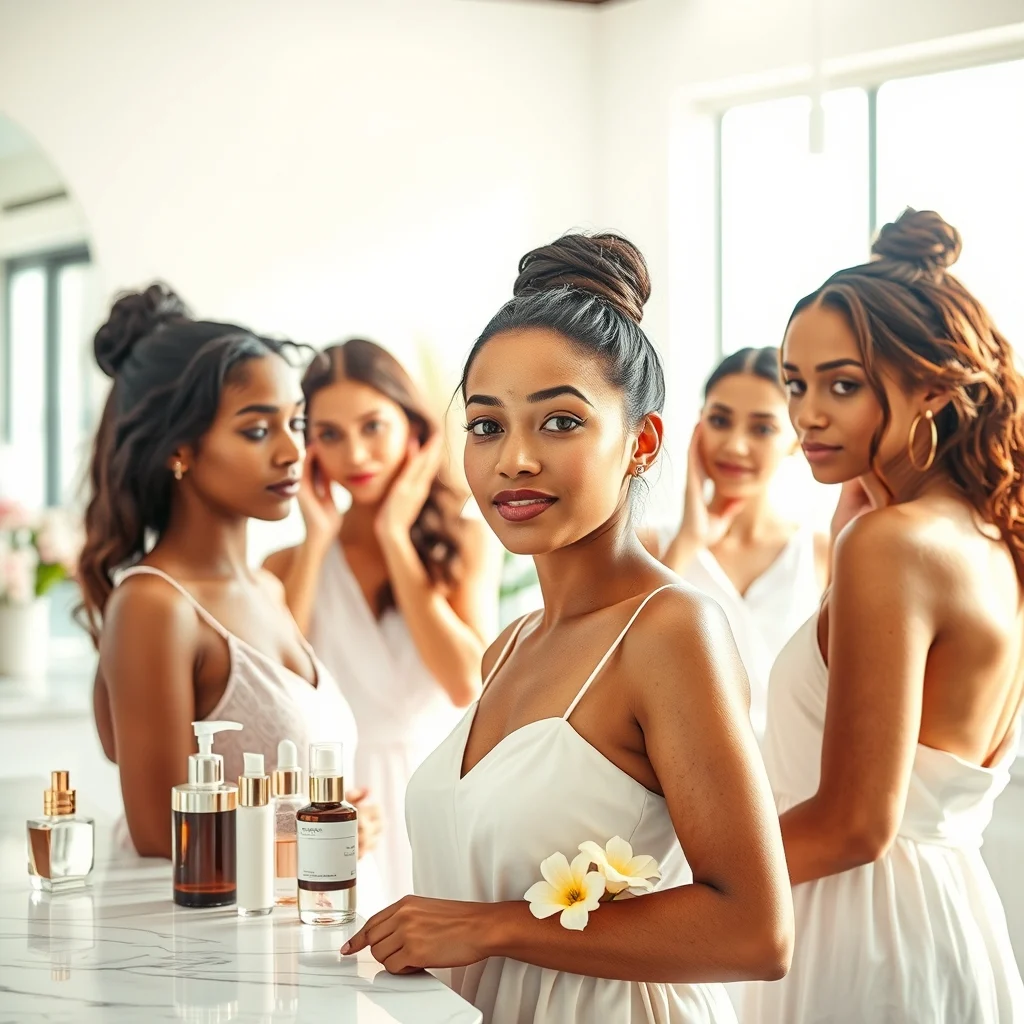
Imagine waking up every morning to skin so radiant, people ask if you’ve just returned from a luxury spa retreat. The truth? Achieving that coveted glow isn’t about expensive treatments or magic potions—it’s about understanding the science of beauty & skincare and committing to a routine that works for your unique skin. Whether you’re battling dryness, oiliness, or the first signs of aging, this guide will unveil the secrets to healthy, luminous skin that turns heads.
The Foundation of Flawless Skin: Understanding Your Skin Type
Before diving into products or treatments, the first step in any effective skincare routine is identifying your skin type. Skin generally falls into five categories: normal, dry, oily, combination, and sensitive. Each type has distinct characteristics and requires tailored care to thrive.
Normal skin is well-balanced, with minimal imperfections and a smooth texture. Dry skin often feels tight, flaky, or rough, especially after cleansing. Oily skin, on the other hand, is prone to shine and breakouts due to excess sebum production. Combination skin features both dry and oily areas, typically with an oily T-zone (forehead, nose, and chin) and drier cheeks. Sensitive skin reacts easily to products or environmental factors, often resulting in redness, itching, or irritation.
To determine your skin type, wash your face with a gentle cleanser and wait an hour without applying any products. Observe how your skin feels and looks. Does it feel tight? Is there visible shine? These clues will help you choose the right products and avoid common pitfalls.
Building a Skincare Routine That Works for You
Once you’ve identified your skin type, it’s time to build a beauty & skincare routine that addresses your specific needs. A basic routine should include three essential steps: cleansing, moisturizing, and sun protection. However, depending on your concerns, you may want to incorporate additional treatments like serums, exfoliants, or masks.
Cleansing: The First Step to Healthy Skin
Cleansing is the cornerstone of any skincare routine. It removes dirt, oil, and impurities that can clog pores and lead to breakouts. For dry or sensitive skin, opt for a hydrating, cream-based cleanser. Oily or acne-prone skin benefits from a gentle foaming or gel cleanser that controls excess oil without stripping the skin.
Avoid harsh soaps or alcohol-based cleansers, as they can disrupt your skin’s natural barrier and cause irritation. Instead, look for products with soothing ingredients like aloe vera, chamomile, or hyaluronic acid. Double cleansing—using an oil-based cleanser followed by a water-based one—is also a game-changer for removing makeup and sunscreen effectively.
Moisturizing: Locking in Hydration
Moisturizing is non-negotiable, even for oily skin. The right moisturizer helps maintain your skin’s moisture barrier, preventing dryness and irritation. For dry skin, choose a rich, emollient cream with ingredients like ceramides or shea butter. Oily skin types should opt for lightweight, oil-free gels or lotions with hyaluronic acid to hydrate without clogging pores.
If you have combination skin, consider using different moisturizers for different areas of your face. For example, a lightweight gel for your T-zone and a richer cream for your cheeks. Don’t forget to apply moisturizer to your neck and décolletage, as these areas are often neglected but show signs of aging just as quickly.
Sun Protection: Your Skin’s Best Defense
Sunscreen is the most important step in any skincare routine, yet it’s often overlooked. UV rays are the primary cause of premature aging, dark spots, and even skin cancer. A broad-spectrum sunscreen with an SPF of at least 30 should be applied every morning, regardless of the weather or season.
For daily wear, opt for a lightweight, non-greasy formula that layers well under makeup. If you spend extended time outdoors, reapply every two hours and consider wearing a wide-brimmed hat for added protection. Mineral sunscreens with zinc oxide or titanium dioxide are ideal for sensitive skin, as they provide physical protection without causing irritation.
Advanced Skincare: Targeting Specific Concerns
While a basic routine lays the foundation, advanced beauty & skincare treatments can address specific concerns like acne, hyperpigmentation, or fine lines. Serums, exfoliants, and masks are powerful tools that deliver targeted results when used correctly.
Serums: Potent Ingredients for Visible Results
Serums are lightweight, fast-absorbing liquids packed with active ingredients like vitamin C, retinol, or niacinamide. Vitamin C is a powerhouse antioxidant that brightens the skin and fades dark spots. Retinol, a derivative of vitamin A, stimulates collagen production and reduces fine lines. Niacinamide, a form of vitamin B3, helps control oil, minimize pores, and soothe inflammation.
When incorporating serums into your routine, start with one active ingredient at a time to avoid overwhelming your skin. Apply serums after cleansing and before moisturizing, allowing them to penetrate deeply for maximum efficacy.
Exfoliation: Renewing Your Skin’s Surface
Exfoliation removes dead skin cells, revealing a smoother, brighter complexion. There are two types of exfoliants: physical and chemical. Physical exfoliants use granules or brushes to manually slough off dead skin, while chemical exfoliants use acids like AHAs (glycolic, lactic) or BHAs (salicylic) to dissolve dead cells.
For most skin types, chemical exfoliants are gentler and more effective. AHAs are ideal for dry or sun-damaged skin, while BHAs are better suited for oily or acne-prone skin. Start with a low concentration and use exfoliants 1-2 times per week to avoid irritation. Always follow with moisturizer and sunscreen, as exfoliation can make your skin more sensitive to the sun.
Masks: A Boost of Hydration or Clarification
Face masks are a great way to give your skin an extra boost of hydration, purification, or brightening. Hydrating masks with ingredients like hyaluronic acid or honey are perfect for dry or dull skin. Clay masks absorb excess oil and unclog pores, making them ideal for oily or acne-prone skin. Sheet masks infused with serums provide an instant glow and are great for a quick pick-me-up before a special event.
Use masks 1-2 times per week, depending on your skin’s needs. Apply them to clean, dry skin and leave on for the recommended time before rinsing or removing. Follow with your regular skincare routine to lock in the benefits.
Lifestyle Habits for Radiant Skin
Great skin isn’t just about what you put on your face—it’s also about how you treat your body. Your diet, hydration, sleep, and stress levels all play a crucial role in your skin’s health. Incorporating healthy habits into your daily life can enhance the results of your beauty & skincare routine and give you that natural glow.
Hydration: Drink Up for Dewy Skin
Water is essential for maintaining your skin’s elasticity and plumpness. Dehydration can lead to dryness, dullness, and even breakouts. Aim to drink at least 8 glasses of water a day, and more if you’re active or live in a hot climate. Herbal teas and water-rich foods like cucumbers, watermelon, and oranges can also contribute to your daily hydration needs.
Nutrition: Feed Your Skin from Within
What you eat directly impacts your skin’s appearance. A diet rich in antioxidants, healthy fats, and vitamins can promote a clear, radiant complexion. Foods like berries, leafy greens, nuts, and fatty fish are packed with nutrients that support skin health. On the other hand, processed foods, sugar, and dairy can trigger inflammation and breakouts in some people.
Consider incorporating supplements like omega-3 fatty acids, collagen peptides, or probiotics into your routine for an extra boost. Always consult with a healthcare professional before starting any new supplement regimen.
Sleep: The Ultimate Beauty Treatment
They don’t call it “beauty sleep” for nothing. During sleep, your skin repairs itself, producing collagen and elastin to keep it firm and youthful. Lack of sleep can lead to dark circles, puffiness, and a dull complexion. Aim for 7-9 hours of quality sleep per night to give your skin the time it needs to regenerate.
Create a bedtime routine that promotes relaxation, such as reading, meditating, or taking a warm bath. Avoid screens before bed, as the blue light can disrupt your sleep cycle. Invest in a silk or satin pillowcase to reduce friction and prevent sleep lines.
Stress Management: Keep Calm and Glow On
Stress is a major culprit behind many skin issues, including acne, eczema, and premature aging. When you’re stressed, your body produces cortisol, a hormone that can increase oil production and inflammation. Finding ways to manage stress is essential for maintaining healthy skin.
Incorporate stress-relieving activities into your daily routine, such as yoga, deep breathing, or journaling. Even a short walk in nature can help clear your mind and reduce stress levels. Remember, self-care isn’t selfish—it’s a necessary part of any skincare routine.
Your journey to glowing skin is a marathon, not a sprint. By understanding your skin’s unique needs and committing to a consistent routine, you’ll see improvements over time. Start with the basics, listen to your skin, and don’t be afraid to experiment with new products or treatments. The key is patience and persistence—because when it comes to beauty & skincare, the results are always worth the effort. Every small step you take today will lead to a more radiant, confident you tomorrow.
You may also like
-
The Intersection of Science, Sustainability, and Efficacy in Pure Root Beauty: A Multidimensional Exploration of Clean Ingredient Sourcing and Environmental Stewardship
-
The Comprehensive Examination of Raw Root Extracts in Skincare: Mechanisms, Market Evolution, and Multidisciplinary Stakeholder Perspectives
-
The Comprehensive Ecosystem of Sustainable Root Skincare: Balancing Scientific Innovation, Ethical Sourcing, and Market Disruption in 2024
-
The Comprehensive Framework of Wellness-Driven Eco Homes: A Multidimensional Analysis of Sustainable Living, Non-Toxic Practices, and Holistic Well-Being
-
Sustainable Fashion: How the Industry is Shifting Toward Eco-Friendly Beauty and Skincare Practices