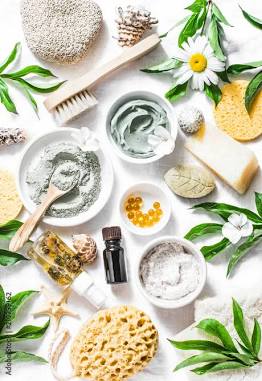
Beauty shoppers often research a product before adding it to a cart: they compare ingredients, look for routines suited to their skin, and ask whether a new serum works with products they already own. As more people use AI-powered search tools to summarize those questions, brands need to make their advice clear enough to be understood and useful enough to deserve attention. Generative Engine Optimisation (GEO) is the practice of structuring trustworthy, relevant information so it has a better chance of informing AI-generated answers. For beauty businesses, that begins with helping people make sound choices—not simply getting a product mentioned.
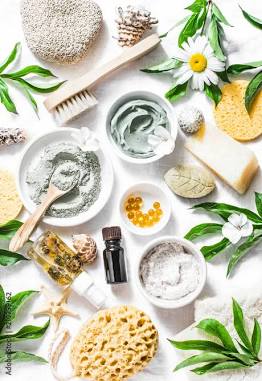
Why AI Search Matters in Beauty
Beauty decisions are personal and often involve uncertainty. A shopper with sensitive skin may want to know how to introduce an active ingredient, while someone choosing foundation may need guidance on undertones, finish, and coverage. AI tools can gather information from multiple pages and present a quick response, but that convenience also makes the quality of the underlying material important. If product details are vague or educational content is hard to interpret, a brand may be less useful to both shoppers and the systems summarizing information for them.
GEO is not a shortcut to guaranteed visibility. No brand can control which sources an AI system uses, and systems differ in how they retrieve and present information. The durable goal is to publish accurate, specific content that answers real questions and is easy for people to verify. That same standard can improve product pages, customer support, and ordinary search results.
Build Around the Questions Shoppers Actually Ask
A topic map organizes related questions around a central subject, making it easier to cover a topic thoroughly without repeating the same broad claims. A beauty brand might build a cluster around retinoids, for example, with separate pages addressing beginner use, common irritation, product layering, and when to seek professional advice. A useful topic map for AI search can help teams identify these connections and spot gaps in their existing guidance.
Start with customer-service emails, product reviews, search queries, and conversations in stores. Turn recurring questions into clear, bounded articles. Avoid trying to make one page answer every possible concern: a focused piece on patch testing is more helpful than a sprawling “ultimate guide” that treats patch testing as one sentence.
- Match content to intent: Separate product comparisons, ingredient explainers, application instructions, and routine advice.
- Use plain language: Define technical terms such as “comedogenic” or “occlusive” instead of assuming every reader knows them.
- Answer directly: State the main point near the start, then explain the reasoning, limits, and practical next steps.
- Connect related pages: Guide readers from an ingredient overview to relevant product instructions without forcing a purchase.
Make Product Information Specific and Responsible
Product descriptions should help shoppers decide whether an item fits their needs. Include the full ingredient list, texture, intended use, and directions, as well as relevant cautions. If a product contains fragrance or potent actives, say so plainly. Claims such as “clean,” “gentle,” or “for all skin types” can sound reassuring but offer little guidance without context.
Educational content should also distinguish cosmetic information from medical advice. A brand can explain how to use its product and describe the evidence behind an ingredient, but it should not promise to treat a skin condition without the appropriate basis and regulatory standing. Explain who may want to proceed cautiously, what a product has not been shown to do, and when a reader should consult a qualified clinician. Honest limits make advice more useful, not less persuasive.
Keep Content Easy to Check and Maintain
AI systems can summarize a page incorrectly, so write in a way that reduces ambiguity. Use descriptive headings, short paragraphs, and consistent names for ingredients and products. Put instructions in the order a shopper will use them. If a claim depends on a study, describe what was studied and avoid stretching a narrow result into a universal promise.
Review pages when formulas, packaging, or instructions change. Give articles a visible update date where appropriate, and assign someone responsibility for checking product claims and links. This matters especially for shade ranges, discontinued items, and routine advice that depends on the exact formulation. A stale article can confuse a customer even if it once offered sound guidance.
Use Freelancers Without Losing Editorial Oversight
Small beauty businesses may not have in-house writers, designers, and technical specialists. Freelancers can help with ingredient explainers, photography, product-page organization, or website improvements, but a clear brief and review process remain essential. Provide approved product facts, the intended audience, sources the writer may rely on, and claims that must not be made. Have a knowledgeable person review the finished work before publication.
When planning outside help, it can be useful to understand common hiring pitfalls, including vague deliverables, weak communication, and unclear revision expectations. Osdire’s overview of freelancer hiring mistakes offers a practical prompt for setting expectations before a project begins. The platform covers many service categories, so buyers should compare a freelancer’s relevant experience and agree on scope, deadlines, and approval steps rather than choosing on price alone.
Measure Usefulness, Not Just Mentions
Track the signals that reflect whether content is helping: visits to educational pages, time spent with instructions, customer questions that a page could resolve, and movement from guidance to relevant product information. AI-generated answers are difficult to measure consistently, and a single mention is not proof of lasting visibility. Review how shoppers arrive, what they read, and where they still seem uncertain.
For beauty brands, GEO is best treated as an extension of good consumer communication. A well-organized library of careful, specific answers can support discovery while giving shoppers more control over their choices. The strongest result is not merely appearing in a generated response; it is helping someone understand a product well enough to decide whether it belongs in their routine.
You may also like
-
The Intersection of Science, Sustainability, and Efficacy in Pure Root Beauty: A Multidimensional Exploration of Clean Ingredient Sourcing and Environmental Stewardship
-
The Comprehensive Examination of Raw Root Extracts in Skincare: Mechanisms, Market Evolution, and Multidisciplinary Stakeholder Perspectives
-
The Comprehensive Ecosystem of Sustainable Root Skincare: Balancing Scientific Innovation, Ethical Sourcing, and Market Disruption in 2024
-
The Comprehensive Framework of Wellness-Driven Eco Homes: A Multidimensional Analysis of Sustainable Living, Non-Toxic Practices, and Holistic Well-Being
-
Sustainable Fashion: How the Industry is Shifting Toward Eco-Friendly Beauty and Skincare Practices