Ever wonder how to transition into a world of skincare that’s as gentle on your skin as it is on the planet? The rise of clean beauty has made it easier than ever to ditch harsh chemicals and embrace formulations that prioritize safety and efficacy. Whether you’re new to the concept or simply looking to refine your routine, understanding how to navigate clean beauty product reviews can feel overwhelming—but it doesn’t have to be.
This step-by-step guide will walk you through everything you need to know to build a clean beauty routine tailored to your skin’s unique needs. From decoding ingredient labels to selecting the right products for your skin type, we’ll break it down into simple, actionable steps. By the end, you’ll feel confident in your choices and excited to see the results.
Why Start with Clean Beauty Product Reviews?
Clean beauty isn’t just a trend; it’s a shift toward transparency and intentionality in skincare. Unlike conventional products that often contain synthetic fragrances, parabens, or sulfates, clean beauty focuses on ingredients that are free from harmful additives while still delivering visible results. The best part? You don’t have to sacrifice performance for purity. Many clean beauty products are formulated with plant-based, mineral-based, or lab-created alternatives that work just as effectively—if not better—than their traditional counterparts.
Beginner-friendly clean beauty product reviews can feel like a maze at first, but focusing on a few key principles will simplify the process. Look for products with simplified ingredient lists, third-party certifications like EWG Verified or Leaping Bunny, and those that avoid common irritants. Start by identifying your skin’s primary concerns—whether it’s hydration, brightening, or calming—and prioritize products that address those needs without overcomplicating your routine.
Before diving into specific recommendations, it’s worth noting that clean beauty isn’t one-size-fits-all. What works for one person might not suit another, so patience and experimentation are key. The goal isn’t perfection but progress, and a well-researched clean beauty routine can help you achieve healthier, happier skin without compromising on ethics or effectiveness.
Step 1: Assess Your Skin Type and Concerns
Every clean beauty routine begins with a clear understanding of your skin’s unique characteristics. Are you dealing with dryness, oiliness, sensitivity, or a combination of these? Your skin type will dictate which products to prioritize and how to layer them for maximum benefit. For example, oily skin may benefit from lightweight, oil-free cleansers and mattifying serums, while dry skin might need richer moisturizers and hydrating acids like lactic or mandelic.
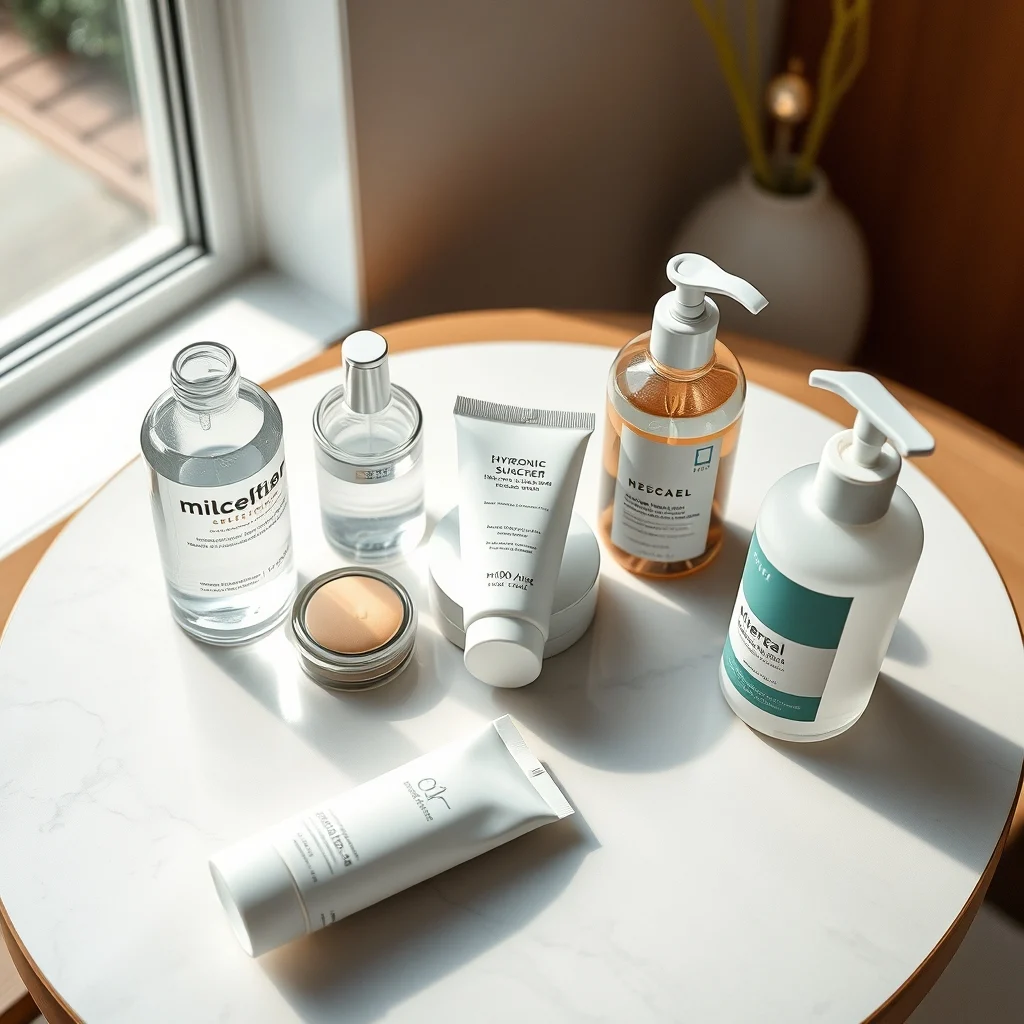
Take note of any specific concerns you’d like to address, such as acne, hyperpigmentation, or fine lines. These will guide your product choices. If you’re unsure about your skin type, a simple patch test with a few clean beauty products can help you identify what works best. For instance, a gentle micellar water or a hydrating gel cleanser can be a great starting point for most skin types, offering a low-commitment way to explore clean alternatives.
Once you’ve pinpointed your skin’s needs, you can begin curating a routine that feels tailored and effective. Remember, clean beauty isn’t about using the most expensive products—it’s about choosing what aligns with your skin’s health and your personal values. For more insights on skin health, you can explore resources like those from the American Academy of Dermatology.
Step 2: Decode Ingredient Labels Like a Pro
One of the biggest challenges when reviewing clean beauty products is understanding what’s actually in them. Ingredient labels can be cryptic, with long lists of unfamiliar terms that might sound safe but aren’t always. The key is to focus on what’s *not* in the product as much as what is. Avoid synthetic fragrances, phthalates, formaldehyde-releasing preservatives, and other known irritants or allergens.
Clean beauty brands often highlight their ingredient transparency, but it’s still wise to double-check. Look for certifications that align with your values, such as those from the FDA or independent organizations like EWG (Environmental Working Group). These can serve as a quick reference to ensure a product meets your standards for safety and ethical sourcing. For instance, a product labeled “EWG Verified” has been vetted for its ingredient safety, making it a reliable choice for beginners.
When in doubt, lean toward products with shorter ingredient lists and those that use natural or synthetic alternatives that are well-researched and proven effective. Ingredients like hyaluronic acid, niacinamide, and squalane are excellent examples of clean, science-backed actives that deliver results without compromising safety. Taking the time to learn these basics will empower you to make smarter choices every time you shop.
Step 3: Build a Minimalist Routine for Optimal Results
Less can truly be more when it comes to clean beauty. Overloading your routine with too many products can lead to irritation, clogged pores, or even breakouts—especially if you’re new to the space. Start with the basics: a gentle cleanser, a hydrating serum or essence, and a lightweight moisturizer. These three steps form the foundation of a clean, effective routine that works for most skin types.
If you’re dealing with specific concerns like acne or aging, consider adding one targeted treatment at a time. For example, a niacinamide serum can help with redness and oil control, while a peptide-based treatment can support collagen production. The key is to introduce new products slowly and monitor how your skin reacts. This approach ensures you’re not overwhelming your skin while still addressing its needs.
Another tip is to stick to a consistent routine—morning and night. Clean beauty isn’t about quick fixes; it’s about nurturing your skin over time. By keeping your routine simple and focused, you’ll avoid the guesswork and frustration that often come with trying too many products at once. Over time, you can gradually expand your regimen as you become more comfortable with clean beauty principles.
Step 4: Choose the Right Products for Your Skin
With so many clean beauty products on the market, it’s easy to feel overwhelmed. To narrow down your options, focus on products that align with your skin type and concerns. For example, if you have dry or sensitive skin, look for hydrating, fragrance-free cleansers and soothing moisturizers with ingredients like aloe vera or chamomile. These can help calm irritation and restore your skin’s natural barrier.
For oily or acne-prone skin, opt for oil-free, non-comedogenic products that won’t clog pores. Ingredients like tea tree oil, zinc, or salicylic acid (when used in clean formulations) can help regulate oil production and prevent breakouts. Always patch-test new products to ensure they suit your skin before committing to a full-size purchase.
Don’t forget about sunscreen—it’s a non-negotiable step in any skincare routine, clean or otherwise. Choose a mineral-based option with zinc oxide or titanium dioxide for broad-spectrum protection without harsh chemicals. Clean sunscreens are widely available and just as effective as traditional ones, so there’s no excuse to skip this essential step.
Step 5: Maintain Consistency and Adjust as Needed
Clean beauty is a journey, not a destination. The products you love today might not work as well in a few months, and that’s okay. Your skin’s needs can evolve over time due to factors like aging, weather changes, or lifestyle shifts. The most successful routines are those that adapt to these changes while staying true to the principles of clean, gentle care.
Regularly reassess your routine to ensure it’s still meeting your skin’s needs. If you notice new concerns like dullness or texture issues, it might be time to introduce a new product or adjust your current one. For example, adding a gentle exfoliant like a PHA (polyhydroxy acid) can help brighten your complexion without irritation. Listen to your skin—it’s the best indicator of what’s working and what’s not.
Finally, remember that clean beauty is about more than just the products you use. It’s about mindful choices, sustainability, and a deeper connection to your skin’s health. By staying consistent and open to adjustments, you’ll create a routine that not only looks good but feels good too—inside and out.
Ready to take the first step? Start small, stay curious, and let your skin guide you. The clean beauty journey is all about discovering what works best for *you*—and that’s something to be excited about.
You may also like
-
Clean Beauty Product Reviews: A Barrier-First Approach for Healthier Skin
-
Clean Beauty Reviews: A Barrier-First Approach for Healthier Skin
-
Clean Beauty Product Reviews: A Beginner’s Step-by-Step Guide
-
Clean Beauty Reviews for Busy People: Quick & Effective Routines
-
Clean Beauty Product Reviews: A Beginner’s Guide to Safe & Effective Skincare Routines