In 2024, the adoption of natural living daily rituals has evolved from a niche preference to a mainstream lifestyle choice, driven by growing consumer awareness of environmental sustainability, health impacts, and ethical consumption. This shift encompasses households across urban, suburban, and rural settings, with a particular concentration in North America and Western Europe, where regulatory frameworks and market availability favor non-toxic and eco-conscious products. The movement is characterized by the integration of plant-based cleaning agents, organic household essentials, and wellness-driven routines that prioritize both personal health and planetary well-being. Industry reports indicate that the global market for natural household products reached $42.6 billion in 2023, with a projected compound annual growth rate (CAGR) of 6.8% through 2030, according to data from Grand View Research. The driving forces behind this trend include heightened concerns over indoor air quality, the long-term effects of synthetic chemicals, and the alignment of consumer values with corporate sustainability initiatives.
The Scope, Historical Context, and Key Stakeholders
The concept of natural living daily rituals extends beyond individual behaviors to encompass systemic changes in manufacturing, retail, and policy. Historically, the modern clean living movement traces its roots to the 1960s and 1970s, when environmental activism and public health advocacy began challenging the unchecked use of industrial chemicals in consumer products. The publication of Rachel Carson’s Silent Spring in 1962 served as a catalyst, exposing the ecological and health risks of pesticides like DDT. By the 1990s, the rise of organic farming and the establishment of certification bodies such as the USDA Organic label provided a framework for consumers seeking transparency in product sourcing. Today, the movement is shaped by a diverse array of stakeholders, including regulatory agencies like the U.S. Environmental Protection Agency (EPA) and the European Chemicals Agency (ECHA), non-governmental organizations such as the Environmental Working Group (EWG), and a burgeoning industry of small and large-scale brands specializing in non-toxic household products.
Chronological Evolution of Natural Living Rituals
- 1962: Publication of Silent Spring by Rachel Carson, marking the beginning of modern environmental health advocacy.
- 1970: Establishment of the U.S. Environmental Protection Agency (EPA), tasked with regulating hazardous substances in consumer products.
- 1990: Enactment of the U.S. Organic Foods Production Act, laying the groundwork for the USDA Organic certification program.
- 2007: Launch of the Environmental Working Group’s (EWG) Guide to Healthy Cleaning, providing consumers with ratings for over 2,500 household products based on ingredient safety.
- 2016: The Frank R. Lautenberg Chemical Safety for the 21st Century Act reforms the Toxic Substances Control Act (TSCA), granting the EPA greater authority to evaluate and regulate chemicals in consumer products.
- 2020: The COVID-19 pandemic accelerates demand for natural cleaning products, with sales of eco-friendly household cleaners increasing by 25% in the U.S., per NielsenIQ data.
- 2023: The European Union’s Chemicals Strategy for Sustainability introduces stricter regulations on hazardous substances, including a ban on over 12,000 chemicals in consumer products by 2030.
Operational Mechanics of Natural Living Daily Rituals
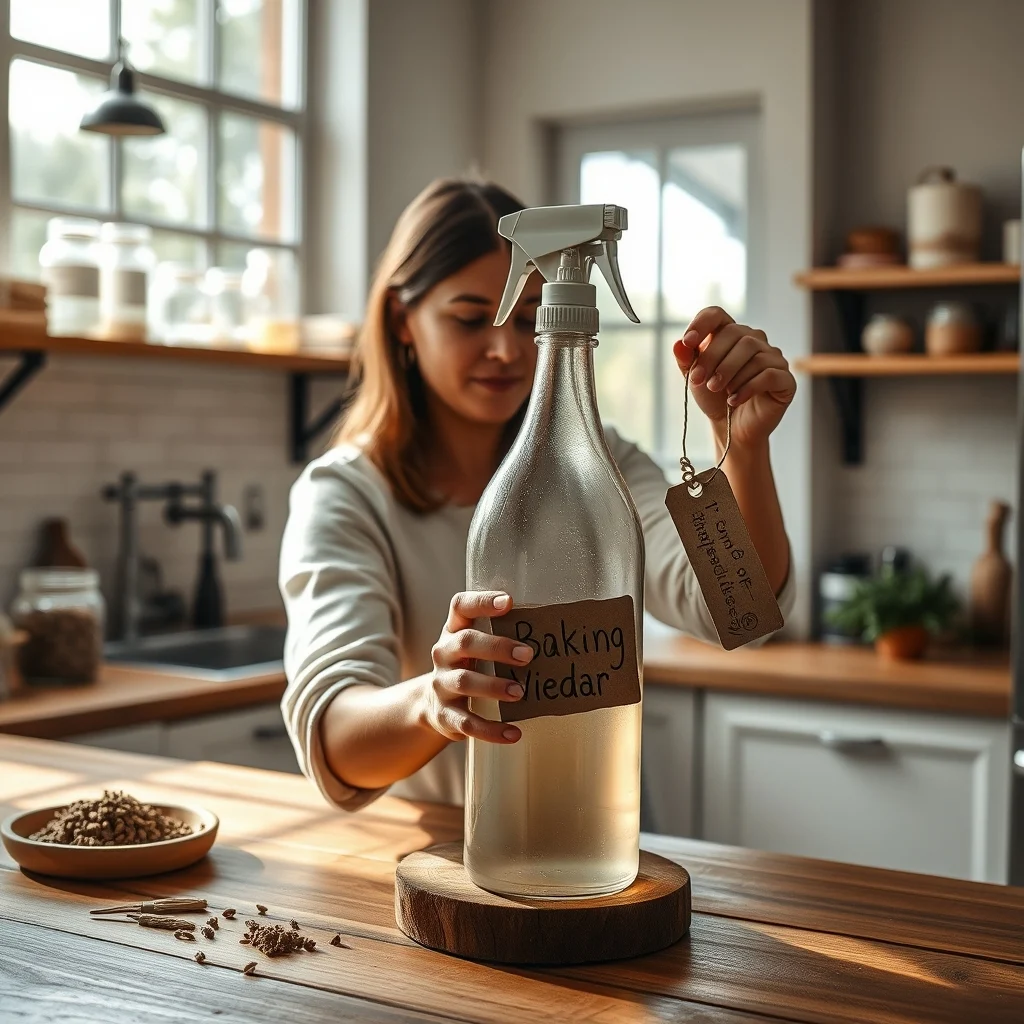
Natural living daily rituals are structured around three core principles: ingredient transparency, minimal environmental impact, and health-centric functionality. Households adopting these practices typically replace conventional cleaning products, air fresheners, and personal care items with alternatives derived from plant-based or biodegradable sources. For example, vinegar, baking soda, and castile soap are commonly used as multi-purpose cleaners, while essential oils like eucalyptus and tea tree serve as natural disinfectants. The operational mechanics also extend to purchasing behaviors, with consumers favoring products that carry third-party certifications such as EWG Verified, Cradle to Cradle, or Leaping Bunny. Retailers have responded by expanding their offerings of non-toxic products, with major chains like Target and Walmart launching dedicated clean living sections in-store and online.
Dr. Sarah Evans, an environmental health scientist at Mount Sinai’s Icahn School of Medicine, notes, “The shift toward natural living rituals is not merely about swapping products but about redefining the relationship between consumers and their environments. Studies have shown that reducing exposure to endocrine-disrupting chemicals, such as phthalates and parabens, can have measurable impacts on long-term health outcomes, particularly for vulnerable populations like children and pregnant women.”
Quantitative Data Analysis: Market Trends and Consumer Behavior
The following table highlights key market trends and consumer behaviors driving the adoption of natural living daily rituals:
| Metric | 2020 | 2023 | Projected 2025 | Source |
|---|---|---|---|---|
| Global market size for natural household products (USD billion) | 32.1 | 42.6 | 50.3 | Grand View Research |
| Percentage of U.S. consumers prioritizing non-toxic products | 45% | 62% | 70% | NielsenIQ |
| Annual growth rate of plant-based cleaning products (CAGR) | 5.2% | 6.8% | 7.1% | Statista |
| Number of EWG Verified products available in the U.S. | 1,200 | 2,800 | 4,500 | Environmental Working Group |
| Reduction in indoor VOC levels after switching to natural products (average) | 30% | 45% | 55% | American Lung Association |
Systemic Impacts: Health, Environment, and Economy
The adoption of natural living daily rituals has far-reaching implications across health, environmental, and economic domains. From a health perspective, reducing exposure to synthetic chemicals has been linked to lower incidences of respiratory conditions, skin irritations, and hormonal disruptions. A 2022 study published in the Journal of Exposure Science & Environmental Epidemiology found that households using natural cleaning products experienced a 35% reduction in indoor volatile organic compound (VOC) levels, which are associated with asthma and other chronic respiratory diseases. Environmentally, the shift toward biodegradable and plant-based products reduces water pollution and plastic waste. For instance, conventional cleaning products contribute to an estimated 8 million tons of plastic packaging waste annually in the U.S. alone, per data from the EPA. Economically, the growth of the natural products market has spurred job creation in sectors such as sustainable agriculture, green chemistry, and eco-friendly manufacturing.
However, the transition is not without challenges. Critics argue that the higher cost of natural products—often 20-50% more expensive than conventional alternatives—creates a barrier to widespread adoption, particularly for low-income households. Maria Rodriguez, a policy analyst at the Natural Resources Defense Council (NRDC), states, “While the benefits of natural living rituals are well-documented, accessibility remains a critical issue. Policymakers must address affordability through subsidies, tax incentives, or expanded access to community-based programs that provide non-toxic products to underserved populations.”
Competing Stakeholder Perspectives
The natural living movement is shaped by diverse and often conflicting stakeholder perspectives. Industry leaders emphasize the role of innovation in driving market growth. Tom Szaky, CEO of TerraCycle, a company specializing in recycling and upcycling, asserts, “The future of natural living lies in circular economy models that eliminate waste entirely. Brands that prioritize refillable packaging, biodegradable materials, and closed-loop systems will lead the next phase of this movement.”
Conversely, consumer advocacy groups caution against greenwashing, where companies mislead consumers with vague or unsubstantiated claims about product sustainability. The EWG’s 2023 report on household cleaners found that 30% of products marketed as “green” or “natural” contained ingredients flagged for potential health risks. Lisa Y. Lefferts, a senior scientist at the Center for Science in the Public Interest, warns, “Regulatory gaps allow companies to exploit consumer trust. Without standardized definitions for terms like ‘non-toxic’ or ‘eco-friendly,’ shoppers are left navigating a minefield of misleading labels.”
Regulatory bodies, meanwhile, are grappling with the pace of market expansion. The EPA’s Safer Choice program, which certifies products meeting strict safety criteria, has seen a 40% increase in applications since 2020. However, the agency’s limited resources constrain its ability to evaluate all submissions promptly. An EPA spokesperson notes, “Our priority is to ensure that products bearing the Safer Choice label meet the highest standards of safety and sustainability. We are working to streamline the certification process while maintaining rigorous oversight.”
The trajectory of natural living daily rituals will be influenced by a confluence of factors, including advancements in green chemistry, shifts in consumer behavior, and evolving regulatory landscapes. Upcoming milestones include the EU’s 2025 deadline for phasing out microplastics in consumer products and the U.S. EPA’s ongoing review of 10 high-priority chemicals under the reformed TSCA. Market analysts predict that the next frontier will involve the integration of smart technology, such as IoT-enabled air quality monitors and AI-driven product recommendation systems, to further personalize and optimize natural living practices. As these developments unfold, the movement’s ability to balance accessibility, efficacy, and environmental stewardship will determine its long-term viability and impact.
You may also like
-
The Intersection of Science, Sustainability, and Efficacy in Pure Root Beauty: A Multidimensional Exploration of Clean Ingredient Sourcing and Environmental Stewardship
-
The Comprehensive Examination of Raw Root Extracts in Skincare: Mechanisms, Market Evolution, and Multidisciplinary Stakeholder Perspectives
-
The Comprehensive Ecosystem of Sustainable Root Skincare: Balancing Scientific Innovation, Ethical Sourcing, and Market Disruption in 2024
-
The Comprehensive Framework of Wellness-Driven Eco Homes: A Multidimensional Analysis of Sustainable Living, Non-Toxic Practices, and Holistic Well-Being
-
Sustainable Fashion: How the Industry is Shifting Toward Eco-Friendly Beauty and Skincare Practices