Tired of skincare routines that leave your skin feeling stripped, irritated, or worse than before? The key to truly healthy, radiant skin isn’t about slathering on more products—it’s about nurturing your skin’s natural defenses. A **clean beauty routine** rooted in a barrier-first approach focuses on strengthening your skin’s protective layer while avoiding harsh chemicals that disrupt its balance. Whether you’re new to clean beauty or looking to refine your current regimen, this guide will help you build a simple yet effective routine that prioritizes your skin’s long-term health.
Many people assume that a clean beauty routine means using only natural ingredients, but the true essence lies in protecting and repairing your skin’s moisture barrier. This barrier is your skin’s first line of defense against environmental stressors, pollution, and bacteria. When it’s compromised, your skin becomes more susceptible to irritation, dryness, and even premature aging. By focusing on ingredients that support and restore this barrier, you’re setting the foundation for a healthier, more resilient complexion.
Understanding the Skin Barrier: What It Is and Why It Matters
The skin barrier, also known as the stratum corneum, acts like a protective shield on the outermost layer of your skin. It’s made up of lipids, proteins, and natural moisturizing factors that work together to lock in moisture and keep out external irritants. When this barrier is healthy, your skin appears plump, smooth, and naturally radiant. However, factors like over-exfoliation, harsh cleansers, or environmental damage can weaken it, leading to redness, tightness, or even breakouts.
A barrier-first approach means prioritizing products and practices that repair and strengthen this layer. This doesn’t mean avoiding all actives—it means using them wisely and balancing them with hydrating, soothing ingredients. For example, while acids like glycolic or lactic acid can exfoliate and brighten, they should be used sparingly and always followed by a rich moisturizer to prevent over-drying.
If you’re new to clean beauty, start by identifying products that contain barrier-supporting ingredients like ceramides, cholesterol, fatty acids, and hyaluronic acid. These components help restore and maintain the skin’s natural lipid barrier, making it more resilient over time.
Building Your Clean Beauty Routine: Step-by-Step
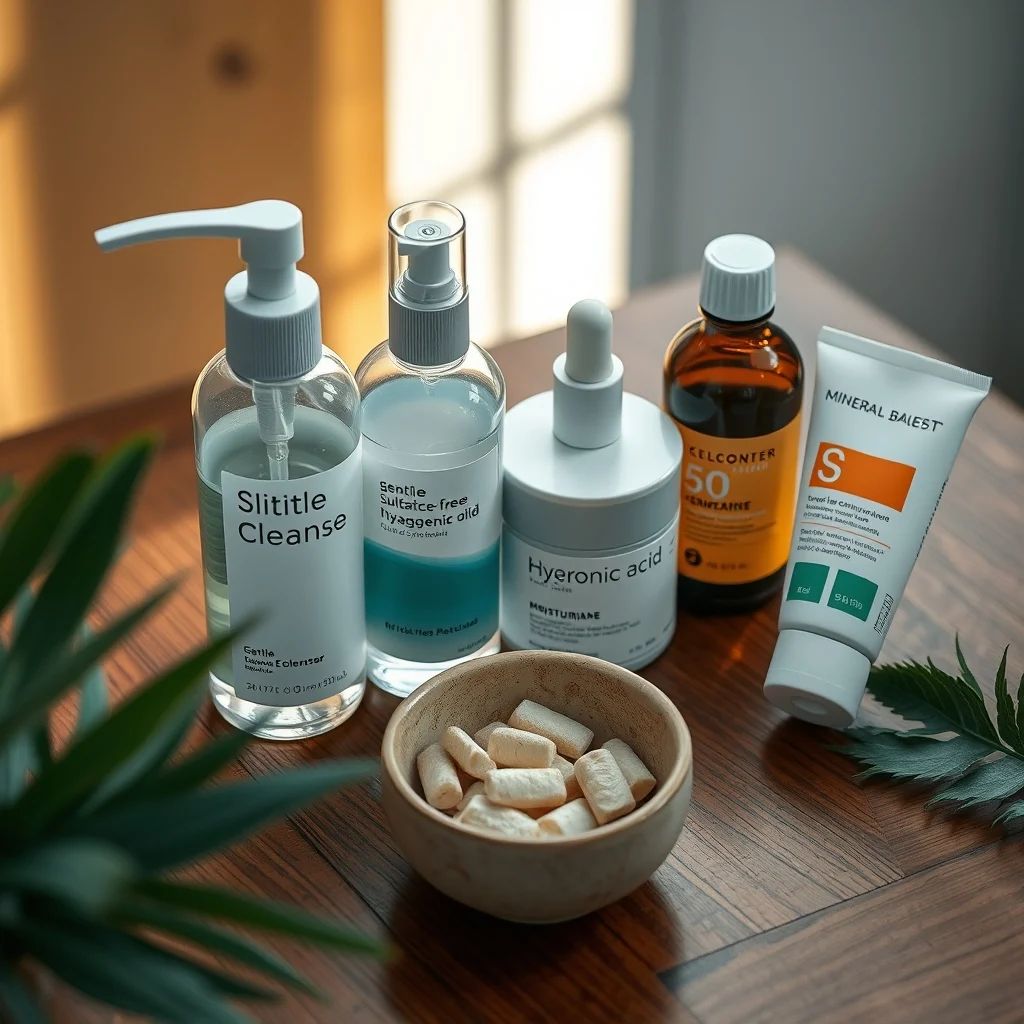
Creating a clean beauty routine doesn’t have to be complicated. The goal is to simplify while ensuring your skin gets the care it needs. Begin with a gentle cleanser that removes dirt and impurities without stripping your skin of its natural oils. Look for cleansers with mild surfactants like decyl glucoside or coconut-derived cleansers, which are less likely to disrupt the barrier.
After cleansing, follow up with a hydrating toner or essence. These products help prep your skin to absorb subsequent treatments while providing an extra layer of hydration. Ingredients like rose water, aloe vera, or glycerin are excellent choices for toners, as they soothe and hydrate without alcohol or harsh additives. For those with sensitive skin, opt for fragrance-free and alcohol-free options to minimize irritation.
Next, consider incorporating a serum or treatment that targets specific concerns. If your focus is on barrier repair, look for serums containing peptides, niacinamide, or panthenol. These ingredients help strengthen the skin’s protective layer while addressing issues like redness or uneven texture. Apply your serum to damp skin to enhance absorption and lock in moisture.
Moisturizing is non-negotiable in a clean beauty routine. Choose a moisturizer that aligns with your skin type—whether it’s a lightweight gel for oily skin or a richer cream for dry skin. Ceramide-based moisturizers are particularly effective for repairing the barrier, as they mimic the skin’s natural lipids. Don’t skip this step, even if your skin feels oily; hydration is key to maintaining a healthy barrier.
Common Mistakes to Avoid in Clean Beauty
While clean beauty emphasizes gentle, nourishing ingredients, there are still pitfalls to avoid. One of the most common mistakes is over-exfoliating, whether with physical scrubs or chemical exfoliants. Overdoing it can weaken the skin barrier, leading to sensitivity and breakouts. If you use exfoliants, limit them to 1–2 times per week and always follow up with a hydrating treatment.
Another mistake is neglecting sun protection. Even with a clean beauty routine, UV damage can compromise your skin barrier and accelerate aging. Always use a broad-spectrum sunscreen with clean, non-nano zinc oxide or titanium dioxide as your active ingredients. Reapply every two hours if you’re spending extended time outdoors.
Lastly, avoid the temptation to overcomplicate your routine. More products don’t equal better results. Stick to a few key steps—cleanse, hydrate, treat, and protect—and focus on consistency. Your skin will thank you with a healthier, more balanced appearance over time.
Clean Beauty Ingredients That Actually Work
Not all clean beauty ingredients are created equal. Some are highly effective at repairing the skin barrier, while others provide minimal benefits. Ceramides, as mentioned earlier, are among the most potent for barrier repair. They help restore the skin’s natural lipid layer, reducing moisture loss and improving resilience.
Niacinamide, a form of vitamin B3, is another powerhouse ingredient. It strengthens the skin barrier, reduces redness, and even helps with acne management. It’s versatile enough to be used in cleansers, serums, or moisturizers, making it a staple in many clean beauty routines.
Hyaluronic acid is excellent for hydration, as it can hold up to 1,000 times its weight in water. This makes it ideal for plumping dry skin and improving its texture. Pair it with ceramides or fatty acids for even better barrier support.
For those looking to address specific concerns like hyperpigmentation or texture, consider incorporating ingredients like licorice root extract or azelaic acid. These are gentler alternatives to stronger actives and still effective for improving skin tone and clarity.
Transitioning to a Clean Beauty Routine: Tips for Success
Switching to a clean beauty routine doesn’t happen overnight. If you’ve been using conventional products, your skin may need time to adjust. Start by gradually replacing one product at a time to avoid overwhelming your skin. For example, swap your regular cleanser for a clean alternative first, then introduce a new moisturizer, and so on.
Listen to your skin as you make the transition. If you notice increased irritation or dryness, it may be a sign that your skin needs more time to adapt. In such cases, focus on hydration and barrier repair with gentle products until your skin balances out.
Finally, be patient. Skin health is a journey, not a quick fix. It may take several weeks to see noticeable improvements, especially if your skin barrier has been compromised for a long time. Consistency is key—stick with your routine and trust the process.
Your skin’s health is the foundation of any effective beauty routine. By adopting a barrier-first approach, you’re not just avoiding harmful ingredients—you’re actively nurturing your skin to thrive. Start small, stay consistent, and let your skin’s natural radiance shine through. With the right clean beauty routine, you’ll be well on your way to a healthier, more resilient complexion.
You may also like
-
Clean Beauty Routines: A Beginner’s Step-by-Step Guide to Glowing Skin
-
Clean Beauty Routines: A Beginner’s Step-by-Step Guide to Glowing Skin
-
Clean Beauty Routines: A Barrier-First Approach for Lasting Skin Health
-
Clean Beauty Routines: A Beginner’s Step-by-Step Guide to Glowing Skin
-
Clean Beauty Routines: A Barrier-First Approach for Lasting Skin Health