Confused About Peptides and Regenerative Actives? Here’s What You Need to Know
Ever scrolled through skincare product labels and felt overwhelmed by terms like peptides and regenerative actives? You’re not alone. The beauty industry often markets these ingredients as miracle workers, but the reality can be a lot more nuanced. Whether you’re exploring clean vs. conventional beauty or simply trying to decode what’s truly effective for your skin, understanding these ingredients is key—especially if you’re considering a shift toward cleaner formulations. Let’s break down what these terms mean, how they differ, and why some products might not live up to the hype.
Many people assume that because a product contains peptides or regenerative actives, it must be a game-changer for their skin. However, the truth is more layered. These ingredients are often used in both clean beauty and conventional skincare, but their delivery, concentration, and compatibility with your skin type can vary dramatically. Before diving into a new routine, it’s worth taking a closer look at how these ingredients are formulated and whether they align with your goals.
If you’ve ever wondered why some products promise anti-aging results but deliver minimal impact, or why others seem to work wonders for your friend but not for you, the answer might lie in the ingredients—and how they’re integrated into the formula. Let’s explore how peptides and regenerative actives fit into the conversation around clean vs. conventional beauty, and what you should consider before adding them to your routine.
Peptides: The Building Blocks of Skin Repair
Peptides are short chains of amino acids that play a critical role in skin health. They’re often touted for their ability to support collagen production, improve skin elasticity, and promote wound healing. In clean beauty, peptides are frequently highlighted as a safer, more natural alternative to harsher synthetic ingredients found in conventional products. But not all peptides are created equal. Some formulations contain synthetic peptides that may still include questionable additives, while others use naturally derived peptides that align with clean beauty standards.
The key is to look for peptides that are part of a minimalist, non-irritating formula. For example, copper peptides are a popular choice because they’re known for their anti-inflammatory and skin-repairing properties. However, even these can be diluted or combined with other ingredients that might compromise their effectiveness. Always check the ingredient list to ensure the peptide is listed early in the formula, indicating a higher concentration.
If you’re new to peptides, start with a gentle serum or moisturizer that includes them as a secondary ingredient. Overloading your skin with multiple actives at once can lead to irritation, especially if your skin is sensitive or reactive. Patience is key—peptides work best when used consistently over time, rather than as a quick fix.
Regenerative Actives: Beyond the Buzzwords
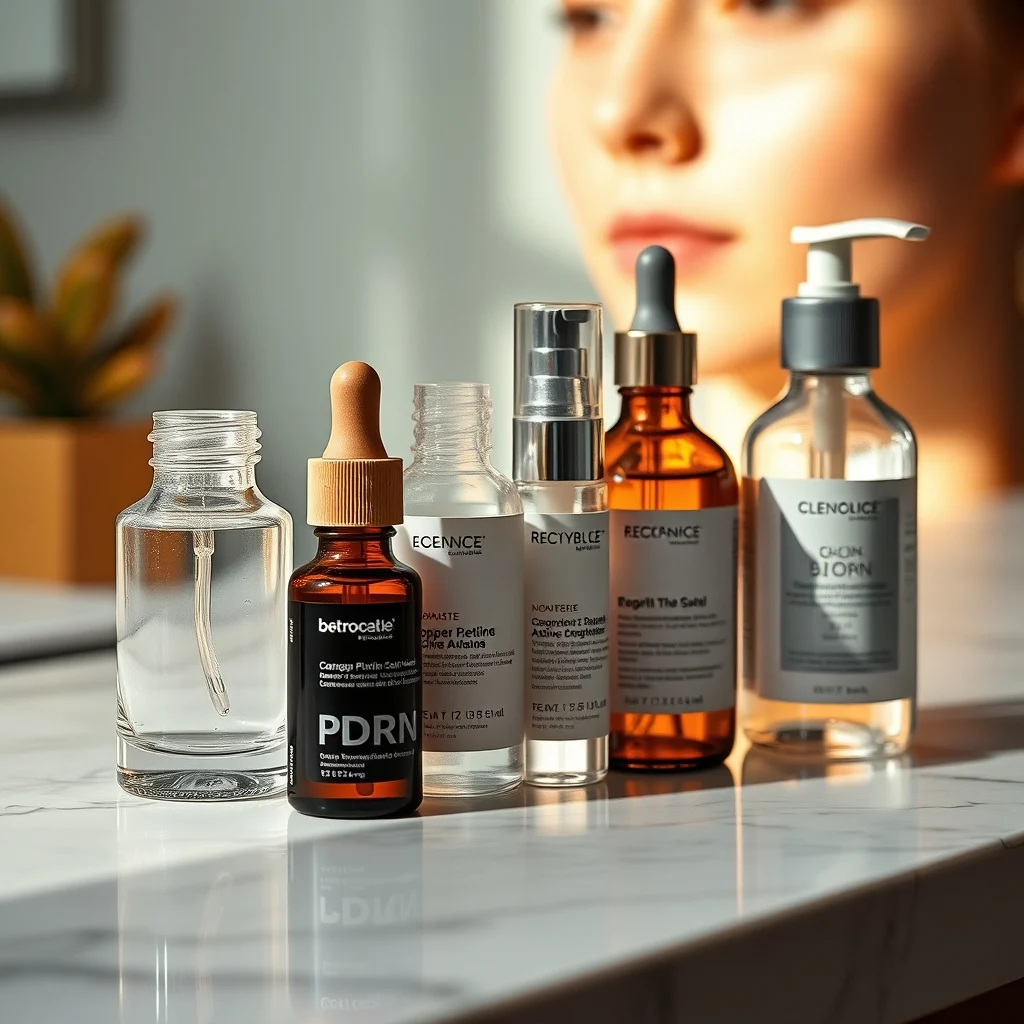
Regenerative actives, such as PDRN (Polideoxyribonucleotide) and other biotech ingredients, are designed to stimulate your skin’s natural repair processes. These ingredients are often marketed as the next big thing in anti-aging, promising to reduce fine lines, improve texture, and even treat scars. While they sound impressive, their effectiveness can be hard to gauge without proper research. In clean vs. conventional beauty, regenerative actives are sometimes positioned as a bridge between natural and high-tech skincare.
The challenge with regenerative actives is that they’re not yet as widely regulated as other skincare ingredients. This means that some products may contain these actives in very low concentrations, making their benefits negligible. Others might include them alongside irritants or comedogenic ingredients, which could counteract their positive effects. If you’re considering a product with regenerative actives, look for those that are backed by clinical studies (when available) and prioritize formulations that are free from harsh chemicals or fillers.
A common mistake is assuming that a higher price tag means better results. Some regenerative actives are indeed expensive to develop and formulate, but that doesn’t guarantee they’ll work for everyone. Your skin type, age, and overall skincare routine play a significant role in how these ingredients perform. For example, if you have dry or sensitive skin, a regenerative active might cause irritation if not paired with soothing ingredients like hyaluronic acid or ceramides.
Clean vs. Conventional Beauty: What’s the Real Difference?
When comparing clean beauty and conventional beauty products containing peptides and regenerative actives, the primary difference often lies in the ingredient list and manufacturing processes. Clean beauty products typically avoid synthetic fragrances, parabens, phthalates, and other potentially harmful chemicals. They also tend to use more natural or plant-derived ingredients, which can be gentler on the skin. However, this doesn’t automatically mean they’re more effective—it’s about balancing safety with efficacy.
Conventional beauty products, on the other hand, might include peptides or regenerative actives in higher concentrations or combined with other powerful actives like retinoids or vitamin C. While these can be highly effective, they often come with a higher risk of irritation, especially for those with sensitive skin. The key is to find a middle ground: a product that delivers results without compromising your skin’s health. This might mean opting for a clean beauty product with peptides that’s also free from common irritants, or a conventional product with regenerative actives that’s well-formulated for your skin type.
Another factor to consider is the packaging. Many clean beauty brands use eco-friendly, recyclable materials, which not only benefits the planet but can also reduce exposure to harmful chemicals that might leach into your products over time. If sustainability is a priority for you, this could be another reason to lean toward clean beauty formulations.
How to Choose the Right Product for Your Skin
Selecting the right product—whether it’s a peptide serum or a regenerative active treatment—requires a bit of detective work. Start by assessing your skin’s needs. If you’re dealing with fine lines or loss of elasticity, a peptide-rich serum might be a great addition to your routine. For deeper concerns like scars or significant texture issues, a product with regenerative actives could offer more targeted benefits.
Next, consider your skin type. Oily skin might tolerate higher concentrations of actives better than dry or sensitive skin, which could react poorly to the same ingredients. If you’re unsure about how your skin will respond, perform a patch test before committing to a full-sized product. This simple step can save you from potential irritation and disappointment.
Finally, don’t underestimate the power of consistency. Peptides and regenerative actives work best when used regularly, often over several weeks or months. Rushing the process can lead to inconsistent results or even skin irritation. Give your skin time to adjust and respond to the ingredients, and be patient with the outcomes.
Common Mistakes to Avoid
One of the biggest mistakes people make when incorporating peptides and regenerative actives into their routine is stacking too many actives at once. While it might seem logical to layer multiple potent ingredients, this can lead to over-exfoliation, irritation, and even damage to your skin barrier. Instead, introduce one new active at a time and monitor how your skin reacts.
Another common pitfall is assuming that all peptides or regenerative actives are the same. Not all formulations are created equal, and some may contain fillers or irritants that negate their benefits. Always read the ingredient list carefully, and don’t be swayed by marketing claims alone. If a product lists peptides or regenerative actives toward the bottom of the ingredient list, it likely contains only a small amount, which may not be sufficient for noticeable results.
Lastly, avoid the temptation to chase trends without considering your individual needs. What works for someone else might not work for you, and that’s okay. The best approach is to tailor your skincare routine to your unique skin type, concerns, and lifestyle. For more guidance on skincare basics, you can visit resources like the American Academy of Dermatology.
Understanding the role of peptides and regenerative actives in clean vs. conventional beauty can help you make more informed decisions about your skincare routine. Whether you’re drawn to the natural appeal of clean beauty or the high-tech promise of conventional formulations, the goal is to find products that work harmoniously with your skin. By focusing on quality ingredients, proper application, and patience, you’ll be well on your way to achieving healthier, more radiant skin.
You may also like
-
Clean vs. Conventional Beauty: A Barrier-First, Skinimalism Approach
-
Clean vs. Conventional Beauty: Step-by-Step Guide for Beginners
-
Clean vs. Conventional Beauty: What Most People Get Wrong About Oily Skin
-
Clean vs. Conventional Beauty: What Most People Get Wrong About Glass Skin 2.0
-
Clean vs Conventional Beauty: Quick Tips for Busy People