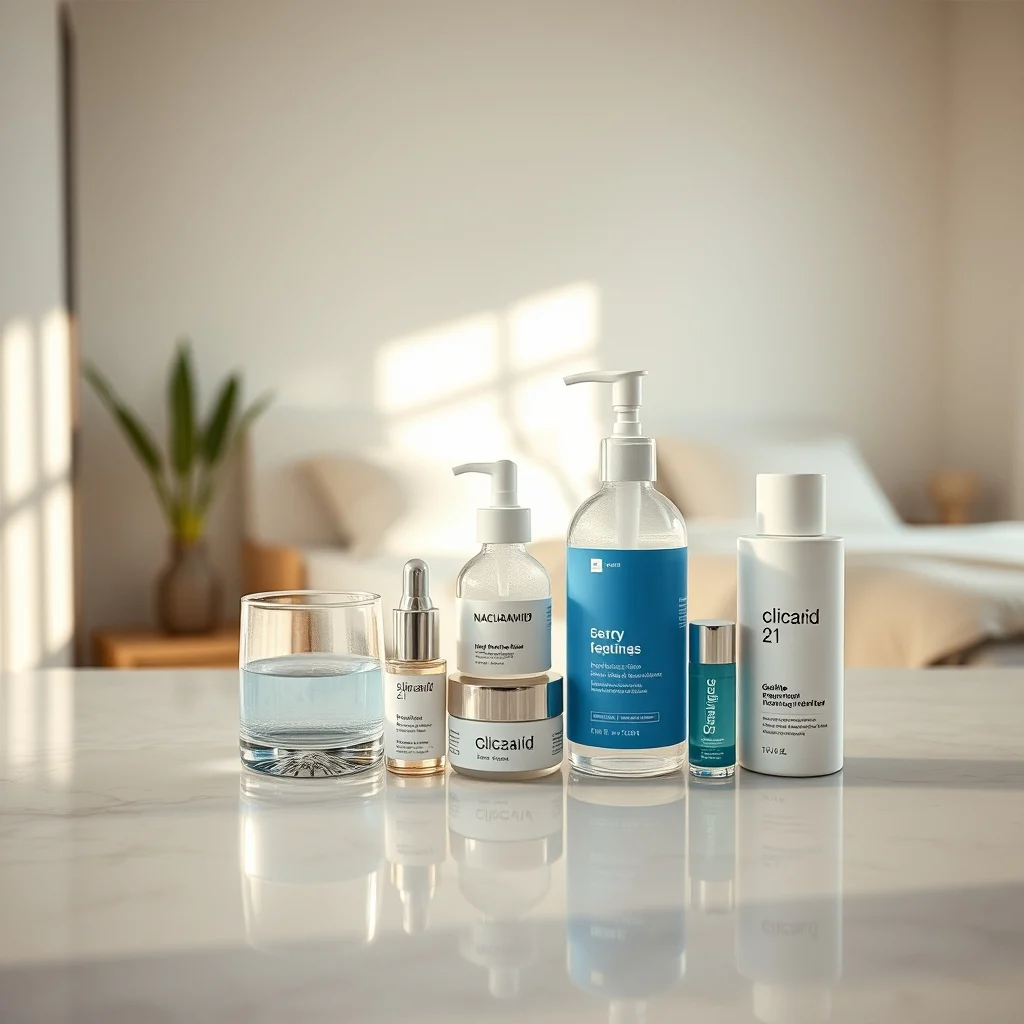
Ever wondered why your skin feels duller than ever despite using the latest beauty products? The answer might lie in the hidden ingredients lurking in your routine. The rise of **clean vs. conventional beauty** isn’t just a trend—it’s a shift toward transparency, gentleness, and results that last. Inspired by K-beauty’s latest craze, *glass skin 2.0*, this guide cuts through the noise to reveal what truly works and what’s just hype.
From synthetic fragrances to harsh preservatives, conventional beauty products often prioritize shelf life and profit over skin health. On the flip side, clean beauty focuses on minimal, non-irritating ingredients that nourish without compromising your skin’s barrier. But with so many options flooding the market, how do you know which path to choose? The key lies in understanding the core differences—and why glass skin 2.0 isn’t just about luminosity, but about a deeper, more sustainable approach to skincare.
Why Glass Skin 2.0 Demands a Cleaner Routine
Glass skin 2.0 isn’t just about achieving a flawless, glass-like complexion—it’s about building a skincare regimen that respects your skin’s natural balance. Conventional beauty products often contain ingredients like parabens, sulfates, and synthetic dyes, which can disrupt your skin’s microbiome and lead to long-term irritation. Clean beauty, however, emphasizes gentle, plant-based, and non-comedogenic ingredients that work harmoniously with your skin.
For those chasing glass skin 2.0, the transition to clean beauty isn’t just about swapping out products—it’s about rethinking your entire approach. Think of it as upgrading from a basic smartphone to a high-end device with advanced features. Your skin deserves the same level of care and precision. Start by auditing your current routine: Are there products with long ingredient lists you can’t pronounce? If so, it’s time for a refresh.
One of the biggest misconceptions is that clean beauty is only for those with sensitive skin. In reality, even oily or combination skin types can benefit from a cleaner routine. Ingredients like hyaluronic acid, niacinamide, and squalane are gentle yet effective, helping to hydrate without clogging pores. The goal isn’t to strip your skin of natural oils but to balance it—something conventional products often fail to do.
Debunking the Myth: Clean Beauty Is Too Expensive
Budget concerns often hold people back from switching to clean beauty, but the truth is, you don’t need to break the bank to achieve glass skin 2.0. Many affordable clean beauty brands prioritize simplicity and efficacy, proving that quality doesn’t always mean a high price tag. Look for multi-use products, like a gentle cleanser that doubles as a toner, or a moisturizer that includes SPF to simplify your routine and save money.
The key is to focus on what truly matters: ingredients, not marketing. Avoid products with unnecessary fillers or synthetic fragrances, which can irritate your skin and leave you chasing more products to compensate. Instead, invest in a few high-quality, clean products that address your specific concerns. Over time, this approach not only saves money but also reduces waste and environmental impact.
For those on a tight budget, start small. Swap out one conventional product for a clean alternative, like a sulfate-free shampoo or a fragrance-free moisturizer. Small changes add up, and you’ll likely notice a difference in how your skin feels and looks. Glass skin 2.0 isn’t about perfection—it’s about progress.
How to Transition to Clean Beauty Without Overwhelm
Switching to clean beauty doesn’t have to be an all-or-nothing endeavor. Begin by identifying the products in your routine that are most important—like your cleanser, moisturizer, and sunscreen—and replace those first. This gradual approach allows your skin to adjust without feeling overwhelmed or irritated.
Another tip is to read labels carefully. Look for certifications like USDA Organic, Non-GMO Project Verified, or EWG Verified, which indicate that a product meets strict standards for cleanliness. Avoid ingredients like parabens, phthalates, and synthetic musks, which are commonly found in conventional products and can be harmful over time. Websites like the EWG’s Skin Deep database can help you evaluate products and make informed choices.
Don’t forget to patch-test new products before fully incorporating them into your routine. This step is especially important if you have sensitive skin or are prone to reactions. Glass skin 2.0 is about consistency, not instant results, so give your skin time to adapt to the new ingredients. Patience is key—your skin will thank you in the long run.
Glass Skin 2.0 Ingredients to Look For (and Avoid)
The right ingredients can make or break your journey to glass skin 2.0. On the clean side, prioritize hydrating and soothing actives like hyaluronic acid, glycerin, and aloe vera. These ingredients help to plump the skin, reduce redness, and maintain a healthy moisture barrier. Peptides and antioxidants, such as vitamin C and E, are also excellent for promoting a youthful, radiant complexion.
On the flip side, avoid ingredients that can disrupt your skin’s balance, such as alcohol denat. (which can be drying), synthetic fragrances (which often cause irritation), and comedogenic oils (which can clog pores). Instead, opt for lightweight, non-comedogenic oils like jojoba or squalane, which mimic your skin’s natural sebum and provide hydration without clogging pores.
For those with oily or acne-prone skin, look for clean, non-comedogenic ingredients like niacinamide and zinc. These help to regulate sebum production and reduce inflammation, making them ideal for achieving glass skin 2.0 without breakouts. Remember, the goal is to balance your skin’s natural oils, not strip them away entirely.
Common Mistakes That Sabotage Your Glass Skin Goals
Even with the best intentions, some common mistakes can derail your efforts to achieve glass skin 2.0. One of the biggest is over-exfoliating, whether with physical scrubs or harsh chemical exfoliants. While exfoliation is essential for removing dead skin cells, overdoing it can lead to irritation, redness, and even breakouts. Stick to gentle exfoliants like lactic acid or PHA, and limit exfoliation to 2-3 times per week.
Another mistake is neglecting sun protection. Glass skin 2.0 isn’t just about hydration and hydration—it’s about protecting your skin from environmental damage. Always use a broad-spectrum SPF, even on cloudy days. Look for clean, mineral-based sunscreens that won’t clog pores or irritate your skin. For those with darker skin tones, mineral sunscreens can also help prevent dark spots and uneven texture.
Finally, don’t fall for the myth that you need a dozen products to achieve glass skin 2.0. Sometimes, fewer products with cleaner ingredients work better than a crowded routine. Focus on a simple, effective regimen that addresses your skin’s needs without overwhelming it. Less is often more when it comes to skincare.
Glass Skin 2.0 Isn’t Just About the Products—It’s About the Mindset
Achieving glass skin 2.0 goes beyond the products you use—it’s about adopting a mindset of consistency, patience, and self-care. Rushing the process or expecting overnight results can lead to frustration and even skin damage. Instead, embrace the journey and celebrate small victories along the way.
This mindset shift also extends to how you treat your skin at home. Avoid touching your face unnecessarily, as this can transfer bacteria and irritants. Use clean, soft towels and pillows to minimize friction and irritation. Even your diet plays a role—hydration, a balanced diet, and adequate sleep all contribute to a glowing complexion.
Lastly, remember that glass skin 2.0 is about more than just appearance—it’s about nurturing your skin’s health from the inside out. By choosing clean, gentle products and adopting a holistic approach to skincare, you’re not just achieving a flawless complexion—you’re investing in long-term skin health. That’s the true essence of glass skin 2.0.
You may also like
-
Clean vs. Conventional Beauty: A Barrier-First, Skinimalism Approach
-
Clean vs. Conventional Beauty: Step-by-Step Guide for Beginners
-
Clean vs. Conventional Beauty: What Most People Get Wrong About Oily Skin
-
Clean vs Conventional Beauty: Quick Tips for Busy People
-
Clean vs Conventional Beauty Myths: What Most People Get Wrong About Dry & Sensitive Skin