Confused about whether to switch to clean vs conventional beauty products? You’re not alone. Many people struggle to separate fact from fiction when it comes to skincare and makeup, especially with so much conflicting advice online. The good news? You don’t need a chemistry degree to make smarter choices—just a clear, step-by-step approach to understanding what truly works for your skin.
What Does “Clean Beauty” Really Mean?
First, let’s clarify the term. Clean beauty refers to products formulated without certain ingredients like parabens, sulfates, synthetic fragrances, and phthalates—common in conventional beauty. However, the term isn’t regulated, so brands define it differently. Some focus on non-toxic formulas, while others prioritize sustainability or ethical sourcing.
Conventional beauty, on the other hand, often relies on well-researched, lab-tested ingredients that have been used for decades. The key difference isn’t necessarily effectiveness but transparency and ingredient philosophy. For beginners, the goal isn’t to overhaul your routine overnight but to make informed swaps where it matters most.
Step 1: Identify Your Skin’s Core Needs
Before diving into product labels, assess your skin type and concerns. Oily skin may benefit from lightweight, non-comedogenic formulas, while dry or sensitive skin needs hydrating, soothing ingredients. Clean beauty isn’t one-size-fits-all—what works for a friend might not suit you.
Start by listing your top 2-3 skin goals (e.g., hydration, acne control, brightening). This narrows your focus and prevents overwhelm when comparing products. Remember, clean vs conventional beauty isn’t about perfection but progress.
Step 2: Learn to Read Labels Like a Pro
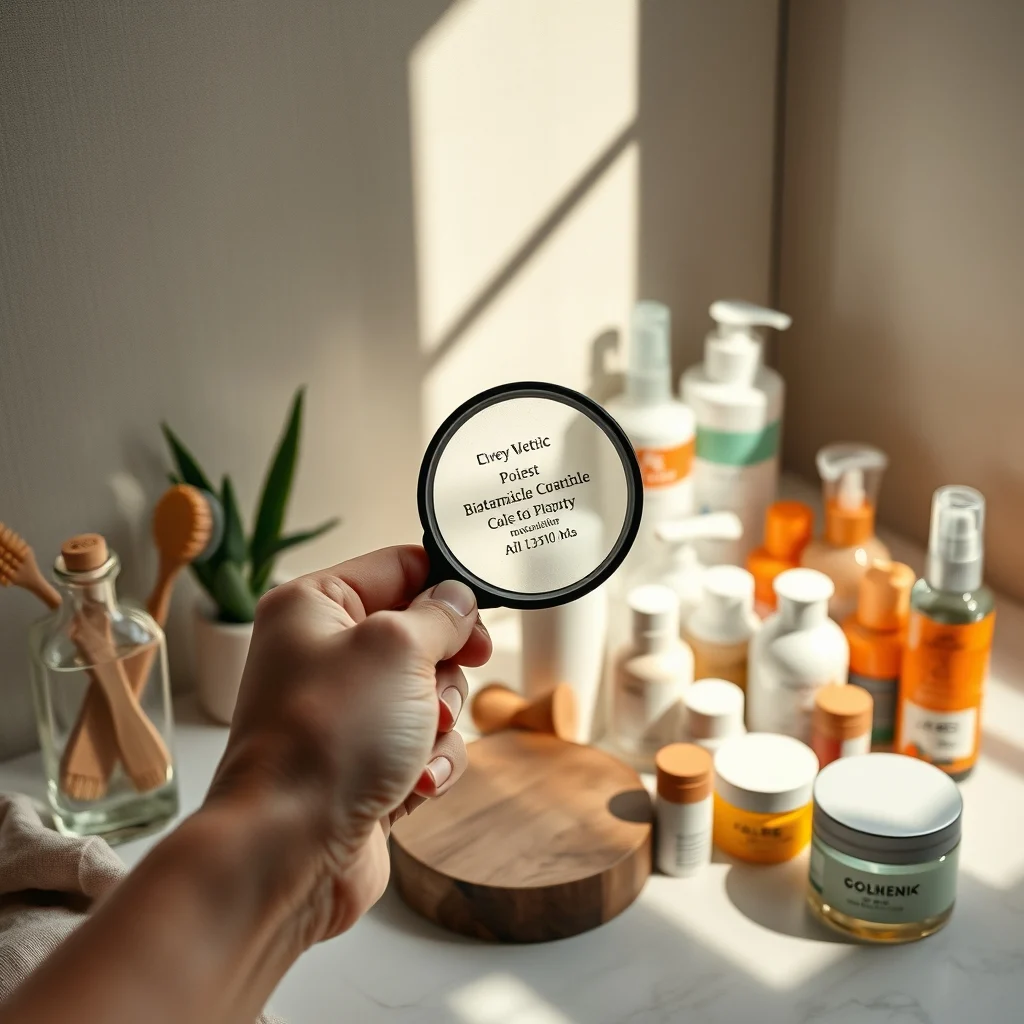
Ingredient lists can feel like a foreign language, but a few simple rules help. Ingredients are listed in order of concentration, so the first 5-6 are the most important. For clean beauty, watch for red flags like:
- Parabens (preservatives linked to irritation)
- Sulfates (harsh cleansers that strip skin)
- Synthetic fragrances (can trigger allergies)
Conventional products often include these, but they’re not inherently harmful—it depends on your skin’s tolerance. If you’re unsure, tools like the FDA’s cosmetics labeling guide can help decode terms.
Step 3: Start with Low-Risk Swaps
Overhauling your entire routine at once is a recipe for frustration. Instead, begin with products that sit on your skin the longest, like moisturizers or serums. These have the biggest impact on your skin’s health and are easier to evaluate for results.
For example, swap a conventional moisturizer for a clean alternative with ceramides or hyaluronic acid. These ingredients are widely used in both clean and conventional beauty, making the transition smoother. If your skin reacts poorly, you’ll know it’s not the right fit.
Step 4: Test and Observe
Patch-testing is non-negotiable, especially for sensitive skin. Apply a small amount of the new product behind your ear or on your wrist for 2-3 days. If no irritation occurs, introduce it into your routine gradually.
Give each product at least 4-6 weeks to show results. Skin renewal takes time, and clean beauty products often work differently than conventional ones. For instance, natural exfoliants like fruit enzymes may feel gentler but take longer to reveal smoother skin.
Step 5: Balance Cost and Value
One of the biggest myths is that clean beauty is always expensive. While some brands charge a premium, many affordable options deliver great results. Focus on value—ingredients, efficacy, and how well a product aligns with your needs—rather than price alone.
For example, a drugstore clean beauty moisturizer with niacinamide might outperform a luxury conventional product for acne-prone skin. Prioritize function over hype, and don’t assume higher cost equals better quality.
Step 6: Listen to Your Skin, Not Trends
Social media is full of #CleanBeauty converts, but what works for influencers might not work for you. Pay attention to how your skin feels and looks, not just what’s trending. If a conventional product gives you consistent results without irritation, there’s no need to abandon it.
The goal of clean vs conventional beauty isn’t to pick a side but to find what makes your skin thrive. Whether that’s a clean serum or a conventional sunscreen, your routine should reflect your unique needs—not someone else’s standards.
Ready to take the first step? Start small, stay patient, and let your skin guide you. The best routine is the one that works for you, not the one that fits a label.
You may also like
-
Clean vs. Conventional Beauty: What Most People Get Wrong About Peptides & Regenerative Actives
-
Clean vs. Conventional Beauty: A Barrier-First, Skinimalism Approach
-
Clean vs. Conventional Beauty: Step-by-Step Guide for Beginners
-
Clean vs. Conventional Beauty: What Most People Get Wrong About Oily Skin
-
Clean vs. Conventional Beauty: What Most People Get Wrong About Glass Skin 2.0