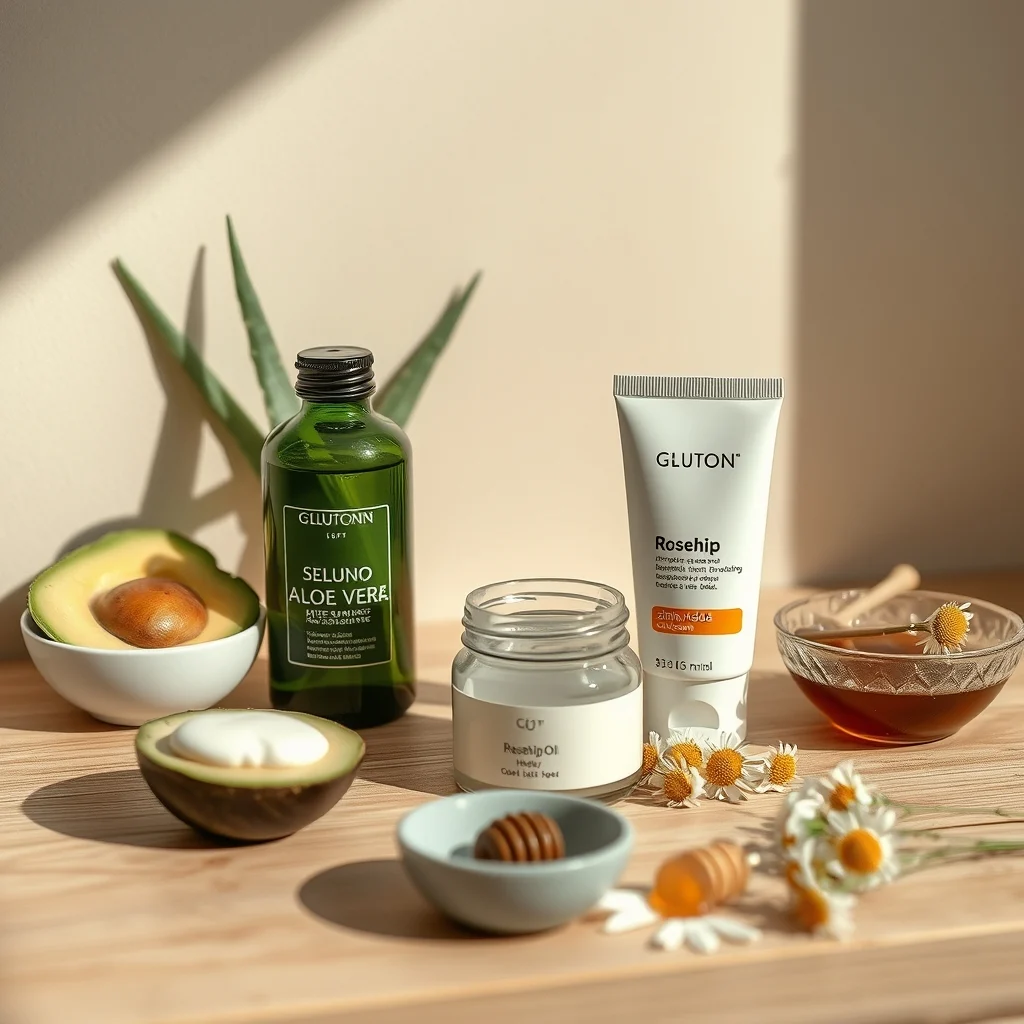
Struggling to find skincare that aligns with your values without compromising on results? You’re not alone. Many people feel overwhelmed by the sheer volume of products promising glowing skin, only to discover they’re packed with synthetic additives or unsustainable ingredients. The good news? Sustainable & natural ingredients offer a gentler, earth-friendly path to radiant skin—without the guesswork. This step-by-step guide will walk you through how to build a routine that nourishes your skin while respecting the planet.
Start with a Clean Slate: The Power of Gentle Cleansing
The foundation of any skincare routine begins with cleansing, but not all cleansers are created equal. Harsh formulas can strip your skin of its natural oils, leaving it dry or irritated. Instead, opt for plant-based cleansers with ingredients like aloe vera, chamomile, or oat extract. These soothe the skin while effectively removing dirt and impurities.
Avoid cleansers with sulfates or synthetic fragrances, as they can disrupt your skin’s barrier. If you wear makeup or sunscreen, double cleansing with an oil-based cleanser followed by a water-based one ensures a thorough yet gentle cleanse. This method removes even the most stubborn residue without compromising your skin’s health.
Hydrate with Nature’s Best Moisturizers
Moisturizing is non-negotiable, but the key is choosing ingredients that lock in hydration without clogging pores. Look for lightweight, plant-derived humectants like hyaluronic acid (derived from fermented wheat) or glycerin (often sourced from coconut or soy). These attract moisture to the skin and keep it plump throughout the day.
For deeper hydration, consider occlusives like shea butter or jojoba oil. These create a protective seal over the skin, preventing moisture loss. If you have oily skin, don’t shy away from oils—non-comedogenic options like grapeseed or rosehip oil balance sebum production while delivering antioxidants.
Target Specific Concerns with Plant-Based Actives
Natural ingredients aren’t just about hydration—they can also address specific skin concerns like dullness, redness, or uneven texture. Vitamin C from citrus fruits brightens the complexion, while niacinamide (derived from yeast) reduces inflammation and refines pores. For anti-aging, bakuchiol, a plant-based alternative to retinol, stimulates collagen without irritation.
When introducing actives, start slow to avoid overwhelming your skin. Patch-test new ingredients and gradually increase frequency. Remember, consistency is more important than intensity—natural ingredients often work best when given time to deliver results.
Protect Your Skin and the Planet with Mineral Sunscreen
Sunscreen is the most critical step in any skincare routine, but conventional formulas can harm marine life. Mineral sunscreens with zinc oxide or titanium dioxide provide broad-spectrum protection without the environmental toll. These ingredients sit on the skin’s surface, reflecting UV rays instead of absorbing them.
Mineral sunscreens can sometimes leave a white cast, but newer formulations blend seamlessly into all skin tones. Look for tinted options or those with added antioxidants like green tea extract to enhance protection. Reapply every two hours for maximum efficacy, especially if you’re spending time outdoors.
Simplify Your Routine with Multitasking Ingredients
Busy schedules call for smart skincare. Multitasking ingredients like honey, which hydrates and soothes, or turmeric, which brightens and calms, can streamline your routine. These powerhouses work across multiple skin types, making them ideal for those who prefer a minimalist approach.
DIY masks or spot treatments using ingredients from your kitchen—like avocado for hydration or yogurt for gentle exfoliation—can also be effective. Just ensure you’re using fresh, high-quality ingredients and patch-testing before full application. Simplicity doesn’t mean sacrificing results; it’s about working smarter, not harder.
Listen to Your Skin and Adjust as Needed
Skincare isn’t one-size-fits-all, and what works for one person may not suit another. Pay attention to how your skin responds to different ingredients. If you notice redness, breakouts, or dryness, it might be time to switch things up. Seasonal changes, stress, and diet can also impact your skin’s needs, so stay flexible.
Keep a skincare journal to track what works and what doesn’t. Over time, you’ll develop a routine tailored to your skin’s unique requirements. The goal isn’t perfection—it’s progress, and every small step counts toward healthier, happier skin.
Building a skincare routine with sustainable & natural ingredients doesn’t have to be complicated. Start with the basics, prioritize ingredients that align with your values, and let your skin guide you. The journey to radiant skin is as much about what you put on your face as it is about the choices you make for the planet. Why not take the first step today? Your skin—and the earth—will thank you.
For more information on safe and effective skincare ingredients, visit the American Academy of Dermatology.
You may also like
-
Sustainable & Natural Ingredients: A Beginner’s Guide to Nourished Skin
-
Sustainable Ingredients: A Beginner’s Guide to Natural Skincare Without the Hype
-
Natural Ingredients for Skin: A Beginner’s Guide to Sustainable Skincare
-
Sustainable Skincare Starter: Natural Ingredients for Glowing Skin
-
Bahan Alam & Berkelanjutan untuk Kulit: Panduan Lengkap untuk Pemula