Tired of skincare routines that feel overwhelming or leave your skin feeling stripped and irritated? Transitioning to sustainable and natural ingredients can feel like stepping into uncharted territory, especially when faced with endless product claims and conflicting advice. The good news is that starting with the right knowledge makes all the difference. Whether you’re drawn to the idea of fewer chemicals, a gentler approach to your skin, or simply wanting to reduce your environmental footprint, this guide will help you navigate the world of natural skincare with confidence.
One of the biggest misconceptions about natural ingredients is that they’re one-size-fits-all solutions. In reality, your skin type, concerns, and lifestyle play a huge role in determining which ingredients will work best for you. For instance, if you have oily skin, you might gravitate toward ingredients like tea tree oil or niacinamide, while those with dry or sensitive skin might benefit more from hyaluronic acid or aloe vera. Understanding these nuances is the first step toward building a routine that truly nourishes your skin without compromising sustainability.
Why Sustainable Ingredients Matter for Your Skin and the Planet
The shift toward sustainable and natural ingredients isn’t just a trend—it’s a reflection of a growing awareness of how our choices impact both our skin and the environment. Synthetic ingredients, while effective for some, often come with trade-offs like harsh chemicals that can disrupt your skin’s natural balance or contribute to pollution when disposed of improperly. Natural ingredients, on the other hand, are typically derived from plants, minerals, or other renewable resources, making them not only gentler on your skin but also kinder to the earth.
Sustainable skincare also means considering the entire lifecycle of a product, from how it’s sourced to how it’s packaged. Look for brands that prioritize ethical sourcing, biodegradable packaging, and cruelty-free testing. This approach ensures that your skincare routine aligns with your values, whether that’s reducing plastic waste or supporting fair trade practices. Over time, these small choices add up to a bigger impact—both on your skin’s health and the planet’s well-being.
Another layer to consider is how natural ingredients interact with your skin’s microbiome. Your skin is home to a complex ecosystem of bacteria, fungi, and other microorganisms that play a crucial role in maintaining balance and protecting against irritants. Many synthetic ingredients can disrupt this delicate balance, leading to issues like dryness, redness, or even breakouts. Natural ingredients, particularly those with antimicrobial or soothing properties, can help support a healthier microbiome, leading to skin that feels more resilient and balanced.
Essential Natural Ingredients for Every Skin Type
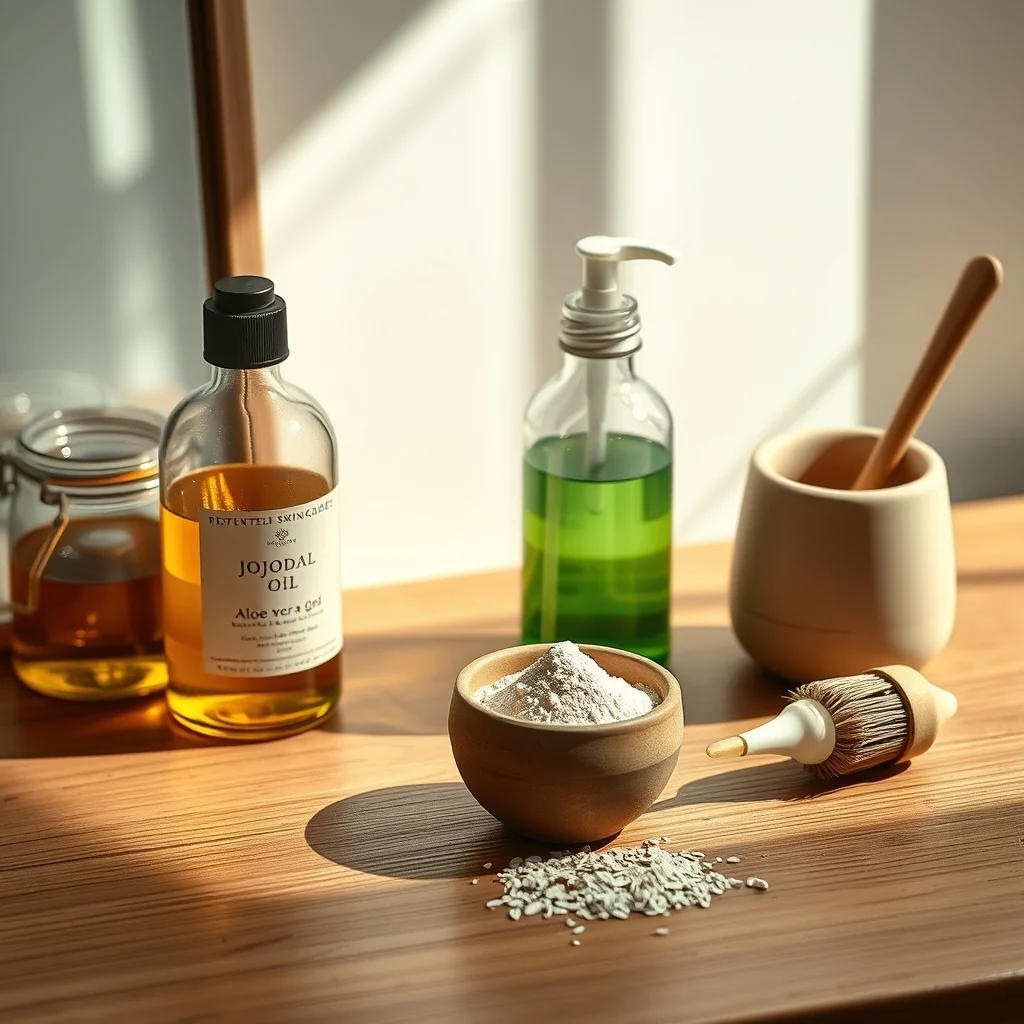
Not all natural ingredients are created equal, and what works for one skin type might not be ideal for another. For example, sustainable and natural ingredients like jojoba oil are fantastic for dry or mature skin because they mimic the skin’s natural sebum, providing deep hydration without clogging pores. On the other hand, ingredients like witch hazel or green tea extract are excellent for oily or acne-prone skin, as they help regulate oil production and reduce inflammation.
If you’re dealing with sensitivity, ingredients like chamomile, oat extract, or panthenol (provitamin B5) can be game-changers. These ingredients are known for their calming and reparative properties, making them perfect for soothing irritated or reactive skin. For those with combination skin, a balanced approach might involve using hyaluronic acid for hydration in dry areas while incorporating clay or zinc to help control oiliness in T-zones.
To get started, focus on building a routine around a few key ingredients that address your primary concerns. For hydration, hyaluronic acid and aloe vera are versatile choices. If brightening is your goal, ingredients like vitamin C (derived from natural sources) or licorice root extract can help even out skin tone. And for anti-aging benefits, look for antioxidants like green tea extract or resveratrol, which help combat free radicals and promote a more youthful appearance.
How to Build a Simple, Effective Routine with Natural Ingredients
Building a skincare routine with sustainable and natural ingredients doesn’t have to be complicated. Start with the basics: cleansing, moisturizing, and protecting your skin from the sun. For cleansing, opt for gentle, plant-based cleansers that won’t strip your skin of its natural oils. Look for ingredients like marshmallow root or colloidal oatmeal, which are known for their soothing properties.
Moisturizing is where natural ingredients really shine. A lightweight, plant-based moisturizer with ingredients like squalane, shea butter, or rosehip oil can provide the hydration your skin needs without feeling heavy or greasy. If you’re dealing with specific concerns like redness or texture, consider adding a targeted treatment like a serum with niacinamide or a spot treatment with tea tree oil. Just remember to patch-test new products to ensure they suit your skin’s unique needs.
Don’t overlook the importance of sun protection. While many natural sunscreens are available, they often require higher SPF levels to be effective. If you’re looking for a natural option, seek out mineral-based sunscreens with zinc oxide or titanium dioxide as the active ingredients. These provide broad-spectrum protection while being gentle on sensitive skin. For those who prefer a more natural approach, wearing a wide-brimmed hat and seeking shade during peak sun hours can also make a big difference.
Common Pitfalls to Avoid When Using Natural Ingredients
While sustainable and natural ingredients offer numerous benefits, there are a few common mistakes to avoid. One of the biggest is assuming that “natural” automatically means safe or effective for everyone. Just because an ingredient is plant-based doesn’t mean it won’t cause irritation or allergic reactions. Always introduce new ingredients gradually and monitor how your skin responds.
Another mistake is neglecting to read labels carefully. Some products marketed as “natural” might still contain synthetic preservatives, fragrances, or other irritants. Look for clean, minimal formulas with ingredients you recognize and understand. Additionally, avoid the temptation to overcomplicate your routine. Less is often more when it comes to natural skincare—focus on quality over quantity to avoid overwhelming your skin.
It’s also worth noting that natural ingredients can sometimes be less stable than their synthetic counterparts. For example, vitamin C derived from natural sources might degrade more quickly than lab-synthesized versions. To maximize the benefits, store your products properly—keep them in cool, dark places and follow the recommended usage guidelines. Finally, don’t fall for the myth that natural ingredients are always better than professional treatments. While they can be incredibly effective, some skin concerns may require targeted, science-backed treatments to see noticeable results.
Transitioning to Natural Ingredients: A Step-by-Step Approach
If you’re ready to make the switch, start by auditing your current skincare products. Identify which ones contain synthetic ingredients or harsh additives that you’d like to replace. Gradually introduce natural alternatives, one step at a time, to give your skin time to adjust. For example, you might begin by swapping your synthetic moisturizer for a plant-based one, then move on to replacing your cleanser with a gentle, natural option.
Keep a skincare journal to track how your skin responds to each new ingredient. Note any changes in texture, hydration, or irritation. This will help you identify what works best for your skin and avoid potential triggers. Additionally, consider consulting a dermatologist or skincare professional if you have specific concerns or conditions that require tailored advice. They can provide personalized recommendations based on your skin’s unique needs.
Lastly, embrace the learning process. Sustainable skincare is a journey, not a destination. What works for you today might evolve as your skin changes with age, environment, or lifestyle. Stay open to experimenting with new ingredients and routines while staying true to your values of sustainability and natural care.
Ready to take the first step toward a more mindful skincare routine? Start small, stay consistent, and let your skin guide you. Over time, you’ll not only see improvements in your skin’s appearance but also feel a deeper connection to the earth and the natural world around you.
You may also like
-
Sustainable & Natural Ingredients: A Beginner’s Guide to Nourished Skin
-
Sustainable Ingredients: A Beginner’s Guide to Natural Skincare Without the Hype
-
Sustainable Skincare Starter: Natural Ingredients for Glowing Skin
-
Bahan Alam & Berkelanjutan untuk Kulit: Panduan Lengkap untuk Pemula
-
Bahan Alam & Berkelanjutan untuk Kulit: Panduan Lengkap untuk Pendekatan ‘Glass Skin 2.0’ K-Beauty