If your skin feels tight, reacts to everything, or turns red at the slightest provocation, you’re not alone. Many people with sustainable & natural ingredients in mind hesitate to try them, fearing irritation or breakouts. The truth? The right natural actives can actually strengthen your skin’s barrier—if you know how to choose and use them. This guide cuts through the noise to focus on what truly works for sensitive, reactive skin without compromising on ethics or efficacy.
Why a Barrier-First Approach Matters
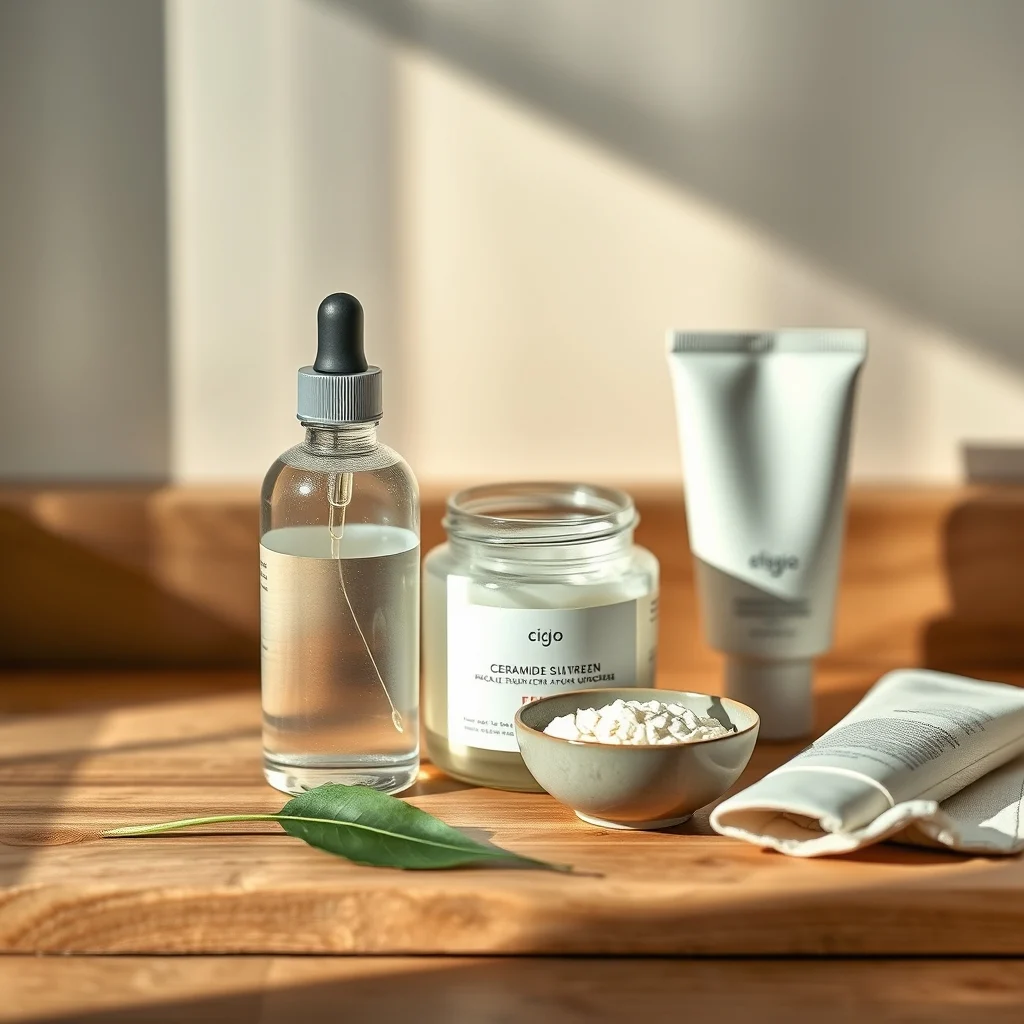
Your skin’s barrier is its first line of defense against pollution, bacteria, and moisture loss. When it’s compromised, even the gentlest ingredients can cause stinging or redness. Sustainable and natural ingredients like ceramides, squalane, and oat extract help repair this barrier by mimicking the skin’s natural lipids. Unlike synthetic alternatives, these ingredients are often biodegradable and sourced responsibly, making them a win for both your skin and the planet.
Look for products labeled “barrier-supporting” or “ceramide-rich”—these are designed to restore balance without stripping your skin. Avoid anything with high concentrations of essential oils or alcohol, as these can disrupt the barrier further. Instead, opt for minimalist formulas that prioritize hydration and soothing properties.
Gentle Hydrators for Immediate Relief
Dry, sensitive skin craves hydration, but not all moisturizers are created equal. Natural humectants like hyaluronic acid (derived from fermented wheat) and glycerin (from plant oils) draw moisture into the skin without clogging pores. Pair these with occlusives like shea butter or jojoba oil to lock in hydration and prevent transepidermal water loss.
A simple routine could start with a hyaluronic acid serum, followed by a lightweight moisturizer containing squalane. This combination works synergistically to plump and protect the skin. For an extra boost, try a hydrating mist with aloe vera or chamomile—both are anti-inflammatory and perfect for midday refreshers.
Anti-Inflammatory Powerhouses
Redness and irritation often stem from inflammation, which is why calming ingredients should be a staple in your routine. Colloidal oatmeal is a standout here—it’s clinically recognized for its soothing properties and is gentle enough for eczema-prone skin. Another hero ingredient is centella asiatica (also known as cica), which accelerates healing and reduces redness.
When introducing new ingredients, patch-test first to avoid flare-ups. Apply a small amount behind your ear or on your inner arm and wait 24 hours. If no reaction occurs, you can safely incorporate it into your routine. Remember, consistency is key—anti-inflammatory benefits build over time.
Exfoliation Without the Irritation
Exfoliation is essential for removing dead skin cells, but harsh scrubs can damage sensitive skin. Instead, opt for enzymatic exfoliants like papaya or pineapple extract, which dissolve dead skin cells without abrasion. Lactic acid, a gentle alpha-hydroxy acid (AHA) derived from milk, is another excellent choice—it exfoliates while hydrating.
Limit exfoliation to 1-2 times per week to avoid over-stripping your skin. Always follow with a barrier-repairing moisturizer to maintain balance. If your skin feels tight or looks shiny after exfoliating, you’ve likely disrupted your barrier—scale back and focus on hydration until it recovers.
Sun Protection the Natural Way
Sensitive skin is often more susceptible to UV damage, making sun protection non-negotiable. While mineral sunscreens (zinc oxide and titanium dioxide) are the gold standard for natural protection, they can sometimes leave a white cast. Look for non-nano versions, which are less likely to clog pores and are safer for marine ecosystems.
For daily wear, a tinted mineral sunscreen can provide light coverage while protecting your skin. Reapply every two hours if you’re outdoors, and pair with a wide-brimmed hat for extra defense. Remember, sun damage accumulates over time, so consistency is crucial.
Simplifying Your Routine for Long-Term Results
Less is often more when it comes to sensitive skin. A streamlined routine with 3-4 high-quality products is easier to manage and reduces the risk of irritation. Start with a gentle cleanser, followed by a hydrating serum, a barrier-repairing moisturizer, and sunscreen in the morning. At night, swap the sunscreen for a nourishing oil or balm to support overnight repair.
Listen to your skin—if it feels happy and balanced, you’re on the right track. If irritation occurs, strip back to the basics and reintroduce products one at a time. Sustainable and natural ingredients are only effective if they work in harmony with your skin’s unique needs.
Your skin’s health is a journey, not a destination. By focusing on barrier repair, hydration, and gentle actives, you can build a routine that soothes, protects, and nourishes—all while staying true to your values. Start small, observe how your skin responds, and adjust as needed. The right ingredients will help you achieve calm, resilient skin without compromise.
For more information on safe skincare ingredients, visit the American Academy of Dermatology.
You may also like
-
Sustainable & Natural Ingredients: A Beginner’s Guide to Nourished Skin
-
Sustainable Ingredients: A Beginner’s Guide to Natural Skincare Without the Hype
-
Natural Ingredients for Skin: A Beginner’s Guide to Sustainable Skincare
-
Sustainable Skincare Starter: Natural Ingredients for Glowing Skin
-
Bahan Alam & Berkelanjutan untuk Kulit: Panduan Lengkap untuk Pemula