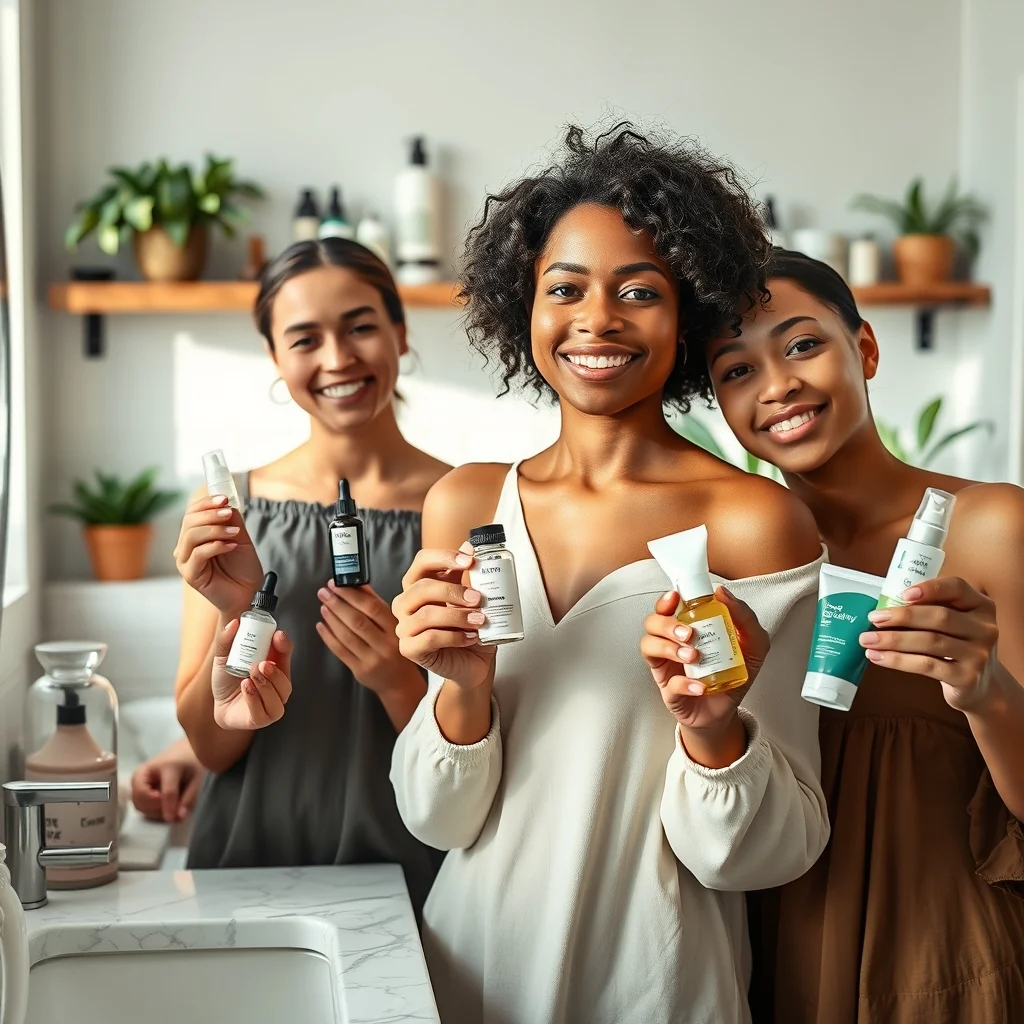
Struggling to find skincare products that are both effective and free from harsh chemicals? You’re not alone. Many people dive into clean beauty product reviews only to feel overwhelmed by conflicting advice, misleading labels, or products that don’t deliver. The good news? With a structured approach, you can navigate the world of clean beauty with confidence and achieve healthier, glowing skin without the guesswork.
Understand What “Clean Beauty” Really Means
Before diving into reviews, it’s essential to clarify what “clean beauty” entails. Unlike conventional skincare, clean beauty prioritizes non-toxic, ethically sourced ingredients that are safe for both your skin and the environment. However, the term isn’t regulated, so brands may interpret it differently. Look for certifications like EWG Verified, COSMOS Organic, or Leaping Bunny to ensure credibility.
Start by identifying ingredients to avoid, such as parabens, sulfates, synthetic fragrances, and phthalates. These are commonly linked to irritation, hormonal disruption, or long-term health risks. Instead, focus on products with plant-based actives, antioxidants, and hydrating agents like hyaluronic acid or aloe vera. This foundational knowledge will help you filter out misleading claims in reviews.
Learn How to Read Reviews Like a Pro
Not all clean beauty product reviews are created equal. Some may be biased, overly promotional, or lack detail. To spot reliable reviews, check if the reviewer has tested the product for at least 4-6 weeks, as skin cycles take time to show results. Look for before-and-after comparisons, honest discussions about texture, absorption, and any side effects like breakouts or dryness.
Pay attention to reviews from people with similar skin types or concerns. For example, if you have oily skin, a review from someone with dry skin may not be relevant. Also, prioritize reviews that mention specific ingredients or formulations. Vague praise like “this product is amazing” doesn’t provide actionable insights, whereas details about how a serum reduced redness or improved hydration do.
Identify Your Skin’s Unique Needs
Clean beauty isn’t one-size-fits-all. Your skin type, concerns, and even climate play a role in determining which products will work best. For instance, if you have sensitive skin, opt for fragrance-free, hypoallergenic formulas with soothing ingredients like chamomile or oat extract. Those with oily skin might benefit from lightweight, non-comedogenic products with niacinamide or tea tree oil to control excess sebum.
Start by assessing your skin’s current state. Is it dehydrated, congested, or prone to redness? Use this as a guide when reading reviews. If a product receives rave reviews for brightening but your primary concern is hydration, it may not be the best fit. Tailoring your choices to your skin’s needs ensures better results and fewer wasted purchases.
Test Products Safely and Effectively
Once you’ve narrowed down your options based on reviews, introduce new products gradually. Patch-testing is crucial, especially for clean beauty products that may contain potent natural ingredients. Apply a small amount behind your ear or on your inner arm and wait 24-48 hours to check for adverse reactions. If no irritation occurs, introduce the product into your routine slowly, using it every other day at first.
Keep track of how your skin responds. A journal or skincare app can help you note changes in texture, hydration, or breakouts. If a product causes irritation or doesn’t deliver results after 4-6 weeks, it’s time to reassess. Remember, even the most highly reviewed clean beauty products won’t work for everyone, and that’s okay.
Look Beyond the Hype: Ingredient Transparency Matters
In the world of clean beauty, marketing claims can be misleading. Terms like “natural,” “green,” or “botanical” don’t guarantee safety or efficacy. Instead, focus on ingredient transparency. Reputable brands list all ingredients clearly and avoid vague terms like “fragrance” or “proprietary blend,” which can hide harmful additives.
When reading reviews, see if the reviewer mentions the product’s ingredient list. For example, a cleanser with coconut-derived surfactants might be gentler than one with sulfates, but it could still clog pores for acne-prone skin. Cross-referencing reviews with ingredient databases like the EWG Skin Deep or the FDA’s guidelines can help you make informed decisions.
Build a Routine That Works for You
A common mistake in clean beauty is overcomplicating routines. While it’s tempting to try every trending product, simplicity often yields the best results. Start with the basics: a gentle cleanser, hydrating serum, and moisturizer. Once your skin adjusts, you can add targeted treatments like exfoliants or masks based on reviews and your skin’s needs.
When incorporating new products, give your skin time to adapt. Layering too many actives at once can lead to irritation or breakouts. For example, if you’re using a vitamin C serum, avoid pairing it with retinol or AHAs/BHAs until your skin builds tolerance. Reviews that mention gradual integration or layering tips can be particularly helpful in avoiding common pitfalls.
Finding the right clean beauty products doesn’t have to be a daunting task. By understanding the basics, learning to evaluate reviews critically, and tailoring choices to your skin’s needs, you can build a routine that delivers real results. Start small, stay consistent, and let your skin’s progress guide your next steps. The journey to healthier skin begins with a single, well-informed choice—why not make it today?
You may also like
-
Clean Beauty Reviews: Step-by-Step Guide to Glowing Skin Safely
-
Clean Beauty Product Reviews: A Barrier-First Approach for Healthier Skin
-
Clean Beauty Reviews: A Barrier-First Approach for Healthier Skin
-
Clean Beauty Product Reviews: A Beginner’s Step-by-Step Guide
-
Clean Beauty Reviews for Busy People: Quick & Effective Routines