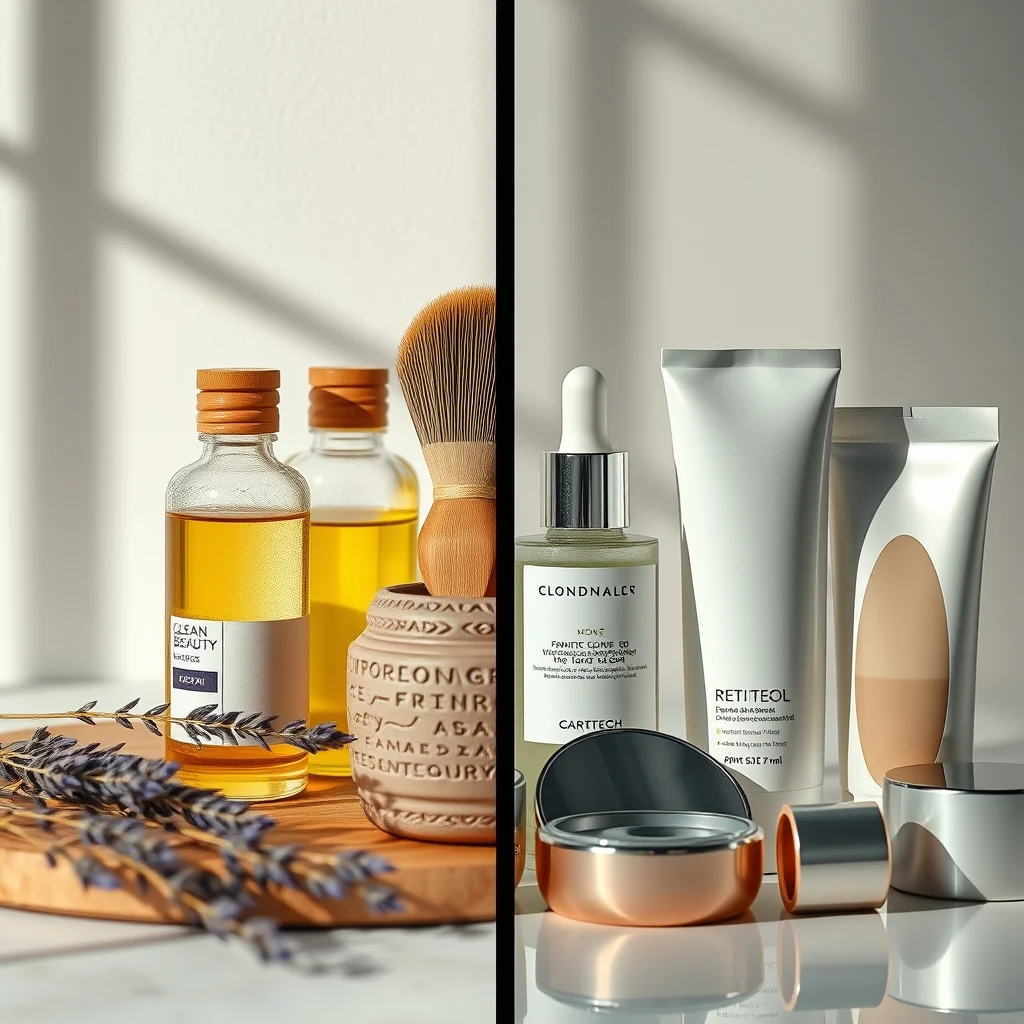
Navigating the world of skincare can feel overwhelming, especially when bombarded with conflicting advice about clean vs conventional beauty. Many assume that one is inherently superior to the other, but the truth is far more nuanced. Whether you’re drawn to the allure of natural ingredients or the proven efficacy of lab-formulated products, understanding the myths surrounding both can help you make smarter choices for your skin.
Myth 1: Clean Beauty Is Always Safer
One of the biggest misconceptions is that clean beauty products are automatically safer because they avoid synthetic ingredients. While it’s true that many clean brands prioritize non-toxic formulations, not all natural ingredients are gentle. Essential oils, for example, can cause irritation or allergic reactions in sensitive skin. Conversely, some synthetic ingredients undergo rigorous testing to ensure safety and stability.
It’s also worth noting that the term “clean beauty” lacks a standardized definition, meaning brands can interpret it differently. Some may exclude certain chemicals while still using others that could be problematic. Always check ingredient lists rather than relying solely on marketing claims.
Myth 2: Conventional Beauty Is More Effective
Another common myth is that conventional beauty products deliver better results because they contain advanced scientific ingredients. While some lab-developed actives, like retinol or hyaluronic acid, have well-documented benefits, effectiveness isn’t exclusive to conventional products. Many clean brands now incorporate high-performance natural ingredients, such as bakuchiol (a plant-based retinol alternative) or niacinamide derived from botanical sources.
The key is to focus on formulations that address your specific skin concerns, whether they come from a lab or nature. A well-formulated clean serum can be just as effective as its conventional counterpart.
Myth 3: Natural Ingredients Are Always Better for Sensitive Skin
Sensitive skin types often gravitate toward clean beauty under the assumption that natural ingredients are gentler. However, some plant extracts, like citrus or mint, can be highly irritating. Even seemingly harmless ingredients, such as coconut oil, can clog pores for acne-prone individuals. Conventional products, on the other hand, may include soothing agents like ceramides or colloidal oatmeal that are specifically designed for delicate skin.
If you have sensitive skin, patch-testing new products is essential, regardless of whether they’re labeled as clean or conventional. Look for fragrance-free and hypoallergenic options to minimize potential reactions.
Myth 4: Clean Beauty Is More Expensive
The perception that clean beauty comes with a hefty price tag is another myth that needs debunking. While some luxury clean brands do charge a premium, there are plenty of affordable options available. Drugstore brands like Burt’s Bees and Pacifica offer clean formulations at accessible prices, proving that you don’t need to break the bank for safer skincare.
Similarly, conventional beauty isn’t always budget-friendly. High-end serums and treatments can cost just as much, if not more, than their clean counterparts. The key is to prioritize value—look for products that deliver results without unnecessary markups.
Myth 5: You Must Choose One Over the Other
Perhaps the most limiting myth is the idea that you must commit entirely to either clean or conventional beauty. In reality, a hybrid approach often works best. You might use a clean moisturizer but rely on a conventional sunscreen with proven UV protection. The goal is to curate a routine that aligns with your skin’s needs, not an arbitrary label.
For example, if you love the texture of a conventional foundation but prefer clean skincare, there’s no rule saying you can’t mix and match. The beauty industry is evolving, and so should your approach to it.
Myth 6: Clean Beauty Is a Passing Trend
Some dismiss clean beauty as a fleeting trend, but consumer demand for transparency and sustainability suggests otherwise. More brands are reformulating products to exclude harmful ingredients, and regulatory bodies are paying closer attention to product safety. This shift isn’t just about marketing—it’s a response to growing awareness about what we put on our skin.
That said, conventional beauty isn’t disappearing either. Both categories are adapting, with clean brands embracing innovation and conventional brands improving their formulations. The future of beauty lies in informed choices, not rigid divisions.
At the end of the day, the best skincare routine is the one that works for you. Whether you lean toward clean vs conventional beauty, focus on ingredients, efficacy, and how your skin responds. Experiment, adjust, and don’t be afraid to redefine what beauty means to you—one product at a time. For more insights on ingredient safety, visit the FDA’s cosmetics page.
You may also like
-
Clean vs Conventional Beauty Myths: What Most People Get Wrong About Budget-Friendly Skincare
-
Clean vs Conventional Beauty Myths: A Barrier-First Approach for Healthy Skin
-
Clean vs Conventional Beauty Myths: What Most People Get Wrong About Dry & Sensitive Skin
-
Clean vs Conventional Beauty Myths: How to Get Started This Week Without Overwhelm
-
Clean vs Conventional Beauty Myths: What Most People Get Wrong About Oily Skin