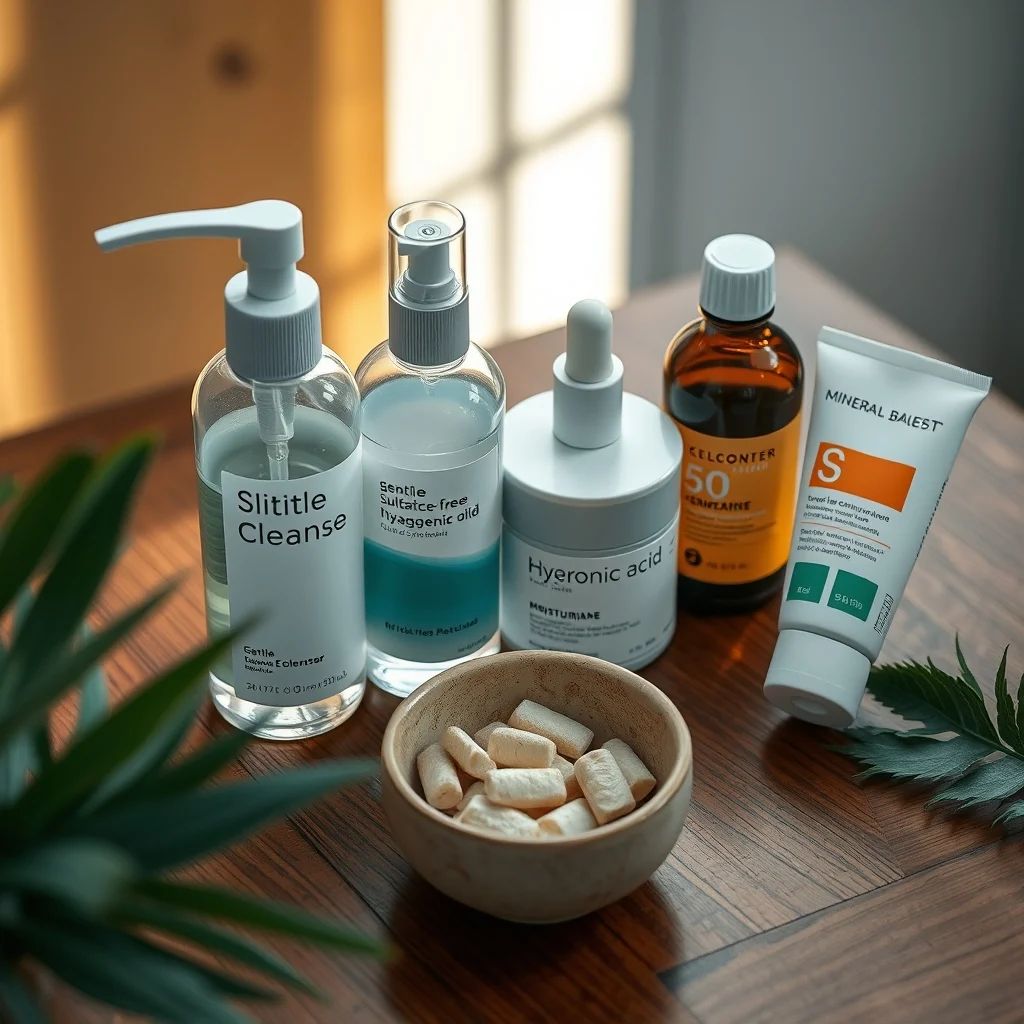
Ever feel like your skincare routine is a never-ending cycle of products, yet your skin still feels tired or irritated? The answer might lie in shifting your focus to a clean beauty routine centered around strengthening your skin’s natural barrier. Many people overlook this foundational step, instead chasing the latest trends or potions that promise instant results. The truth is, a robust barrier is the backbone of healthy skin—it keeps out irritants, locks in moisture, and prevents premature aging. This approach isn’t just about what you put on your skin; it’s about nurturing what’s already there.
If you’ve ever wondered how to simplify your routine while still achieving glowing, resilient skin, you’re in the right place. A barrier-first strategy doesn’t require a complex regimen or expensive products—just a few mindful choices that prioritize your skin’s natural defenses. Whether you’re new to clean beauty or looking to refine your existing routine, this guide will walk you through the essentials, from gentle cleansers to hydrating serums, all while avoiding common pitfalls that can disrupt your skin’s balance.
Understanding the Skin Barrier: Your First Line of Defense
The skin barrier, also known as the stratum corneum, acts as a protective shield against environmental stressors like pollution, UV rays, and harsh ingredients. When this barrier is compromised—whether due to over-exfoliation, alcohol-based products, or dehydration—your skin becomes more susceptible to irritation, redness, and even breakouts. A clean beauty routine starts by identifying and avoiding ingredients that strip or disrupt this barrier, such as sulfates, synthetic fragrances, and artificial dyes.
Instead, focus on ingredients that repair and fortify it, such as ceramides, hyaluronic acid, and plant-based oils. These components work synergistically to restore moisture, strengthen cell junctions, and maintain the skin’s natural pH. Think of your barrier as a brick wall: the bricks are your cells, and the mortar is the lipids that hold them together. Without proper care, even the strongest bricks will crumble.
Transitioning to a barrier-first approach doesn’t mean you have to overhaul your entire routine overnight. Start by swapping out one problematic product at a time—like replacing your foaming cleanser with a creamy, sulfate-free alternative. Small changes can lead to big improvements over time, especially when paired with consistent, gentle care.
Gentle Cleansing: The Foundation of a Healthy Routine
Cleansing is often the first step in any skincare routine, but it’s also where many people go wrong. Harsh cleansers can leave your skin feeling tight, dry, or even inflamed, which signals to your skin that it needs to ramp up oil production—leading to clogged pores and breakouts. For a clean beauty routine, opt for a mild, hydrating cleanser that removes dirt and impurities without stripping your skin’s natural oils.
Look for cleansers with ingredients like oat extract, aloe vera, or chamomile, which soothe and calm the skin while effectively cleansing. Double cleansing—first with an oil-based cleanser to break down makeup and sunscreen, followed by a water-based cleanser—can also be a game-changer for those with combination or oily skin. This method ensures that your skin is thoroughly cleaned without the need for abrasive scrubs or alcohol-heavy formulas.
Remember, the goal of cleansing isn’t to dry out your skin but to prep it for the next steps in your routine. If your cleanser leaves your skin feeling irritated or overly tight, it’s a sign that it’s not the right fit. Listen to your skin’s cues and adjust accordingly.
Hydration and Moisturization: Nourishing Your Skin’s Natural Balance
Once your skin is clean, the next step is to hydrate and moisturize. Hydration refers to the water content in your skin, while moisturization involves sealing that water in with emollients and occlusives. For a clean beauty routine, prioritize products that contain humectants like hyaluronic acid to draw in moisture, as well as occlusives like squalane or shea butter to lock it in.
Dehydrated skin often appears dull or flaky, while properly hydrated skin looks plump and radiant. If your skin feels tight after cleansing, it’s a clear sign that it needs extra hydration. Layering a lightweight hyaluronic acid serum under your moisturizer can make a noticeable difference, especially in dry or sensitive skin types. For those with oily skin, opt for a gel-based moisturizer that provides hydration without clogging pores.
Don’t overlook the importance of sunscreen in your hydration routine. Many moisturizers now include SPF, but if yours doesn’t, make sure to apply a clean, mineral-based sunscreen as the final step in your AM routine. This not only protects your skin from UV damage but also adds an extra layer of hydration and defense against environmental stressors.
Avoiding Over-Exfoliation: Less Is Often More
Exfoliation is a key part of many skincare routines, but when done incorrectly, it can do more harm than good. Over-exfoliation—whether through physical scrubs or harsh chemical exfoliants—can weaken your skin barrier, leading to redness, sensitivity, and even accelerated aging. In a clean beauty routine, exfoliation should be gentle, consistent, and tailored to your skin’s needs.
If you’re new to exfoliation, start with a mild chemical exfoliant like lactic acid or mandelic acid, which are gentler than glycolic acid and less likely to cause irritation. Limit exfoliation to 1–2 times per week, and always follow up with a soothing moisturizer or hydrating serum. Physical exfoliants, like scrubs with fine grains, can also be incorporated sparingly—just be sure to avoid overdoing it, as they can cause micro-tears in the skin.
Pay attention to how your skin reacts after exfoliating. If you notice increased redness, stinging, or dryness, it’s a sign that you’ve overdone it. Remember, the goal of exfoliation is to reveal fresh, healthy skin—not to strip it away. Balance is key.
Incorporating Clean Actives: Targeted Care Without the Harshness
While a barrier-first approach focuses on nurturing your skin’s natural defenses, there’s still room for targeted actives that address specific concerns. The key is to choose clean, effective ingredients that work harmoniously with your skin’s barrier rather than against it. For example, niacinamide is a versatile active that strengthens the skin barrier while also reducing redness and minimizing the appearance of pores.
Peptides are another excellent choice for those looking to boost collagen production and improve skin elasticity without irritation. Look for clean, peptide-rich serums that are free from synthetic fragrances and alcohol. Other gentle yet effective actives include azelaic acid (for acne and redness) and bakuchiol (a natural alternative to retinol that’s less likely to cause irritation).
When introducing actives into your routine, start with one at a time and give your skin at least 4–6 weeks to adjust before adding another. This allows you to monitor how your skin responds and avoid overwhelming it. If you experience any irritation, discontinue use and consult a dermatologist for personalized advice.
Lifestyle Habits That Support Your Clean Beauty Routine
A clean beauty routine extends beyond the products you use on your skin—it’s also about the habits you cultivate in your daily life. Diet, sleep, and stress management all play a crucial role in maintaining a healthy skin barrier. For instance, a diet rich in omega-3 fatty acids, antioxidants, and vitamins can help strengthen your skin from within, while adequate sleep allows your skin to repair and regenerate overnight.
Hydration is another often-overlooked factor. Drinking plenty of water throughout the day helps keep your skin plump and supple, while also flushing out toxins that can contribute to breakouts. Additionally, avoid smoking and limit alcohol consumption, as both can weaken the skin barrier and accelerate aging. Small lifestyle changes can make a big difference in how your skin looks and feels.
Finally, don’t underestimate the power of a consistent routine. Even the best products won’t work their magic if they’re not used regularly. Set aside a few minutes each morning and night to care for your skin, and make it a non-negotiable part of your self-care practice. Over time, you’ll notice a visible difference in your skin’s texture, tone, and overall health.
Ready to transform your skincare routine into one that truly nourishes and protects your skin? Start by auditing your current products for any irritants or harsh ingredients, and gradually replace them with cleaner, barrier-friendly alternatives. Your skin will thank you with a radiant, resilient glow that lasts.
You may also like
-
Clean Beauty Routines: A Beginner’s Step-by-Step Guide to Glowing Skin
-
Clean Beauty Routines: A Beginner’s Step-by-Step Guide to Glowing Skin
-
Clean Beauty Routines: A Barrier-First Approach for Lasting Skin Health
-
Rutinitas Kecantikan Alami: Panduan Lengkap untuk Kulit Sehat Tanpa Kompromi
-
Rutinitas Kebersihan Wajah Alami: Cara Mulai dari Nol untuk Kulit yang Sehat dan Cerah