Struggling with redness, tightness, or breakouts no matter how many products you try? The secret to resilient skin isn’t more layers—it’s strengthening your skin’s natural barrier. A clean beauty routine focused on barrier support can transform sensitive, reactive skin into a calm, balanced complexion without harsh ingredients or complicated steps. The key lies in simplicity, gentle actives, and consistency—not chasing trends or overloading your skin with unnecessary products.
Why a Barrier-First Approach Matters
A healthy skin barrier acts like a shield, locking in moisture and keeping irritants out. When it’s compromised, even the gentlest products can cause stinging, flaking, or inflammation. Many conventional routines strip the skin with sulfates, alcohols, or over-exfoliation, leaving it vulnerable. Clean beauty prioritizes ingredients that repair and maintain this protective layer, like ceramides, fatty acids, and cholesterol—components naturally found in healthy skin.
Think of your barrier as a brick wall. Ceramides are the mortar holding everything together, while fatty acids and cholesterol act as the bricks. Without enough of these, gaps form, leading to moisture loss and sensitivity. A barrier-first routine rebuilds this wall, so your skin can defend itself against environmental stressors like pollution, UV rays, and temperature changes.
Step 1: Simplify Your Cleanser
The first step in any routine is cleansing, but many foaming or gel cleansers disrupt the skin’s pH and strip natural oils. Opt for a creamy, fragrance-free cleanser with a pH close to skin’s natural level (around 5.5). Look for ingredients like glycerin or squalane, which cleanse without compromising the barrier. Avoid sulfates (SLS/SLES) and synthetic fragrances, as these are common irritants.
Double cleansing isn’t necessary unless you wear heavy makeup or sunscreen. For most people, a single gentle cleanse in the evening is enough. In the morning, rinsing with water or using a micellar water can prevent over-stripping. Remember, the goal is to remove impurities—not your skin’s protective oils.
Step 2: Hydrate with Skin-Identical Ingredients
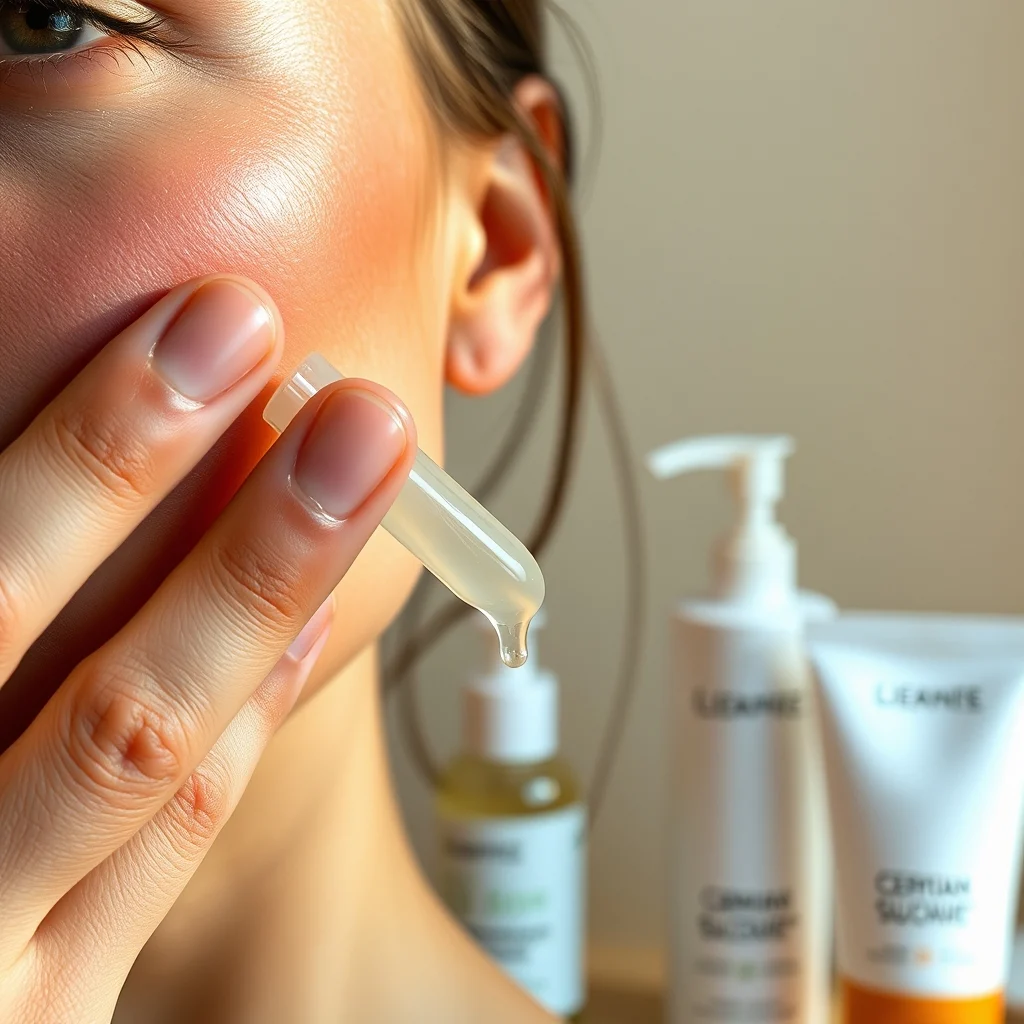
After cleansing, replenish moisture with ingredients that mimic your skin’s natural composition. Hyaluronic acid is a popular humectant, but it can draw moisture from deeper layers if the air is dry. Pair it with occlusives like jojoba oil or shea butter to seal hydration in. Ceramide-rich serums or moisturizers are ideal for repairing the barrier, especially if your skin feels tight or looks flaky.
For sensitive skin, avoid essential oils and high concentrations of actives like vitamin C or retinol in the beginning. Instead, focus on soothing ingredients like panthenol (pro-vitamin B5) or allantoin, which calm redness and support healing. A simple rule: if your skin stings or burns after applying a product, it’s not barrier-friendly.
Step 3: Protect with Mineral Sunscreen
UV damage is one of the biggest threats to your skin barrier. Chemical sunscreens can irritate sensitive skin, so opt for mineral-based formulas with zinc oxide or titanium dioxide. These sit on top of the skin, reflecting UV rays without absorbing into the bloodstream. Look for “non-nano” versions to avoid potential irritation from smaller particles.
Apply sunscreen as the last step in your morning routine, even on cloudy days. If you’re indoors most of the day, a lightweight formula with SPF 30 is sufficient. Reapply every two hours if you’re outside, and don’t forget areas like your neck and hands. Sunscreen isn’t just for preventing burns—it’s a daily defense for your barrier.
Step 4: Repair Overnight with Lipids
Nighttime is when your skin repairs itself, so support the process with lipid-rich products. Ingredients like squalane, rosehip oil, or evening primrose oil replenish the skin’s natural oils without clogging pores. These mimic the sebum your skin produces, helping to restore balance and elasticity.
If your skin is very dry or sensitive, consider a “slugging” technique—applying a thin layer of petroleum jelly over your moisturizer to lock in hydration. While this might feel heavy at first, it’s a temporary measure to help your barrier recover. Once your skin improves, you can switch to lighter occlusives like plant-based oils.
Step 5: Listen to Your Skin’s Signals
A barrier-first routine isn’t about rigid rules—it’s about adapting to your skin’s needs. If your skin feels tight or looks dull, it’s asking for more hydration. If it’s oily but still sensitive, you might need a lighter moisturizer with barrier-supporting ingredients. Pay attention to how your skin reacts after trying new products, and give it time to adjust.
Avoid the temptation to overhaul your routine at the first sign of irritation. Introduce one product at a time, and wait at least two weeks before adding another. This helps you identify what works and what doesn’t, so you can build a routine that truly supports your skin’s health.
Step 6: Keep It Sustainable and Simple
Clean beauty isn’t about buying more—it’s about using what your skin actually needs. A minimalist routine with 3-4 well-chosen products is often more effective than a 10-step regimen. Focus on multi-tasking products, like a moisturizer with SPF or a serum that combines hydration and barrier repair. This reduces waste and saves time, making it easier to stick with your routine long-term.
When choosing products, look for brands that prioritize transparency in their ingredient lists. Avoid greenwashing by checking labels for hidden irritants like synthetic fragrances or high concentrations of essential oils. The American Academy of Dermatology recommends patch-testing new products before applying them to your face, especially if you have sensitive skin.
Your skin’s barrier is its first line of defense, and nurturing it doesn’t require expensive treatments or complicated steps. By focusing on gentle, supportive ingredients and listening to your skin’s needs, you can build a clean beauty routine that lasts. Start small, be consistent, and let your skin’s natural resilience shine through—without the redness, irritation, or guesswork.
You may also like
-
Clean Beauty Routines: A Beginner’s Step-by-Step Guide to Glowing Skin
-
Clean Beauty Routines: A Barrier-First Approach for Lasting Skin Health
-
Clean Beauty Routines: A Beginner’s Step-by-Step Guide to Glowing Skin
-
Clean Beauty Routines: A Barrier-First Approach for Lasting Skin Health
-
Rutinitas Kecantikan Alami: Panduan Lengkap untuk Kulit Sehat Tanpa Kompromi