
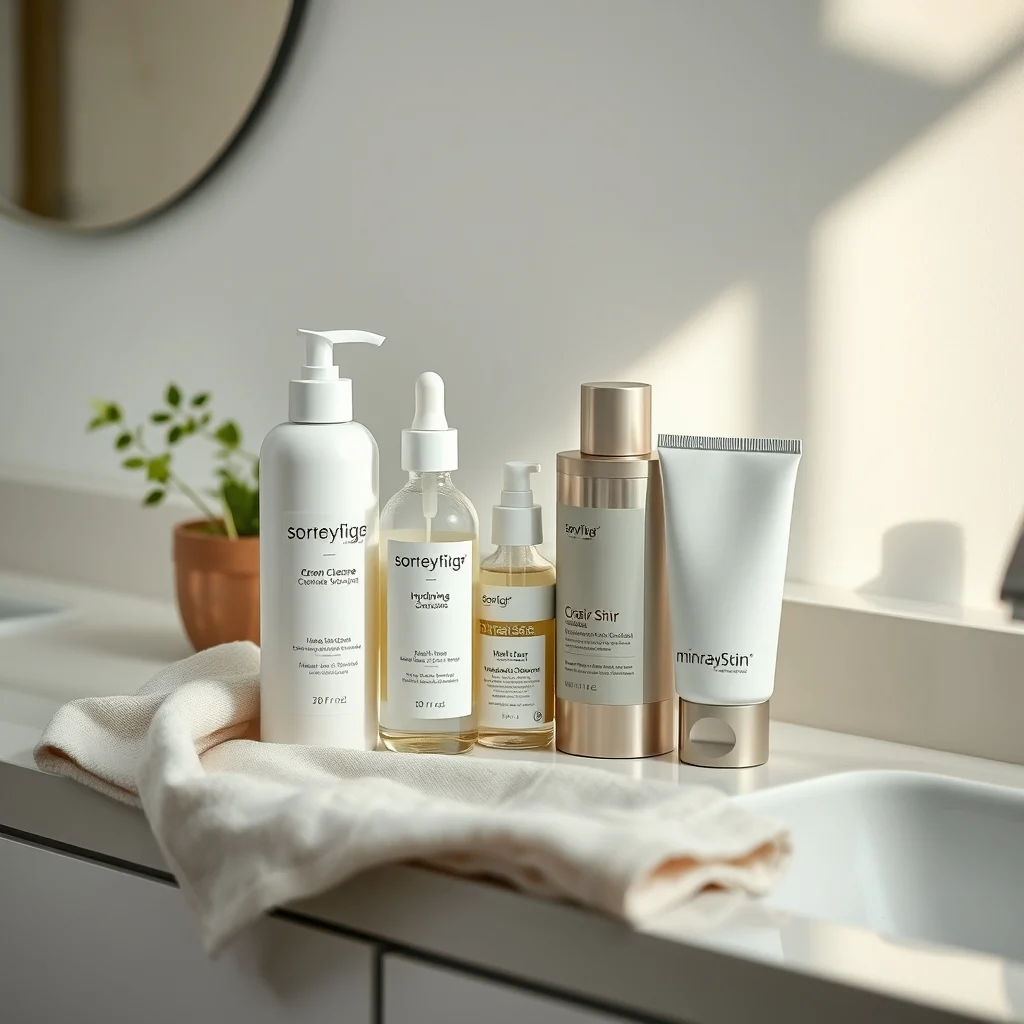
If your skin reacts to everything—from fragrances to harsh winds—you’re not alone. Many people with sensitive skin struggle to find products that soothe rather than irritate, often ending up with redness, tightness, or breakouts. The key to calming reactive skin lies in a clean beauty routine that prioritizes barrier repair and gentle, nourishing ingredients. Unlike traditional skincare that focuses solely on results, this approach puts skin health first, ensuring long-term resilience without compromising on effectiveness.
Understanding Your Skin’s Barrier
The skin barrier is your body’s first line of defense against environmental stressors like pollution, UV rays, and bacteria. When it’s compromised, skin becomes more prone to irritation, dryness, and inflammation. For sensitive skin, maintaining this barrier is non-negotiable. Look for products with ceramides, cholesterol, and fatty acids—these ingredients mimic the skin’s natural lipids, helping to restore and strengthen its protective layer.
A damaged barrier often shows up as persistent redness, flakiness, or a stinging sensation when applying products. If this sounds familiar, it’s time to simplify your routine and focus on repair. Avoid over-exfoliating or using products with high concentrations of active ingredients like retinoids or acids, as these can further disrupt the barrier.
Choosing the Right Cleanser
Harsh cleansers strip the skin of its natural oils, leaving it vulnerable and irritated. For sensitive skin, opt for a gentle, hydrating cleanser that removes impurities without disrupting the barrier. Cream or milk-based cleansers are ideal, as they cleanse while maintaining moisture. Avoid foaming cleansers with sulfates, which can be too drying and irritating.
When cleansing, use lukewarm water instead of hot, as extreme temperatures can exacerbate sensitivity. Massage the cleanser into your skin with your fingertips in gentle, circular motions, then rinse thoroughly. Pat your face dry with a soft towel—never rub, as this can cause micro-tears in the skin.
Hydration Over Everything
Hydration is the cornerstone of any clean beauty routine for sensitive skin. Without adequate moisture, the skin barrier weakens, leading to increased sensitivity and discomfort. Incorporate a lightweight, fragrance-free hydrating serum into your routine, preferably one with hyaluronic acid or glycerin. These humectants draw water into the skin, keeping it plump and hydrated.
Follow up with a moisturizer that contains soothing ingredients like aloe vera, oat extract, or panthenol. These help calm inflammation and reinforce the skin’s natural defenses. For extra protection, consider using a facial oil with squalane or jojoba oil—these mimic the skin’s sebum, providing a protective seal without clogging pores.
Sun Protection Without the Irritation
Sun protection is essential for all skin types, but many sunscreens contain chemicals or fragrances that can irritate sensitive skin. Mineral sunscreens with zinc oxide or titanium dioxide are the best choice, as they sit on top of the skin and reflect UV rays without causing irritation. Look for formulas labeled “non-nano” to avoid potential penetration into the skin.
Apply sunscreen as the last step in your morning routine, and reapply every two hours if you’re spending time outdoors. If you wear makeup, opt for a tinted mineral sunscreen that doubles as a light foundation. This minimizes the number of products on your skin, reducing the risk of irritation.
Simplifying Your Routine
Less is more when it comes to sensitive skin. Overloading your skin with too many products can lead to irritation and breakouts. Stick to a simple routine with a cleanser, hydrating serum, moisturizer, and sunscreen. If you want to incorporate active ingredients like vitamin C or niacinamide, introduce them one at a time and monitor your skin’s reaction.
Patch-test new products before applying them to your face. Apply a small amount to your inner arm or behind your ear and wait 24 hours to see if any irritation occurs. This simple step can save you from potential flare-ups and discomfort.
Lifestyle Habits for Healthier Skin
Your skincare routine isn’t just about the products you use—it’s also about your lifestyle. Stress, diet, and sleep all play a role in skin health. Chronic stress can trigger inflammation, leading to sensitivity and breakouts. Practice stress-reducing activities like yoga, meditation, or deep breathing to keep your skin calm and balanced.
Stay hydrated by drinking plenty of water throughout the day, and eat a diet rich in antioxidants, omega-3 fatty acids, and vitamins. Foods like berries, avocados, and fatty fish can help reduce inflammation and support skin repair. Finally, aim for 7-9 hours of sleep each night—your skin does its best repair work while you rest.
Building a clean beauty routine for sensitive skin doesn’t have to be complicated. By focusing on barrier repair, gentle ingredients, and simplicity, you can create a routine that soothes, protects, and strengthens your skin over time. Start with the basics, listen to your skin’s needs, and adjust as you go. Your skin will thank you for the care and attention, revealing a calmer, more resilient complexion.
For more information on skincare ingredients and their safety, visit the American Academy of Dermatology.
You may also like
-
Clean Beauty Routines: A Beginner’s Step-by-Step Guide to Glowing Skin
-
Clean Beauty Routines: A Barrier-First Approach for Lasting Skin Health
-
Clean Beauty Routines: A Beginner’s Step-by-Step Guide to Glowing Skin
-
Clean Beauty Routines: A Barrier-First Approach for Lasting Skin Health
-
Rutinitas Kecantikan Alami: Panduan Lengkap untuk Kulit Sehat Tanpa Kompromi