Navigating the world of skincare can feel like decoding a secret language, especially when terms like clean vs conventional beauty myths get thrown around. Many assume that clean beauty is inherently safer or that conventional products are always harsh, but the truth is far more nuanced. Skinimalism—the art of simplifying your routine while prioritizing skin health—has become a buzzword, yet misconceptions about it persist. If you’ve ever wondered whether your skincare choices are truly serving your skin or just following trends, this guide will help you separate fact from fiction.
Myth 1: Clean Beauty Is Always Safer Than Conventional
One of the biggest clean vs conventional beauty myths is the assumption that “clean” automatically means safer. While clean beauty brands often avoid controversial ingredients like parabens or sulfates, safety isn’t guaranteed just by slapping a “natural” label on a product. Some natural ingredients, such as essential oils or citrus extracts, can be irritating or sensitizing, especially for reactive skin. On the flip side, conventional products undergo rigorous testing and may include synthetic ingredients that are both effective and gentle.
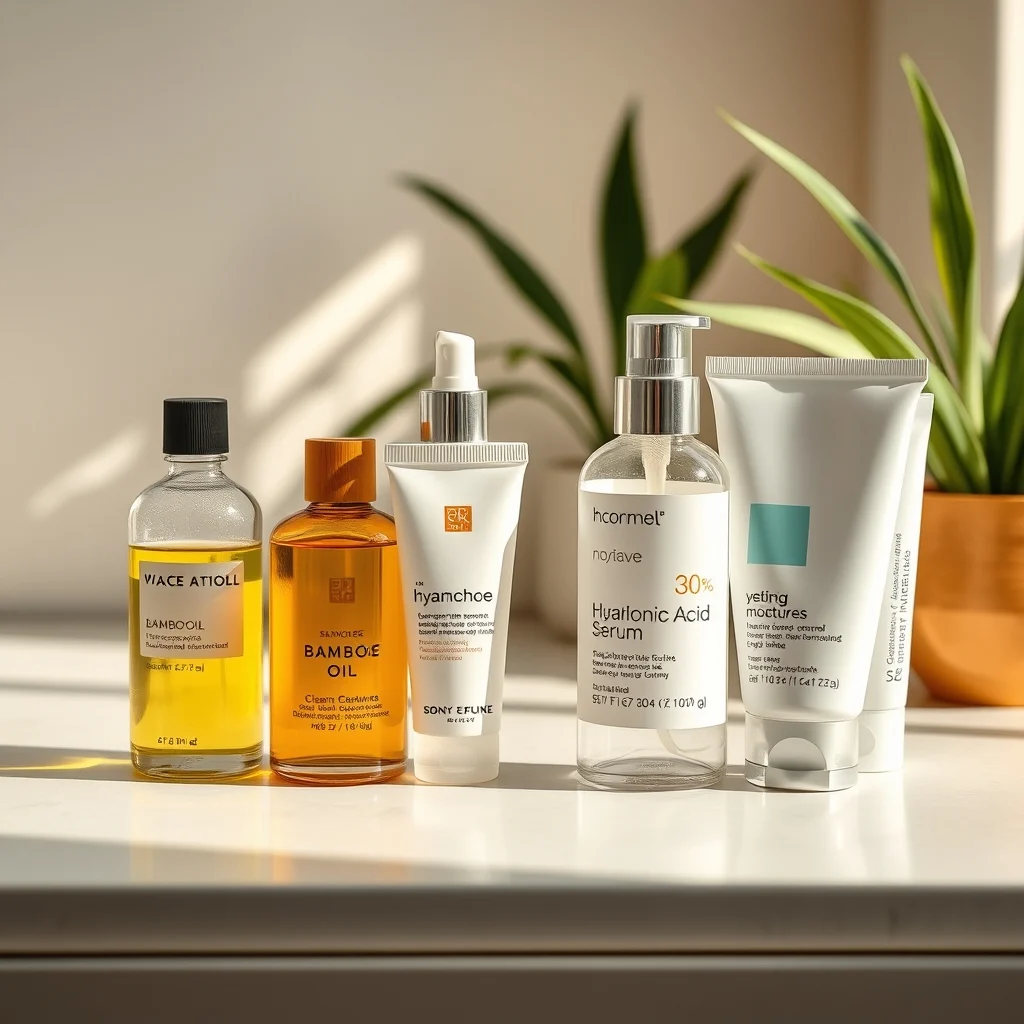
What matters most is understanding your skin’s needs rather than blindly trusting labels. For example, a conventional moisturizer with hyaluronic acid might be more hydrating for dry skin than a clean alternative with heavy botanical extracts. The key is to focus on formulations that work for your skin type, not just marketing claims.
Myth 2: More Products Equal Better Results
Skinimalism challenges the idea that a 10-step routine is necessary for healthy skin. Many people fall into the trap of layering serums, toners, and treatments, thinking more equals better. In reality, overloading your skin can disrupt its natural barrier, leading to irritation, breakouts, or sensitivity. A minimalist approach—using just a few well-chosen products—can often yield better results by allowing your skin to function optimally.
Start by identifying your skin’s core needs. If hydration is your priority, a simple routine with a gentle cleanser, moisturizer, and sunscreen may be all you need. Adding too many active ingredients, like exfoliants or retinoids, can do more harm than good if your skin isn’t ready for them. Less can truly be more when it comes to skincare.
Myth 3: Conventional Products Are Full of Harmful Chemicals
Another common misconception is that conventional beauty products are packed with “toxic” chemicals. While it’s true that some ingredients have raised concerns, many synthetic compounds are safe and effective when used correctly. For instance, preservatives like phenoxyethanol are crucial for preventing bacterial growth in products, and they’re widely regarded as safe by regulatory bodies like the FDA.
The fear of chemicals often stems from misinformation. Instead of avoiding all synthetic ingredients, focus on those that have been well-researched and proven safe. If you’re unsure, patch-testing a product before full application can help you gauge how your skin reacts. Knowledge, not fear, should guide your choices.
Myth 4: Clean Beauty Is Always More Expensive
The idea that clean beauty comes with a hefty price tag is another myth that needs debunking. While some clean brands do charge a premium, there are plenty of affordable options that deliver great results. Similarly, not all conventional products are budget-friendly—some high-end brands charge just as much for their formulations.
To make smart choices, compare ingredients and reviews rather than price tags. A drugstore moisturizer with ceramides might be just as effective as a luxury clean alternative. The goal is to find products that work for your skin and your wallet, not to assume that one category is inherently superior.
Myth 5: You Need to Choose One Side Forever
Perhaps the biggest myth of all is that you must commit entirely to either clean or conventional beauty. The reality is that skincare isn’t black and white—it’s about finding what works for you. Some people thrive with a mix of both, using clean products for certain steps and conventional ones for others. Your routine can evolve as your skin’s needs change.
For example, you might use a clean sunscreen during the day but opt for a conventional retinoid at night. The best routine is the one that keeps your skin healthy and happy, not the one that adheres to rigid rules. Flexibility is key.
Myth 6: Skinimalism Means Giving Up on Results
Some worry that embracing skinimalism means sacrificing the results they’ve worked hard to achieve. This couldn’t be further from the truth. A simplified routine can actually enhance your skin’s health by reducing irritation and allowing it to repair itself. The focus shifts from chasing trends to nurturing your skin’s natural balance.
If you’re used to a multi-step routine, start by eliminating one product at a time to see how your skin responds. You might find that your complexion looks brighter and more even with fewer products. Skinimalism isn’t about deprivation—it’s about efficiency and effectiveness.
At the end of the day, the best skincare routine is the one that aligns with your skin’s unique needs. Whether you lean toward clean, conventional, or a mix of both, the goal is to make informed choices that prioritize health over hype. Start by listening to your skin, and let that be your guide as you navigate the ever-changing world of beauty.
You may also like
-
Clean vs. Conventional Beauty: A Barrier-First, Skinimalism Approach
-
Clean vs. Conventional Beauty: Step-by-Step Guide for Beginners
-
Clean vs. Conventional Beauty: What Most People Get Wrong About Oily Skin
-
Clean vs. Conventional Beauty: What Most People Get Wrong About Glass Skin 2.0
-
Clean vs Conventional Beauty: Quick Tips for Busy People