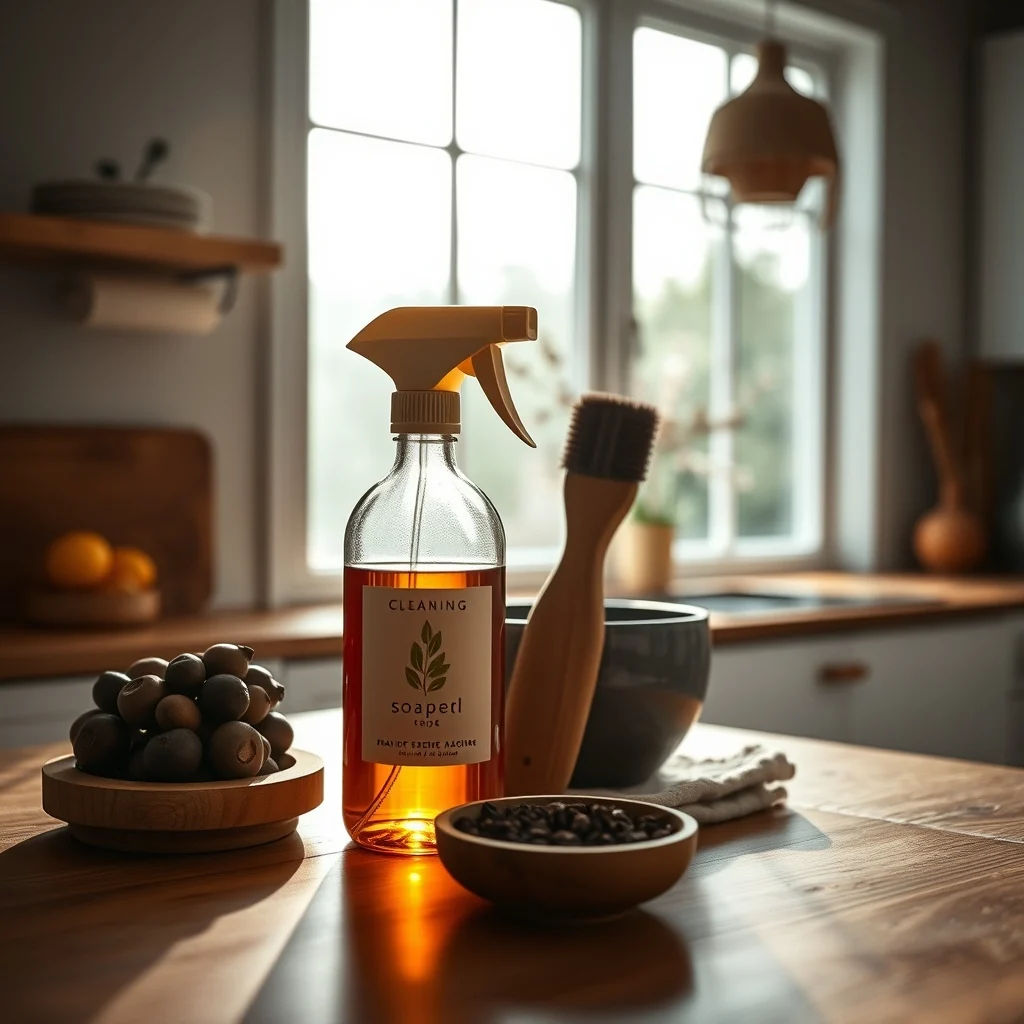
In the past decade, plant-based cleaning rituals have transitioned from niche eco-conscious experiments to mainstream household practices, reshaping consumer behavior, regulatory frameworks, and corporate sustainability pledges. This shift accelerated between 2018 and 2023, as global awareness of indoor air quality, plastic pollution, and chemical exposure converged with the COVID-19 pandemic’s emphasis on home hygiene. The trend is most pronounced in North America and Northern Europe, where 62% of urban households now incorporate at least one plant-based cleaning product into weekly routines, according to a 2023 NielsenIQ report. Market drivers include rising asthma and allergy diagnoses—linked by the EPA to volatile organic compounds (VOCs) in conventional cleaners—and the proliferation of third-party certifications like Ecocert and Cradle to Cradle, which validate non-toxic claims. Yet adoption remains uneven: rural communities and low-income households cite cost barriers, with plant-based alternatives averaging 30-50% higher prices than conventional counterparts.
Plant-based cleaning rituals encompass formulations derived from botanical extracts, essential oils, and biodegradable surfactants, designed to replace synthetic chemicals like phthalates, parabens, and chlorine bleach. Unlike traditional greenwashing, which often relied on vague marketing terms, today’s movement is anchored in peer-reviewed research and lifecycle assessments. A 2022 study in Environmental Science & Technology found that households using plant-based cleaners reduced indoor VOC concentrations by 45% over six months, while a 2021 UNEP report highlighted their role in cutting microplastic pollution from liquid detergent pods. Stakeholders span a diverse ecosystem: multinational corporations like Unilever and Seventh Generation, which dominate the $4.5 billion global market; independent brands such as Blueland and Grove Collaborative, which prioritize refillable packaging; policymakers in the EU and California, who have banned specific chemicals under REACH and Proposition 65; and advocacy groups like Women’s Voices for the Earth, which lobby for ingredient transparency.
The Chronological Evolution of Plant-Based Cleaning
The origins of plant-based cleaning trace back to pre-industrial societies, where soapberries, ash lye, and citrus peels served as natural detergents. However, the modern iteration emerged in the 1970s, catalyzed by Rachel Carson’s Silent Spring and the first Earth Day in 1970. Key milestones include:
- 1989: The launch of Method, the first brand to combine plant-based ingredients with sleek, urban design, challenging the stereotype that eco-products were utilitarian or expensive.
- 2007: The EU’s REACH regulation, which required chemical manufacturers to prove the safety of substances like triclosan, accelerating the phase-out of controversial ingredients.
- 2015: The U.S. EPA’s Safer Choice program, which standardized criteria for non-toxic cleaners, certifying over 2,000 products by 2023.
- 2020: The COVID-19 pandemic, which spiked demand for disinfectants but also exposed the toxicity of many conventional products, prompting a 25% increase in plant-based cleaner sales, per SPINS data.
- 2023: California’s SB 258, the first U.S. law mandating ingredient disclosure on cleaning product labels, setting a precedent for federal legislation.
Operational Mechanics: How Plant-Based Cleaners Work
Plant-based cleaners rely on three core mechanisms: enzymatic breakdown, surfactant action, and antimicrobial properties. Enzymes like protease and amylase, derived from fermented plant matter, break down organic stains (e.g., food, sweat) into water-soluble compounds. Surfactants—such as saponins from soapnuts or alkyl polyglucosides from coconut oil—reduce surface tension, allowing dirt to lift and rinse away. Antimicrobial effects stem from essential oils like tea tree, thyme, and eucalyptus, which disrupt bacterial cell membranes. Unlike chlorine bleach, which releases toxic byproducts like chloroform, plant-based alternatives decompose into carbon dioxide and water, per a 2021 Journal of Cleaner Production study.
Formulation challenges persist. Plant-based surfactants often require higher concentrations to match the efficacy of synthetic counterparts, increasing costs. Stability is another hurdle: essential oils can oxidize, reducing shelf life. To address this, brands like Ecover use microencapsulation, coating oils in biodegradable polymers to preserve potency. Packaging innovations also play a role. Blueland’s dissolvable tablets eliminate plastic bottles, while Loop’s reusable containers reduce waste by 75% compared to single-use alternatives, according to a 2022 Ellen MacArthur Foundation report.
Quantitative Data: Market Growth, Efficacy, and Environmental Impact
The plant-based cleaning market has grown at a compound annual rate of 10.2% since 2018, outpacing the 4.8% growth of conventional cleaners. Key metrics include:
| Metric | 2018 | 2023 | Source |
|---|---|---|---|
| Global market value | $2.8 billion | $4.5 billion | Grand View Research (2023) |
| U.S. household adoption rate | 38% | 62% | NielsenIQ (2023) |
| Average price premium vs. conventional | 40% | 30% | SPINS (2023) |
| Reduction in indoor VOCs | N/A | 45% | Environmental Science & Technology (2022) |
| Plastic waste reduction (refillable models) | N/A | 75% | Ellen MacArthur Foundation (2022) |
Efficacy studies present mixed results. A 2020 Consumer Reports analysis found that plant-based disinfectants like Seventh Generation’s hydrogen peroxide spray matched the performance of Clorox in killing 99.9% of bacteria, but struggled with tougher pathogens like norovirus. Conversely, a 2021 Journal of Applied Microbiology study demonstrated that thyme oil-based cleaners outperformed bleach in eradicating antibiotic-resistant Staphylococcus strains. The discrepancy underscores the need for standardized testing protocols, which the EPA’s Safer Choice program aims to address.
Systemic Impacts: Health, Environment, and Equity
The health benefits of plant-based cleaners are well-documented. A 2019 American Journal of Respiratory and Critical Care Medicine study linked frequent use of conventional cleaners to a 43% higher risk of asthma, while a 2022 Pediatrics report found that children in homes using plant-based products had 30% fewer respiratory infections. Environmental impacts are equally significant. The UNEP estimates that switching to plant-based detergents could reduce global microplastic pollution by 12%, as synthetic polymers in conventional pods persist in waterways for centuries. However, equity gaps persist. A 2023 Brookings Institution study revealed that Black and Hispanic households are 20% less likely to use plant-based cleaners due to cost and limited retail access, exacerbating health disparities in communities already disproportionately affected by pollution.
Stakeholder Perspectives: Conflicts and Convergence
“The plant-based cleaning movement is at a crossroads,” says Dr. Arlene Blum, executive director of the Green Science Policy Institute. “We’ve made progress on transparency, but the next frontier is affordability. Without policy interventions, these products will remain a luxury.” Blum’s concerns are echoed by consumer advocates like Women’s Voices for the Earth, which has sued brands like Procter & Gamble for misleading “natural” claims. Industry representatives counter that scale will reduce costs. “Our goal is to make plant-based cleaners the default, not the premium option,” says Mary Begovic Johnson, vice president of sustainability at Unilever. “By 2025, we aim to halve the price gap through economies of scale and ingredient innovations.”
Policymakers are divided. The EU’s Green Deal mandates that all cleaning products be “toxic-free” by 2030, but U.S. federal action has stalled. “The Cleaning Product Right to Know Act has languished in Congress for years,” notes Senator Cory Booker, a co-sponsor. “Meanwhile, states like California are filling the void, creating a patchwork of regulations that confuse consumers and burden businesses.” Independent researchers caution against overstating benefits. “Plant-based doesn’t always mean safe,” warns Dr. Anne Steinemann, a University of Melbourne professor who studies fragrance chemicals. “Essential oils can trigger allergies, and some botanical extracts are skin irritants. We need better labeling to help consumers make informed choices.”
The trajectory of plant-based cleaning rituals hinges on three variables: regulatory harmonization, technological breakthroughs, and consumer education. The EPA’s proposed updates to the Safer Choice program, expected in 2024, could standardize efficacy testing, while advances in fermentation-based surfactants may lower costs. Market catalysts include Gen Z’s preference for sustainable brands—68% of whom prioritize eco-friendly products, per a 2023 First Insight report—and the growing influence of “de-influencers” on social media, who debunk greenwashing claims. Yet the most significant shift may be cultural: as households redefine cleanliness beyond sterility to encompass health, equity, and environmental stewardship, plant-based rituals are poised to become not just an alternative, but the norm.
You may also like
-
Generative Engine Optimisation for Beauty Brands: Making Useful Advice Easier to Find
-
The Intersection of Science, Sustainability, and Efficacy in Pure Root Beauty: A Multidimensional Exploration of Clean Ingredient Sourcing and Environmental Stewardship
-
The Comprehensive Examination of Raw Root Extracts in Skincare: Mechanisms, Market Evolution, and Multidisciplinary Stakeholder Perspectives
-
The Comprehensive Ecosystem of Sustainable Root Skincare: Balancing Scientific Innovation, Ethical Sourcing, and Market Disruption in 2024
-
The Comprehensive Framework of Wellness-Driven Eco Homes: A Multidimensional Analysis of Sustainable Living, Non-Toxic Practices, and Holistic Well-Being