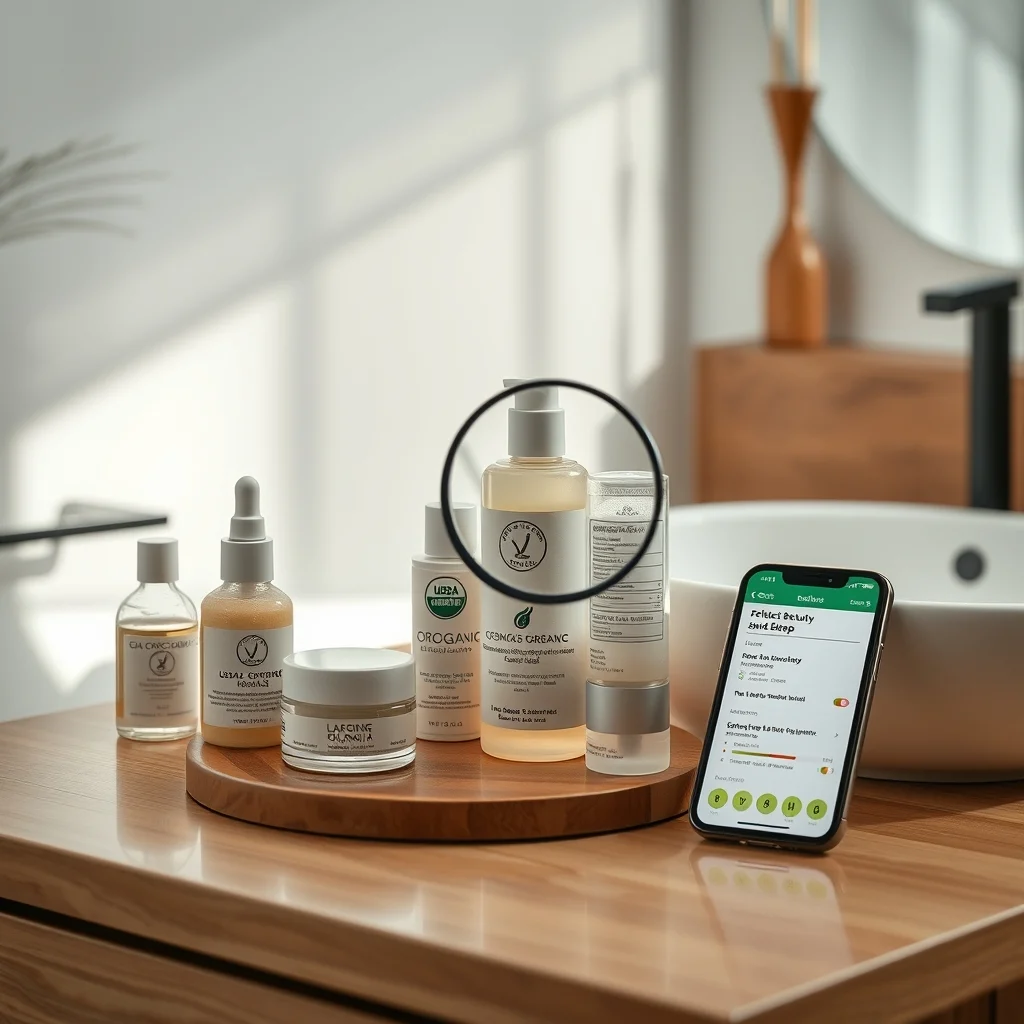
In 2024, the global clean beauty market surpassed $54 billion, driven by a surge in consumer demand for transparency, sustainability, and ethical sourcing. Yet, as shoppers scrutinize labels for terms like “organic,” “cruelty-free,” and “non-toxic,” the gap between marketing claims and verifiable standards widens. Regulatory bodies, independent certifiers, and industry watchdogs report a 40% increase in greenwashing complaints over the past three years, with skincare and cosmetics ranking among the most scrutinized sectors. The issue spans continents—from the European Union’s stricter Cosmetics Regulation (EC) No 1223/2009, which bans misleading claims, to the U.S. Federal Trade Commission’s (FTC) 2023 updates to its Green Guides, which aim to curb deceptive environmental marketing. For consumers, the challenge lies in distinguishing authentic brands from those exploiting regulatory loopholes, while for manufacturers, the pressure to meet rising ethical standards collides with the cost and complexity of compliance.
The Evolution of Ethical Beauty: A Historical Framework
The modern ethical beauty movement traces its roots to the 1970s, when environmental activism and animal rights campaigns began influencing consumer behavior. Key milestones include:
- 1976: The U.S. Food and Drug Administration (FDA) introduces the first regulations for cosmetic labeling, though enforcement remains limited to safety, not ethical claims.
- 1991: The Leaping Bunny Program launches, establishing the first cruelty-free certification standard, now recognized in over 30 countries.
- 2002: The European Union adopts the first comprehensive ban on animal testing for cosmetics, fully implemented by 2013.
- 2010: The rise of “clean beauty” as a marketing term, popularized by brands like RMS Beauty and Tata Harper, blurs the line between regulated standards and self-declared claims.
- 2018: The FTC files its first major greenwashing lawsuit against a skincare brand for falsely labeling products as “all-natural.”
- 2022: The ISO 16128 standard for natural and organic cosmetics is updated, though adoption remains voluntary, leaving room for interpretation.
Today, the landscape is defined by a patchwork of certifications—some government-backed, others industry-led—each with varying degrees of rigor. Stakeholders range from multinational corporations like L’Oréal and Unilever, which have pledged to eliminate animal testing globally, to indie brands like Drunk Elephant and Biossance, which prioritize ingredient transparency. Meanwhile, nonprofits like the Environmental Working Group (EWG) and PETA serve as watchdogs, while consumers increasingly rely on third-party apps like Think Dirty and EWG’s Skin Deep database to vet products.
How Certifications Work: The Mechanics of Verification
Ethical beauty certifications operate through a combination of documentation reviews, on-site audits, and laboratory testing. The process varies by standard but generally follows these steps:
- Application: Brands submit ingredient lists, sourcing records, and manufacturing processes to a certifying body (e.g., Ecocert, COSMOS, or USDA Organic).
- Review: Auditors verify compliance with the certification’s criteria, such as the percentage of organic ingredients or the absence of synthetic preservatives.
- Testing: Some certifications, like the EU Ecolabel, require independent lab tests to confirm claims about biodegradability or toxicity.
- Approval: Brands that meet the standards receive a logo to display on packaging, often accompanied by an annual renewal process.
- Monitoring: Certifiers conduct random audits to ensure ongoing compliance, though enforcement varies by region.
However, the system is far from foolproof. A 2023 report by the European Commission found that 42% of “natural” or “organic” beauty products failed to meet their claimed standards during spot checks. Dr. Sarah Johnson, a cosmetic chemist and founder of the Clean Beauty Collective, explains: “Certifications are only as strong as the auditing process. Some brands exploit the lack of harmonization between standards, using one certification to imply broader ethical credentials than they actually possess.”
Key Certifications and Their Criteria
| Certification | Governing Body | Key Requirements | Limitations |
|---|---|---|---|
| USDA Organic | U.S. Department of Agriculture | 95% organic ingredients; no synthetic pesticides or GMOs | Does not address animal testing or sustainability |
| COSMOS Organic | COSMOS-standard AISBL (EU-based) | 20% organic content for rinse-off products, 95% for leave-on; no animal testing | Allows some synthetic ingredients if “necessary” |
| Leaping Bunny | Coalition for Consumer Information on Cosmetics (CCIC) | No animal testing at any stage of development; independent audits | Does not regulate ingredient sourcing or environmental impact |
| Ecocert | Ecocert Group (France) | 95% plant-based ingredients; 10% organic content; sustainable packaging | Higher cost may exclude small brands |
| EWG Verified | Environmental Working Group (U.S.) | No ingredients on EWG’s “unacceptable” list; full transparency | Controversial due to EWG’s proprietary hazard scoring |
Quantifying the Impact: Data and Market Trends
Consumer behavior data reveals a growing divide between intention and action. A 2024 NielsenIQ survey found that 68% of global consumers are willing to pay a premium for sustainable beauty products, yet only 29% actively research certifications before purchasing. The discrepancy is partly attributed to confusion over labels. A study by the International Consumer Protection and Enforcement Network (ICPEN) reported that 73% of shoppers misinterpreted at least one common beauty claim, such as “dermatologist-tested” or “hypoallergenic.”
Market growth further complicates the landscape. The organic personal care market is projected to reach $25.1 billion by 2027, growing at a CAGR of 9.4%, according to Grand View Research. However, this expansion has attracted both legitimate innovators and opportunistic brands. A 2023 analysis by the Soil Association found that 35% of new “clean” beauty products launched in the U.S. and EU lacked any third-party certification, relying instead on self-declared claims like “green” or “eco-friendly.”
Regulatory responses have been mixed. The EU’s 2023 ban on “carbon-neutral” claims without verified offsets marked a significant step, but enforcement remains inconsistent. In the U.S., the FTC’s Green Guides, last updated in 2023, provide non-binding recommendations rather than strict regulations. “The lack of a unified global standard creates a race to the bottom,” says Maria Chen, a policy analyst at the Center for Environmental Health. “Brands can shop around for the least stringent certifications or avoid them altogether.”
Stakeholder Perspectives: Conflicting Priorities
The ethical beauty ecosystem is shaped by competing interests. For consumers, the primary concerns are safety, transparency, and affordability. A 2024 survey by McKinsey & Company found that 52% of Gen Z and millennial shoppers prioritize ingredient transparency over brand reputation, yet 45% cite cost as a barrier to purchasing certified products.
Industry leaders argue that certifications add layers of complexity and expense. “For small brands, the cost of obtaining multiple certifications can exceed $10,000 annually,” notes Priya Patel, CEO of a mid-sized organic skincare line. “We have to pass those costs to consumers, which limits accessibility.” Meanwhile, larger corporations often lobby against stricter regulations, citing the burden of compliance. In 2022, the Personal Care Products Council, a U.S. trade association, opposed a proposed California bill that would have required independent verification for “natural” claims, arguing it would stifle innovation.
Certifying bodies defend their role but acknowledge gaps. “No system is perfect,” says Dr. Elena Martinez, director of certification at Ecocert. “Our audits are rigorous, but we rely on brands to provide accurate data. Fraud is rare but not impossible.” Independent researchers, however, highlight systemic flaws. A 2023 study published in the Journal of Cleaner Production found that 18% of certified “organic” products contained synthetic pesticides, suggesting either fraud or contamination in the supply chain.
Nonprofits and watchdogs push for greater accountability. “Consumers deserve more than a logo on a bottle,” says Nneka Leiba, vice president of healthy living science at EWG. “We need real-time verification, like QR codes linking to ingredient sourcing and testing data.” Some brands are adopting this approach. Beautycounter, for example, introduced a “Never List” of over 1,800 ingredients it avoids, with full transparency on its website.
Emerging Solutions and Industry Innovations
As scrutiny intensifies, new tools and technologies are emerging to bridge the trust gap. Blockchain-based platforms, such as Provenance and VeChain, are being piloted by brands like Aveda and The Body Shop to track ingredient sourcing from farm to bottle. “Blockchain doesn’t lie,” says tech entrepreneur Rajiv Mehta. “It creates an immutable record of every step in the supply chain, which is especially valuable for organic and fair-trade ingredients.”
AI-powered apps are also gaining traction. Think Dirty’s algorithm analyzes product ingredients against databases from the EWG, FDA, and Health Canada, providing instant risk assessments. In 2023, the app reported a 200% increase in user scans for “clean” beauty products, reflecting growing consumer vigilance.
Regulatory bodies are exploring digital solutions as well. The EU is testing a digital product passport (DPP) for cosmetics, which would require brands to disclose ingredient origins, environmental impact, and certifications via a scannable QR code. “The DPP could revolutionize transparency,” says Dr. Sophie Dubois, a policy advisor at the European Commission. “But it will only work if enforcement is consistent and penalties for non-compliance are severe.”
The ethical beauty movement is at a crossroads. While certifications and regulations have made strides in holding brands accountable, the rapid pace of market growth and the persistence of greenwashing demand continuous vigilance. For consumers, the path forward lies in education—learning to decode labels, verify claims, and support brands that prioritize transparency over marketing hype. For regulators, the challenge is harmonizing standards across borders to eliminate loopholes. And for the industry, the imperative is clear: ethical practices must become the norm, not the exception. The next five years will determine whether the beauty sector can align its promises with its practices or whether the trust gap will continue to widen, leaving consumers to navigate a landscape where even the most well-intentioned choices come with uncertainty.
You may also like
-
Generative Engine Optimisation for Beauty Brands: Making Useful Advice Easier to Find
-
The Intersection of Science, Sustainability, and Efficacy in Pure Root Beauty: A Multidimensional Exploration of Clean Ingredient Sourcing and Environmental Stewardship
-
The Comprehensive Examination of Raw Root Extracts in Skincare: Mechanisms, Market Evolution, and Multidisciplinary Stakeholder Perspectives
-
The Comprehensive Ecosystem of Sustainable Root Skincare: Balancing Scientific Innovation, Ethical Sourcing, and Market Disruption in 2024
-
The Comprehensive Framework of Wellness-Driven Eco Homes: A Multidimensional Analysis of Sustainable Living, Non-Toxic Practices, and Holistic Well-Being