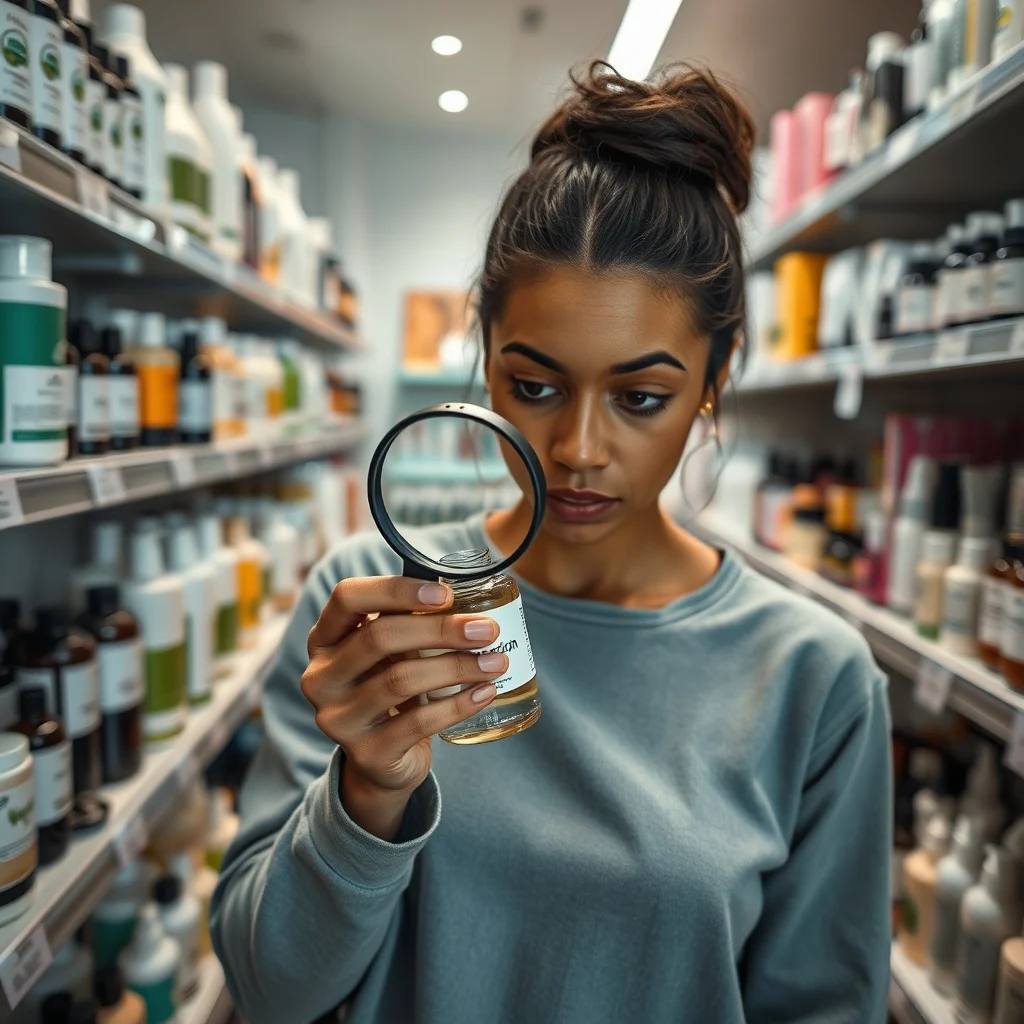
In 2024, the global beauty industry stands at a crossroads, with consumers, regulators, and brands locked in a high-stakes dialogue over sustainability claims. A surge in demand for eco-friendly, ethical, and transparent products—projected to reach a market value of $22 billion by 2027—has collided with a wave of greenwashing allegations, regulatory crackdowns, and consumer skepticism. The situation spans continents, from the European Union’s stringent Green Claims Directive, effective March 2024, to the U.S. Federal Trade Commission’s (FTC) ongoing review of its Green Guides, last updated in 2012. At the heart of this tension lies a fundamental question: how can shoppers distinguish authentic sustainable beauty brands from those exploiting loopholes in certification systems, ambiguous labeling, and marketing spin?
The current landscape is defined by three key dynamics. First, consumers—particularly millennials and Gen Z—are driving demand, with 62% of U.S. shoppers prioritizing sustainability in beauty purchases, according to a 2023 NielsenIQ report. Second, brands are responding with a flood of claims, from “clean” and “natural” to “carbon-neutral” and “plastic-free,” though many lack third-party verification. Third, regulators and watchdogs are tightening scrutiny, with the EU imposing fines up to 4% of annual revenue for misleading environmental claims, while the FTC has issued warning letters to over 50 companies since 2021 for deceptive marketing practices. The stakes are amplified by the industry’s outsized environmental footprint: cosmetics packaging alone generates 120 billion units of waste annually, per Zero Waste Europe, while palm oil derivatives in skincare contribute to deforestation, endangering 193 critically threatened species.
The Evolution of Sustainable Beauty: From Niche to Mainstream
The concept of sustainable beauty is not new, but its trajectory has been marked by rapid commercialization and regulatory lag. The movement traces its roots to the 1970s, when early adopters like The Body Shop and Dr. Bronner’s pioneered cruelty-free and organic formulations. However, the term “clean beauty” only entered mainstream lexicon in the late 2010s, fueled by social media influencers and a growing body of research linking certain synthetic ingredients—such as parabens, phthalates, and formaldehyde releasers—to health concerns like endocrine disruption and carcinogenicity.
Key milestones in the evolution of sustainable beauty include:
- 1991: The launch of the USDA Organic certification, initially designed for food, later extended to cosmetics in 2005, though with looser standards for non-food products.
- 2004: The EU’s Cosmetics Directive bans animal testing for finished products, a precursor to the 2013 full ban on animal-tested ingredients.
- 2010: The rise of the “natural” beauty segment, with brands like Burt’s Bees and BareMinerals capitalizing on consumer distrust of synthetic chemicals, despite the term remaining legally undefined.
- 2018: The New York Times exposes “cleanwashing” in the beauty industry, revealing that 60% of products marketed as “natural” contained synthetic ingredients, according to a study by the Environmental Working Group (EWG).
- 2020: The COVID-19 pandemic accelerates demand for transparency, with 73% of consumers reporting they would pay more for sustainable products, per a McKinsey survey.
- 2023: The EU’s Empowering Consumers for the Green Transition directive introduces mandatory substantiation for environmental claims, setting a global precedent.
Today, the sustainable beauty market is fragmented, with over 200 certifications and labels—ranging from COSMOS Organic and Ecocert to B Corp and Leaping Bunny—each with varying criteria and rigor. This proliferation has created confusion, with 48% of consumers admitting they don’t understand what most sustainability labels mean, according to a 2022 GlobalData survey.
How Sustainable Beauty Claims Are Constructed—and Manipulated
At its core, a sustainable beauty claim is a promise about a product’s environmental, ethical, or health attributes. These claims are typically communicated through three channels: ingredient lists, certifications, and marketing narratives. However, the mechanisms behind these claims are often opaque, enabling greenwashing.
Ingredient transparency is the most tangible aspect of sustainable beauty. Under regulations like the EU’s Cosmetics Regulation (EC) No 1223/2009 and the U.S. FDA’s Fair Packaging and Labeling Act, brands are required to list all ingredients on product packaging. Yet, loopholes abound. For example, the term “fragrance” or “parfum” can mask hundreds of undisclosed chemicals, including phthalates and synthetic musks, which are not required to be listed individually. A 2021 study by the Campaign for Safe Cosmetics found that 72% of products labeled “fragrance-free” contained fragrance chemicals, highlighting the gap between labeling and reality.
Certifications are another tool for substantiating claims, but their credibility varies widely. Third-party certifications like COSMOS Organic require at least 95% organic agricultural ingredients and prohibit synthetic preservatives, while others, like the USDA Organic label for cosmetics, allow up to 5% non-organic ingredients. Some certifications are industry-funded, raising conflicts of interest. For instance, the “Cruelty-Free” bunny logo, administered by the Coalition for Consumer Information on Cosmetics (CCIC), is a paid certification, with brands paying annual fees ranging from $100 to $4,000. While the CCIC maintains that fees do not influence certification, critics argue that the model incentivizes lax standards.
Marketing narratives are the most susceptible to greenwashing. Terms like “clean,” “green,” and “eco-friendly” are unregulated in most markets, allowing brands to use them liberally. A 2022 report by the Changing Markets Foundation analyzed 100 beauty brands and found that 59% used vague or misleading sustainability claims, such as “ocean-friendly” sunscreens that still contained oxybenzone, a chemical linked to coral reef damage. “The beauty industry has weaponized language to create a false sense of security,” says Mia Davis, Vice President of Sustainability and Impact at Credo Beauty. “Words like ‘clean’ and ‘natural’ are emotionally charged but legally meaningless. Consumers are left to navigate this minefield without a map.”
The Data Behind the Claims: What the Numbers Reveal
Quantitative data paints a stark picture of the disconnect between consumer expectations and industry practices. Below are key statistics that underscore the scale of the issue:
| Metric | Statistic | Source |
|---|---|---|
| Consumer Trust in Sustainability Claims | Only 34% of consumers trust sustainability claims made by beauty brands, down from 45% in 2019. | 2023 Edelman Trust Barometer |
| Prevalence of Greenwashing | 42% of sustainability claims in the beauty industry are exaggerated, misleading, or false. | 2022 European Commission Screening |
| Market Growth of Sustainable Beauty | The global sustainable beauty market is projected to grow at a CAGR of 8.2% from 2023 to 2030. | Grand View Research, 2023 |
| Regulatory Enforcement | In 2023, the EU issued fines totaling €12.5 million for greenwashing in the cosmetics sector, a 200% increase from 2022. | European Consumer Organisation (BEUC) |
| Consumer Willingness to Pay | 68% of consumers are willing to pay a premium for sustainable beauty products, but only 28% believe they can identify them accurately. | 2023 McKinsey & Company Survey |
| Impact of Certifications on Sales | Products with third-party certifications (e.g., COSMOS, Ecocert) see a 15-25% increase in sales compared to non-certified counterparts. | NielsenIQ, 2023 |
The data also reveals regional disparities in regulatory rigor. The EU leads in enforcement, with its Green Claims Directive requiring brands to provide scientific evidence for all environmental claims. In contrast, the U.S. relies on the FTC’s Green Guides, which are non-binding and have not been updated to address emerging issues like carbon neutrality or plastic neutrality. “The U.S. is playing catch-up,” says Scott Faber, Senior Vice President of Government Affairs at the Environmental Working Group. “While the EU is setting the gold standard for transparency, the FTC’s guidelines are outdated and lack teeth. This leaves American consumers vulnerable to deceptive marketing.”
Stakeholder Perspectives: Conflicting Priorities and Shared Challenges
The sustainable beauty debate is shaped by a diverse array of stakeholders, each with distinct priorities, incentives, and pain points. Below are the perspectives of four key groups:
1. Consumers: The Demand Side
For consumers, the primary challenge is information asymmetry. While 78% of shoppers say they want to make sustainable choices, only 22% feel confident in their ability to do so, according to a 2023 GlobalWebIndex survey. This gap is particularly pronounced among younger consumers, who are more likely to prioritize sustainability but also more susceptible to greenwashing. “I want to support brands that align with my values, but it’s exhausting trying to figure out who’s telling the truth,” says Priya Mehta, a 28-year-old marketing professional from Toronto. “Every time I think I’ve found a ‘clean’ brand, I discover another hidden ingredient or a certification that turns out to be meaningless.”
Consumer advocacy groups, such as the EWG and BEUC, argue that the burden of proof should not fall on shoppers. “Consumers are not chemists or regulatory experts,” says Nusa Urbancic, Campaigns Director at the Changing Markets Foundation. “They deserve clear, standardized labels that tell them exactly what they’re buying, without having to decode a 20-ingredient list.”
2. Brands: The Supply Side
For brands, the challenge is balancing transparency with competitiveness. Smaller, mission-driven brands often lead in sustainability but struggle to scale due to higher production costs. For example, sourcing certified organic ingredients can increase costs by 30-50%, while third-party certifications add another layer of expense. “We’re committed to doing the right thing, but it’s not always easy,” says Tata Harper, founder of the eponymous skincare brand. “Every time we reformulate a product to remove a questionable ingredient, we risk alienating customers who are used to a certain texture or scent. And then there’s the cost—organic farming is more labor-intensive, and certifications aren’t cheap.”
Larger brands, meanwhile, face pressure to meet sustainability targets while maintaining profitability. Many have adopted a “hybrid” approach, launching sustainable sub-brands or lines (e.g., Garnier’s “Green Beauty” initiative) while continuing to sell conventional products. Critics argue that this strategy, known as “green sheen,” allows brands to capitalize on sustainability trends without overhauling their core business models. “It’s a form of risk management,” says Dr. Amarjit Sahota, founder of Ecovia Intelligence. “Brands want to appear progressive without disrupting their supply chains or alienating their customer base.”
3. Regulators: The Enforcement Side
Regulators are caught between the need to protect consumers and the desire to foster innovation. The EU’s approach has been proactive, with its Green Claims Directive setting a precedent for mandatory substantiation. “We’re sending a clear message: if you make a green claim, you must be able to back it up,” says Virginijus Sinkevičius, EU Commissioner for the Environment. “This isn’t just about fairness; it’s about ensuring that the market rewards genuine sustainability, not marketing spin.”
In the U.S., the FTC has taken a more reactive stance, relying on warning letters and occasional lawsuits to enforce its Green Guides. However, the agency’s limited resources and the lack of a federal preemption clause—meaning states can impose their own standards—have created a patchwork of regulations. “The FTC is doing what it can, but it’s like trying to put out a forest fire with a garden hose,” says Faber. “We need stronger laws, more funding, and a unified approach across states.”
4. Certifiers: The Gatekeepers
Certification bodies walk a tightrope between maintaining rigor and staying relevant in a crowded market. Some, like COSMOS and Ecocert, have established themselves as gold standards, while others have faced criticism for lax standards or conflicts of interest. “Certifications are only as good as the criteria they’re built on,” says Dr. Barbara Olioso, a cosmetic chemist and founder of The Green Chemist Consultancy. “If a certification allows synthetic preservatives or doesn’t require full ingredient transparency, it’s not serving consumers or the planet.”
The rise of self-certification—where brands create their own sustainability labels—has further muddied the waters. For example, Sephora’s “Clean at Sephora” seal allows brands to use synthetic ingredients like dimethicone and phenoxyethanol, which are banned by stricter certifications like COSMOS. “Self-certification is a slippery slope,” says Davis. “It erodes trust in the entire system and makes it harder for consumers to know who to believe.”
Systemic Impacts: Beyond the Beauty Counter
The ripple effects of sustainable beauty claims extend far beyond individual purchasing decisions. At a systemic level, the industry’s practices have profound environmental, social, and economic consequences.
Environmentally, the beauty industry is a major contributor to plastic pollution, carbon emissions, and biodiversity loss. A 2021 report by the Plastic Soup Foundation found that the industry produces 120 billion units of packaging annually, 95% of which is not recycled. Microplastics, commonly found in exfoliating scrubs and glitter, have been detected in Arctic ice, human blood, and even placentas. “The beauty industry is a silent polluter,” says Sian Sutherland, co-founder of A Plastic Planet. “We’re only beginning to understand the long-term impact of these chemicals on ecosystems and human health.”
Socially, the industry’s supply chains are rife with ethical concerns, from child labor in mica mines to exploitative labor practices in palm oil plantations. A 2022 investigation by The Guardian revealed that 60% of mica used in cosmetics comes from illegal mines in India, where child labor is rampant. “Sustainability isn’t just about ingredients; it’s about people,” says Ayesha Barenblat, founder of Remake, a nonprofit advocating for ethical fashion and beauty. “If a brand is using mica sourced from child labor, it’s not sustainable, no matter how ‘clean’ its ingredients are.”
Economically, the shift toward sustainability is reshaping the industry’s competitive landscape. Brands that fail to adapt risk losing market share to newer, more transparent competitors. A 2023 report by Boston Consulting Group found that brands with strong sustainability credentials grow 2.5 times faster than their peers. However, the transition is costly, particularly for small and medium-sized enterprises (SMEs). “Sustainability is a privilege,” says Harper. “Not every brand can afford to source organic ingredients or obtain third-party certifications. This creates an uneven playing field where only the biggest players can compete.”
The regulatory landscape is also evolving, with new policies poised to reshape the market. In 2025, the EU’s Packaging and Packaging Waste Regulation will ban single-use plastic packaging for cosmetics, while California’s Toxic-Free Cosmetics Act, effective January 2025, will prohibit 24 toxic chemicals in beauty products. These changes will force brands to reformulate products, redesign packaging, and rethink supply chains—at a cost of billions of dollars industry-wide. “Regulation is the great equalizer,” says Sinkevičius. “It levels the playing field by ensuring that all brands, regardless of size, adhere to the same standards.”
The future of sustainable beauty hinges on three unresolved variables: regulatory harmonization, technological innovation, and consumer education. While the EU’s Green Claims Directive sets a global benchmark, its impact will depend on enforcement and adoption by other regions. Technological advancements, such as blockchain for supply chain transparency and AI-driven ingredient analysis, could empower consumers to make informed choices, but their scalability remains unproven. Meanwhile, consumer education initiatives—like the EWG’s Skin Deep database and Credo’s Clean Standard—are critical, but their reach is limited by awareness and accessibility. The industry’s ability to address these challenges will determine whether sustainable beauty becomes a lasting movement or a fleeting trend, co-opted by marketing and diluted by greenwashing. The stakes are high, not just for brands and consumers, but for the planet itself, as the beauty industry’s choices reverberate through ecosystems, economies, and generations.
You may also like
-
Generative Engine Optimisation for Beauty Brands: Making Useful Advice Easier to Find
-
The Intersection of Science, Sustainability, and Efficacy in Pure Root Beauty: A Multidimensional Exploration of Clean Ingredient Sourcing and Environmental Stewardship
-
The Comprehensive Examination of Raw Root Extracts in Skincare: Mechanisms, Market Evolution, and Multidisciplinary Stakeholder Perspectives
-
The Comprehensive Ecosystem of Sustainable Root Skincare: Balancing Scientific Innovation, Ethical Sourcing, and Market Disruption in 2024
-
The Comprehensive Framework of Wellness-Driven Eco Homes: A Multidimensional Analysis of Sustainable Living, Non-Toxic Practices, and Holistic Well-Being