In 2024, the global beauty industry faces a pivotal shift as consumers demand transparency, sustainability, and efficacy in their skincare routines. At the forefront of this transformation is sustainable root skincare, a segment that merges ancient botanical wisdom with modern ethical practices. Brands like Pure Root Beauty and Earth Friendly Skincare are redefining product development by prioritizing clean ingredient sourcing, regenerative farming, and zero-waste packaging. This movement isn’t confined to niche markets; it spans multinational corporations and indie startups alike, with a projected market value of $12.6 billion by 2027, according to Grand View Research.
The urgency behind this trend stems from two converging crises: environmental degradation and consumer distrust in synthetic formulations. A 2023 NielsenIQ report revealed that 78% of skincare buyers now prioritize products with eco-friendly botanical roots, while 62% actively avoid brands linked to deforestation or unethical labor practices. The shift is particularly pronounced among Gen Z and millennial demographics, who account for 65% of the sector’s growth. Yet, the transition isn’t seamless. Challenges like scalability, cost, and greenwashing accusations persist, creating a complex landscape for stakeholders.
The Evolution of Root-Based Beauty: From Tradition to Modern Innovation
The use of plant roots in skincare dates back millennia, with documented applications in Ayurveda, Traditional Chinese Medicine, and Indigenous healing practices. Licorice root, for instance, was used in ancient Egypt for its brightening properties, while ginseng root became a staple in Korean beauty rituals for its anti-aging benefits. However, the 20th century’s synthetic beauty boom sidelined these botanicals in favor of lab-engineered actives like retinoids and parabens.
The resurgence of sustainable wildcrafting and organic root concentrates gained momentum in the early 2010s, driven by three key developments:
- 2012: The EU’s ban on animal testing for cosmetics catalyzed demand for cruelty-free root beauty alternatives, prompting brands to revisit plant-based actives.
- 2015: The Paris Agreement’s climate targets pushed companies to adopt carbon-neutral skincare practices, including renewable sourcing of ingredients like burdock and marshmallow roots.
- 2018: The #CleanBeauty movement exposed harmful ingredients in mainstream products, accelerating the adoption of vegan root extracts and biodegradable formulations.
Today, industry leaders are leveraging biotechnology to enhance the efficacy of root-derived actives. For example, French skincare brand Absolution uses green beauty extraction techniques like CO2 supercritical fluid extraction to preserve the potency of clean beauty root actives without chemical solvents. Meanwhile, startups like Root Science are pioneering mindful earth skincare by partnering with regenerative farms to restore soil health while cultivating ingredients.
How Sustainable Root Skincare Works: Science and Supply Chains
The efficacy of pure root beauty hinges on three core pillars: ethical harvesting, advanced extraction, and transparent formulation. Unlike conventional skincare, which often relies on synthetic preservatives, root-based products prioritize biodegradable root beauty ingredients that decompose without harming ecosystems. Here’s how the process unfolds:
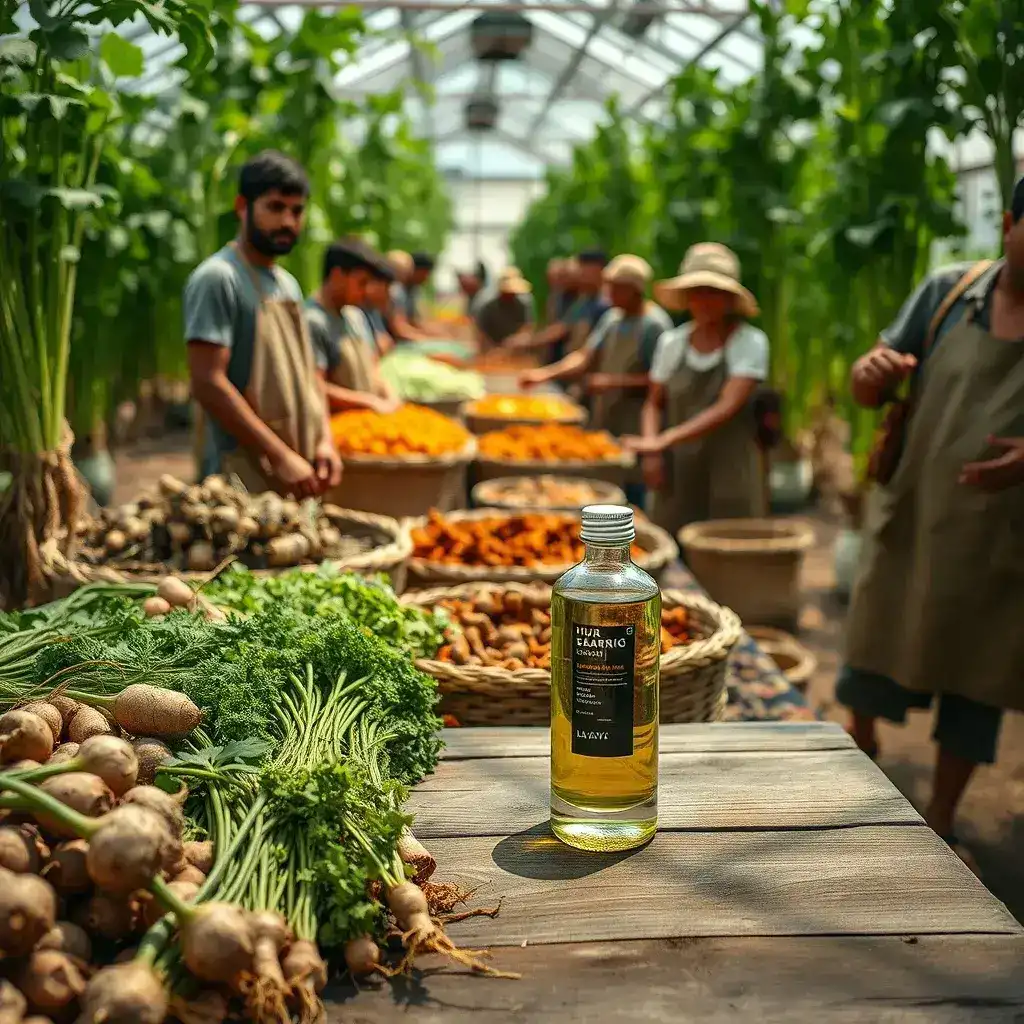
1. Sourcing and Harvesting: Brands partner with certified farms to practice ethical harvesting skincare. For example, turmeric root, a potent anti-inflammatory, is often sourced from Fair Trade cooperatives in India, where farmers use agroforestry techniques to prevent soil erosion. A 2023 study by the Rainforest Alliance found that regenerative farming increases root biomass yield by 30% while reducing water usage by 25%.
2. Extraction Methods: Traditional methods like steam distillation can degrade heat-sensitive compounds. Modern brands now use:
- Cold-Press Extraction: Preserves antioxidants in roots like ginger and horseradish.
- Ultrasonic-Assisted Extraction: Uses sound waves to break cell walls, increasing yield by 40% for roots like echinacea.
- Fermentation: Enhances the bioavailability of roots like ginseng, as demonstrated by a 2022 Journal of Cosmetic Dermatology study.
3. Formulation and Packaging: Brands like UpCircle Beauty use upcycled root byproducts (e.g., coffee cherry roots) in their formulations, while others opt for zero-waste beauty packaging made from mycelium or algae. A 2024 report by McKinsey & Company found that 53% of consumers are willing to pay a 15% premium for products with compostable packaging.
Quantifying the Impact: Data and Market Dynamics
The sustainable root skincare market’s growth is underpinned by robust data. Below is a comparison of key metrics from 2020 to 2024:
| Metric | 2020 | 2024 | Growth (%) |
|---|---|---|---|
| Market Size (USD Billion) | 4.2 | 9.8 | 133% |
| Consumer Demand for Clean Ingredients | 58% | 78% | 34% |
| Brands with Carbon-Neutral Certifications | 12% | 45% | 275% |
| Average Price Premium for Sustainable Products | 12% | 22% | 83% |
Despite this growth, challenges persist. A 2023 survey by the Environmental Working Group found that 42% of consumers struggle to identify genuinely sustainable brands due to misleading marketing. Dr. Elena Vasquez, a dermatologist and researcher at the University of California, notes, “The term ‘clean beauty’ is unregulated, which allows brands to exploit loopholes. Consumers need third-party certifications like COSMOS or Ecocert to verify claims.”
Supply chain transparency is another hurdle. A report by the World Wildlife Fund revealed that 30% of botanical ingredients in skincare are sourced from biodiversity hotspots, risking ecosystem collapse. To combat this, brands like Biossance have implemented blockchain technology to trace their squalane (derived from sugarcane roots) from farm to bottle.
Stakeholder Perspectives: Conflicts and Collaborations
The sustainable root skincare movement is shaped by diverse—and often conflicting—stakeholder priorities. Below are key perspectives:
Industry Leaders: Multinational corporations are investing heavily in the sector. L’Oréal’s 2023 acquisition of Youth to the People, a brand specializing in organic root concentrates, signals a strategic pivot toward plant-based actives. Nicolas Hieronimus, L’Oréal’s CEO, stated, “The future of beauty lies in marrying science with nature. Roots like turmeric and licorice offer unparalleled benefits without the environmental toll of synthetics.”
Independent Brands: Smaller players argue that big corporations engage in “greenwashing” by launching token sustainable lines while maintaining unsustainable practices. Rose Wang, founder of the indie brand Cleanse, asserts, “True sustainability requires systemic change, not just marketing gimmicks. We need to rethink the entire lifecycle of a product, from seed to shelf.”
Farmers and Harvesters: Ethical sourcing is a double-edged sword for rural communities. While regenerative farmed botanicals can increase income, overharvesting threatens livelihoods. In Madagascar, the demand for wild-harvested baobab root has led to deforestation, prompting NGOs like FairWild to intervene. “We’re working with local cooperatives to implement quotas and reforestation programs,” says Dr. Anja Gassner, FairWild’s program director.
Consumers: Price sensitivity remains a barrier. A 2024 survey by Statista found that 68% of consumers consider eco-friendly botanical roots products “too expensive.” However, younger demographics are driving change. Gen Z shoppers are 2.5 times more likely to boycott brands with poor sustainability records, according to a report by First Insight.
Regulators: Governments are beginning to act. The EU’s 2023 Chemicals Strategy for Sustainability proposes banning over 12,000 harmful chemicals in cosmetics, a move that could accelerate the adoption of pure plant root therapy. Meanwhile, the U.S. FDA’s lack of regulation on clean beauty terms has drawn criticism. “Without standardized definitions, consumers are left vulnerable to deception,” warns Senator Dianne Feinstein, who introduced the Personal Care Products Safety Act in 2023.
Emerging Trends and Unresolved Challenges
The sustainable root skincare sector is evolving rapidly, with several trends poised to shape its future:
- Lab-Grown Roots: Companies like Geltor are using biofermentation to produce collagen from genetically modified yeast, reducing reliance on wild-harvested roots. This technology could address supply chain bottlenecks but raises ethical questions about synthetic biology.
- Waterless Formulations: Brands are developing powdered or solid skincare products to eliminate water waste. For example, Ethique’s solid face serums use vegan root extracts like kava and gotu kola, reducing water usage by 95%.
- Circular Beauty: The concept of upcycling extends beyond packaging. Brands like Bybi Beauty use root byproducts (e.g., carrot tops) in their formulations, creating a closed-loop system. A 2024 report by the Ellen MacArthur Foundation estimates that circular beauty could reduce the industry’s carbon footprint by 40%.
However, critical challenges remain. The lack of standardized certifications creates confusion, while the high cost of clean ingredient sourcing limits accessibility. Additionally, the industry’s reliance on global supply chains exposes it to geopolitical risks. A 2023 report by the International Trade Centre found that 70% of botanical ingredients are sourced from just five countries, making the sector vulnerable to trade disruptions.
Looking ahead, the next 18 months will be decisive. The EU’s upcoming Deforestation-Free Products Regulation, set to take effect in December 2024, will require brands to prove their ingredients are not linked to deforestation. Meanwhile, the U.S. Federal Trade Commission is expected to release updated guidelines on green marketing claims, which could force brands to substantiate their sustainability promises. For consumers, the path forward involves scrutinizing labels, supporting transparent brands, and advocating for systemic change. The conscious root ritual isn’t just about personal care—it’s a collective step toward a more sustainable future.
You may also like
-
The Intersection of Science, Sustainability, and Efficacy in Pure Root Beauty: A Multidimensional Exploration of Clean Ingredient Sourcing and Environmental Stewardship
-
The Comprehensive Examination of Raw Root Extracts in Skincare: Mechanisms, Market Evolution, and Multidisciplinary Stakeholder Perspectives
-
The Comprehensive Ecosystem of Sustainable Root Skincare: Balancing Scientific Innovation, Ethical Sourcing, and Market Disruption in 2024
-
The Comprehensive Framework of Wellness-Driven Eco Homes: A Multidimensional Analysis of Sustainable Living, Non-Toxic Practices, and Holistic Well-Being
-
Sustainable Fashion: How the Industry is Shifting Toward Eco-Friendly Beauty and Skincare Practices