Ever feel overwhelmed by the endless shelves of skincare products promising miracles? You’re not alone. Many of us crave simpler, cleaner routines that align with our values—especially when it comes to sustainable & natural ingredients. The good news? Transitioning to these ingredients doesn’t have to be complicated. With the right approach, you can nourish your skin while reducing your environmental footprint, one thoughtful choice at a time.
But where do you even begin? How do you navigate the sea of options without breaking the bank or compromising on efficacy? This guide breaks down the essentials into actionable steps, ensuring you build a routine that’s as effective as it is ethical.
The American Academy of Dermatology emphasizes the importance of understanding ingredients, and this holds true whether you’re leaning toward natural or synthetic options. The key lies in making informed decisions that respect both your skin and the planet.
Why Start with Sustainable & Natural Ingredients?
Switching to sustainable & natural ingredients isn’t just a trend—it’s a thoughtful shift toward sustainability and gentler skincare. Synthetic ingredients, while often effective, can sometimes disrupt the skin’s natural balance or contribute to environmental harm. Natural ingredients, sourced responsibly, often provide nourishment without harsh side effects, making them ideal for sensitive or reactive skin types.
Beyond skin benefits, these ingredients typically come with a lower carbon footprint. Brands that prioritize sustainability often use eco-friendly packaging, ethical sourcing, and renewable resources, reducing waste and pollution. For example, plant-based oils and botanical extracts are not only biodegradable but also rich in antioxidants and vitamins that promote skin health.
Another advantage is transparency. Natural ingredients are easier to identify and understand, allowing you to avoid hidden chemicals that might irritate your skin or contribute to broader environmental issues. This clarity empowers you to take control of your skincare routine with confidence.
However, it’s worth noting that not all natural ingredients are created equal. Some may still contain allergens or require proper formulation to avoid irritation. The goal isn’t to eliminate synthetic ingredients entirely but to prioritize those that align with your values and skin’s needs.
How to Identify the Right Ingredients for Your Skin Type
Not all sustainable & natural ingredients work the same way for every skin type. If you have oily skin, you’ll want ingredients that balance sebum production and prevent clogged pores, such as tea tree oil or witch hazel. For dry or sensitive skin, hydrating ingredients like hyaluronic acid, aloe vera, or shea butter can provide much-needed moisture without irritation.
Start by assessing your skin’s current needs. Is it dehydrated, inflamed, or prone to breakouts? Once you identify the root cause, you can curate a list of ingredients that target those concerns. For instance, niacinamide is a versatile ingredient that works for multiple skin types—it helps regulate oil production, reduces redness, and strengthens the skin barrier.
When in doubt, patch-test new ingredients to ensure they don’t cause reactions. Introduce one or two new ingredients at a time to monitor how your skin responds. This gradual approach helps you build a routine that’s both effective and sustainable over time.
Building a Routine: Layering Ingredients for Maximum Benefits
Layering sustainable & natural ingredients effectively is key to unlocking their full potential. Start with a gentle cleanser—look for options with plant-based surfactants like coconut-derived saponins or decyl glucoside. Follow up with a toner or essence that hydrates and preps your skin for treatment.
Next, incorporate serums or oils tailored to your skin’s needs. For example, a vitamin C serum in the morning can brighten and protect against environmental damage, while a calming chamomile or lavender oil at night can soothe and repair. Always follow up with a moisturizer to seal in hydration—opt for plant-based butters or oils like jojoba or squalane, which mimic the skin’s natural lipids.
Don’t forget sunscreen! Even if you’re focusing on natural ingredients, broad-spectrum protection is non-negotiable. Look for mineral-based options with zinc oxide or titanium dioxide, which are both effective and gentle on the skin.
Budget-Friendly Swaps Without Compromising Quality
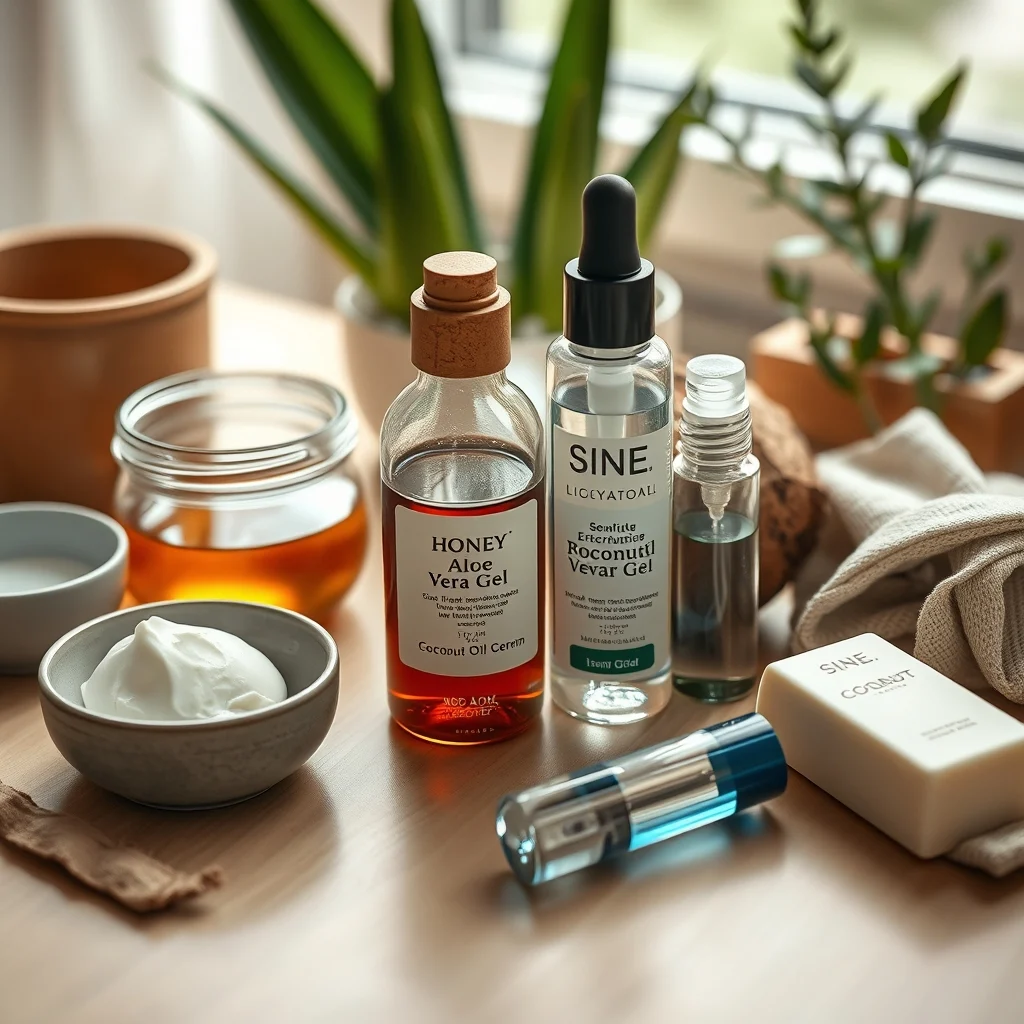
You don’t need to spend a fortune to access high-quality sustainable & natural ingredients. Many affordable options deliver impressive results without the premium price tag. For example, raw honey is a powerhouse ingredient for hydration and antibacterial properties—it’s often used in DIY face masks or mixed into moisturizers.
Store-bought alternatives like aloe vera gel (from pure, unprocessed sources) or unscented coconut oil can also be incredibly versatile. These ingredients are budget-friendly and easy to incorporate into your routine. Additionally, buying in bulk or opting for multi-use products, such as a gentle cleanser that doubles as a makeup remover, can stretch your budget further.
Another tip is to explore smaller, ethical brands that prioritize natural sourcing. While they might not be as widely marketed as big-name brands, their commitment to sustainability often translates to better ingredient quality. Reading labels and comparing prices can help you find the best value without sacrificing effectiveness.
Common Mistakes to Avoid When Transitioning
One of the biggest pitfalls when switching to sustainable & natural ingredients is expecting overnight results. Natural skincare often works more slowly but more holistically, so patience is key. Rushing into a new routine can lead to frustration or even irritation if your skin isn’t given time to adjust.
Another mistake is neglecting to research ingredient interactions. Some natural ingredients can cancel each other out or cause reactions when combined. For example, vitamin C and retinol are both powerful actives, but they shouldn’t be used together in the same routine to avoid potential irritation. Always check compatibility before layering ingredients.
Lastly, don’t overlook the importance of consistency. Skincare is a marathon, not a sprint. Even the most effective sustainable & natural ingredients require regular use to show noticeable improvements. Stick with your routine for at least four to six weeks before assessing its effectiveness.
Enhancing Your Routine with Mindful Practices
Beyond ingredients, adopting mindful practices can elevate your sustainable skincare journey. Start by reducing waste—opt for refillable or solid products like bars of soap or shampoo to minimize plastic use. Repurpose empty containers creatively or recycle them properly to further cut down on environmental impact.
Educate yourself on ethical sourcing. Look for certifications like USDA Organic, Fair Trade, or EcoCert, which indicate that ingredients are grown and harvested responsibly. Supporting brands that prioritize transparency and sustainability ensures that your skincare choices align with your values.
Finally, consider the long-term impact of your routine. Sustainable skincare isn’t just about the products you use today—it’s about fostering a relationship with your skin and the planet that lasts. Small, intentional changes add up over time, creating a routine that’s as kind to your skin as it is to the environment.
Ready to take the first step? Start by swapping one product in your routine with a sustainable alternative. Whether it’s your cleanser, moisturizer, or sunscreen, every change counts. Your skin—and the planet—will thank you.
You may also like
-
Sustainable & Natural Ingredients: A Beginner’s Guide to Nourished Skin
-
Sustainable Ingredients: A Beginner’s Guide to Natural Skincare Without the Hype
-
Natural Ingredients for Skin: A Beginner’s Guide to Sustainable Skincare
-
Sustainable Skincare Starter: Natural Ingredients for Glowing Skin
-
Bahan Alam & Berkelanjutan untuk Kulit: Panduan Lengkap untuk Pemula