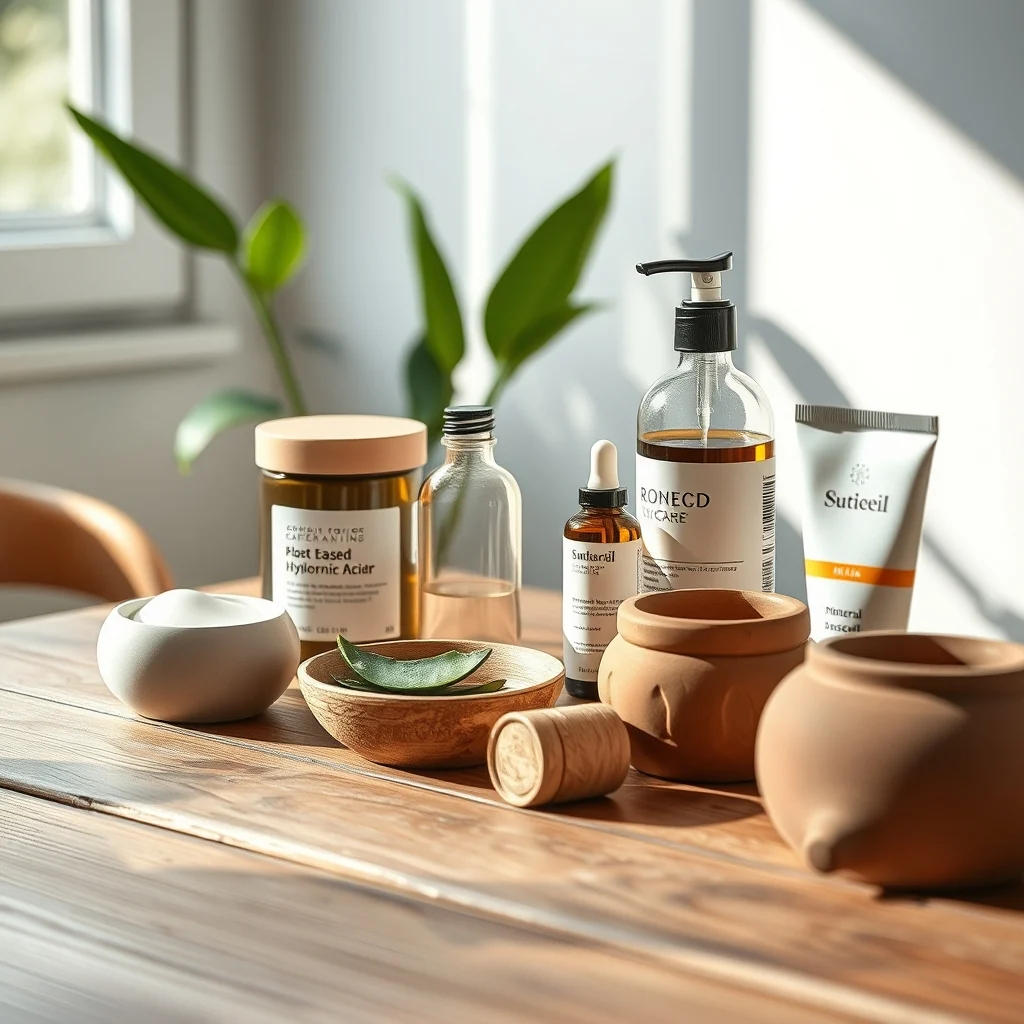
Tired of skincare routines that feel overwhelming or leave your skin feeling stripped and irritated? The key to lasting skin health might lie in embracing a sustainable and natural ingredients approach that prioritizes your skin’s natural barrier. Many people overlook the importance of nurturing this protective layer, which keeps moisture in and irritants out. By focusing on gentle, plant-based actives and avoiding harsh chemicals, you can achieve balanced, resilient skin without compromising on sustainability.
This guide will walk you through the essentials of building a skincare routine centered around natural ingredients, ensuring your skin stays protected and nourished.
Why a Barrier-First Approach Matters
Your skin’s barrier is your first line of defense against environmental stressors, pollution, and bacteria. When this barrier is compromised—often due to over-exfoliation, harsh cleansers, or synthetic ingredients—your skin becomes more susceptible to dryness, redness, and irritation. A sustainable and natural ingredients approach focuses on repairing and strengthening this barrier while avoiding ingredients that disrupt it. Think of it as giving your skin the foundation it needs to thrive.
Natural ingredients like hyaluronic acid, ceramides, and plant oils are excellent for reinforcing the skin’s moisture barrier. These ingredients are not only effective but also eco-friendly, as they are derived from renewable resources and often biodegradable. By choosing products with these actives, you’re not just benefiting your skin but also the planet.
Transitioning to a barrier-first routine doesn’t mean sacrificing results. Many natural ingredients, such as aloe vera and chamomile, have soothing properties that calm irritation while promoting healing. Incorporating these into your routine can lead to smoother, more resilient skin over time.
Essential Natural Ingredients for a Stronger Barrier
When selecting sustainable and natural ingredients, focus on those known for their skin-repairing properties. Ceramides, for example, help restore the skin’s lipid layer, locking in moisture and preventing water loss. You’ll find ceramides in products like shea butter, coconut oil, and certain plant extracts.
Another powerful ingredient is squalane, a lightweight oil derived from olives or sugarcane. It mimics the skin’s natural oils, making it an excellent moisturizer that doesn’t clog pores. For those with sensitive skin, ingredients like oat extract or panthenol (provitamin B5) can soothe and hydrate without causing irritation.
Don’t overlook the power of antioxidants in natural ingredients. Green tea extract, for instance, helps combat free radicals that can weaken the skin barrier. Incorporating antioxidants into your routine can protect your skin from environmental damage while supporting its natural repair processes.
How to Transition to Natural Ingredients Without Disrupting Your Skin
Switching to a routine built around sustainable and natural ingredients doesn’t have to be abrupt. Start by replacing one product at a time to allow your skin to adjust. For example, swap your synthetic moisturizer for a plant-based alternative rich in ceramides or squalane. This gradual approach minimizes the risk of irritation while helping your skin adapt to the new ingredients.
Pay attention to how your skin responds to each new product. If you notice redness, itching, or dryness, it might be a sign that the ingredient isn’t suitable for your skin type. In that case, consider patch-testing new products or consulting a dermatologist for personalized advice. For more guidance on skincare adjustments, you can explore resources like those available at aad.org.
Another tip is to avoid overloading your routine with too many new ingredients at once. Stick to a few key natural actives—like hyaluronic acid and aloe vera—to start, and build from there. This mindful approach ensures your skin gets the nourishment it needs without feeling overwhelmed.
Avoiding Common Pitfalls with Natural Ingredients
While sustainable and natural ingredients are generally gentle, there are still a few pitfalls to avoid. Not all natural ingredients are created equal, and some—like citrus oils or high concentrations of menthol—can be irritating, especially for sensitive skin. Always check the label for potential allergens or sensitizers.
Another mistake is assuming that natural means safe for everyone. Even plant-based ingredients can trigger reactions in some individuals. If you have a known sensitivity to certain plants or extracts, opt for hypoallergenic or fragrance-free options. When in doubt, start with minimalist formulations to test your skin’s tolerance.
Lastly, don’t fall for the myth that natural ingredients are always better than synthetic ones. Some synthetic ingredients, like certain sunscreens or preservatives, are formulated to be highly effective and safe when used correctly. The key is balance—choosing ingredients that align with your skin’s needs while being mindful of sustainability.
Building a Routine Around Natural Ingredients
Creating a skincare routine centered around sustainable and natural ingredients starts with understanding your skin’s unique needs. For example, if you have dry skin, prioritize ingredients like shea butter or jojoba oil to deeply hydrate. Oily skin may benefit from lighter oils like argan or rosehip, which balance sebum production without clogging pores.
A simple yet effective routine could include a gentle cleanser with plant-based surfactants, a serum with hyaluronic acid or peptides, and a moisturizer rich in ceramides. For extra protection, consider adding a mineral-based sunscreen, which is often free from synthetic filters that may irritate sensitive skin.
Remember, consistency is key. Give your skin time to adjust to new ingredients, and don’t be discouraged if you don’t see immediate results. Natural ingredients work holistically, supporting your skin’s long-term health rather than providing quick fixes.
As you refine your routine, listen to your skin. If it feels balanced, hydrated, and protected, you’re on the right track. Over time, you’ll likely notice improved texture, reduced sensitivity, and a natural glow—all while making choices that are kinder to both your skin and the environment.
You may also like
-
Sustainable & Natural Ingredients: Your Step-by-Step Guide to Healthier Skin
-
Sustainable & Natural Ingredients: A Beginner’s Guide to Nourished Skin
-
Sustainable Ingredients: A Beginner’s Guide to Natural Skincare Without the Hype
-
Natural Ingredients for Skin: A Beginner’s Guide to Sustainable Skincare
-
Sustainable Skincare Starter: Natural Ingredients for Glowing Skin