The beauty industry has witnessed a surge in demand for natural, organic, and sustainable products, with the global clean beauty market projected to reach $22 billion by 2024, according to a 2023 report by Grand View Research. This growth has been driven by consumers—particularly millennials and Gen Z—who prioritize transparency, ethical sourcing, and environmental responsibility. However, the rise in demand has also led to an increase in misleading marketing tactics, commonly referred to as “greenwashing,” where brands falsely claim to be natural, organic, or eco-friendly. The issue is pervasive, with a 2022 study by the Environmental Working Group (EWG) finding that 60% of beauty products marketed as “natural” contained synthetic ingredients or undisclosed chemicals.
Greenwashing in the beauty industry is not a new phenomenon. Its roots trace back to the early 2000s when brands began capitalizing on the growing consumer interest in sustainability. However, the problem has intensified in recent years due to the lack of standardized regulations governing terms like “natural,” “clean,” and “organic.” Unlike the food industry, where the U.S. Department of Agriculture (USDA) enforces strict guidelines for organic labeling, the beauty industry operates in a regulatory gray area. This has allowed brands to exploit loopholes, using vague or unverified claims to appeal to conscious consumers. Key stakeholders in this landscape include regulatory bodies like the U.S. Food and Drug Administration (FDA) and the European Commission, industry associations such as the Personal Care Products Council (PCPC), independent certification organizations like Ecocert and COSMOS, and consumer advocacy groups like the EWG and the Campaign for Safe Cosmetics.
The Historical Context: How Greenwashing Became a Systemic Issue
The evolution of greenwashing in the beauty industry can be divided into three distinct phases:
- Early 2000s: The Rise of “Natural” Marketing
Brands began using terms like “natural” and “botanical” without clear definitions or third-party verification. The FDA issued its first warning letters to companies making unsubstantiated claims in 2002, but enforcement remained inconsistent. - 2010s: The Organic Labeling Loophole
The USDA’s National Organic Program (NOP) introduced standards for organic cosmetics in 2009, but compliance was voluntary. Brands exploited this by using the term “organic” without certification, leading to lawsuits and consumer backlash. In 2015, the Federal Trade Commission (FTC) updated its Green Guides to address deceptive environmental claims, but the beauty industry remained largely unregulated. - 2020s: The Era of “Clean” Beauty and Certification Proliferation
The term “clean beauty” emerged as a marketing buzzword, often used interchangeably with “natural” or “non-toxic.” Independent certifications like COSMOS, Ecocert, and the Leaping Bunny Program gained prominence, but their standards varied widely. A 2021 report by the Changing Markets Foundation found that 40% of products with sustainability certifications still contained harmful ingredients.
How Greenwashing Operates: The Mechanics of Deceptive Marketing
Greenwashing in the beauty industry relies on several common tactics, each designed to mislead consumers into believing a product is safer, more sustainable, or more ethical than it actually is. These tactics include:
- Vague or Undefined Terms
Words like “pure,” “green,” and “eco-friendly” are often used without clear definitions or third-party verification. A 2023 study by the International Journal of Consumer Studies found that 72% of consumers could not accurately define what “clean beauty” meant, yet 68% reported purchasing products labeled as such. - Misleading Imagery and Packaging
Brands use earthy tones, botanical illustrations, and minimalist designs to create the illusion of naturalness. A 2022 analysis by the nonprofit Truth in Advertising (TINA) revealed that 35% of products with “natural” claims featured packaging designed to evoke sustainability, despite containing synthetic ingredients. - Selective Ingredient Highlighting
Brands emphasize a single natural or organic ingredient while omitting the presence of synthetic or harmful components. For example, a product may advertise “aloe vera” on the front label while containing parabens or phthalates in the ingredient list. - False Certifications
Some brands create their own “certification” logos or use unofficial seals to imply third-party verification. The FTC has cracked down on this practice, issuing fines to companies like Truly Organic and Moon Juice for falsely claiming their products were certified organic.
Quantitative Data: The Scale of the Problem
The prevalence of greenwashing in the beauty industry is supported by empirical data from multiple sources. The following table summarizes key findings from recent studies:
| Study/Report | Year | Key Finding | Source |
|---|---|---|---|
| Environmental Working Group (EWG) | 2022 | 60% of products labeled “natural” contained synthetic ingredients or undisclosed chemicals. | EWG Skin Deep Database |
| Changing Markets Foundation | 2021 | 40% of products with sustainability certifications contained harmful ingredients like microplastics or endocrine disruptors. | Changing Markets Foundation Report |
| International Journal of Consumer Studies | 2023 | 72% of consumers could not define “clean beauty,” yet 68% purchased products labeled as such. | Peer-Reviewed Study |
| Federal Trade Commission (FTC) | 2020 | 20% of environmental marketing claims in the beauty industry were deceptive or unsubstantiated. | FTC Green Guides Update |
Systemic Impacts: Consumer Trust, Industry Standards, and Regulatory Gaps
The consequences of greenwashing extend beyond individual consumer deception. The practice has eroded trust in the beauty industry, with a 2023 survey by NielsenIQ finding that 58% of consumers now distrust sustainability claims made by beauty brands. This skepticism has led to a decline in brand loyalty, as consumers increasingly turn to independent verification tools like the EWG’s Skin Deep database or apps like Think Dirty to vet products before purchasing.
Industry standards have also been impacted. The proliferation of certifications—each with its own criteria—has created confusion among consumers and brands alike. For example, the COSMOS certification requires 95% organic ingredients, while Ecocert allows for 20% synthetic ingredients in “natural” products. This inconsistency has led to calls for harmonized standards, with organizations like the PCPC advocating for a unified global framework. “The lack of standardized definitions for terms like ‘natural’ and ‘clean’ has created a Wild West in the beauty industry,” said Dr. Linda Katz, Director of the FDA’s Office of Cosmetics and Colors, in a 2023 interview with Cosmetics Design. “Without clear regulations, consumers are left to navigate a maze of claims with little guidance.”
Regulatory gaps remain a significant barrier to addressing greenwashing. In the U.S., the FDA does not define or regulate terms like “natural” or “clean,” leaving enforcement to the FTC, which has limited resources. In contrast, the European Union’s Cosmetics Regulation (EC) No 1223/2009 provides stricter guidelines, banning over 1,300 harmful ingredients and requiring full ingredient disclosure. However, even in the EU, enforcement varies by country, and loopholes persist. “Regulation is only as strong as its enforcement,” noted Dr. Amarjit Sahota, founder of Ecovia Intelligence, in a 2022 webinar. “Brands will continue to exploit gaps until there are real consequences for misleading claims.”
Stakeholder Perspectives: Conflicting Priorities and Competing Interests
The debate over greenwashing in the beauty industry involves a diverse range of stakeholders, each with distinct priorities and perspectives.
Regulatory Bodies
Regulatory agencies like the FDA and FTC argue that their limited authority and resources hinder their ability to crack down on greenwashing. “We rely on consumer complaints and market surveillance to identify deceptive practices,” said an FTC spokesperson in a 2023 statement. “Without legislative changes, our ability to enforce against misleading claims is constrained.” In contrast, the EU has taken a more proactive approach, with the European Commission proposing new rules in 2023 to ban greenwashing and improve product labeling.
Industry Associations
The Personal Care Products Council (PCPC), which represents over 600 beauty companies, has pushed back against stricter regulations, arguing that they would stifle innovation and increase costs for consumers. “The beauty industry is already highly regulated, and additional rules would create unnecessary burdens,” said PCPC President and CEO Lezlee Westine in a 2022 press release. However, critics argue that the PCPC’s stance prioritizes corporate interests over consumer protection.
Independent Certifiers
Organizations like Ecocert and COSMOS advocate for stricter standards and greater transparency. “Certifications are only as credible as the rigor of their criteria,” said COSMOS Director Valérie Rouault in a 2023 interview. “Brands that meet our standards should be proud to display our seal, but those that don’t should not be allowed to mislead consumers.” However, the cost of certification—ranging from $500 to $10,000 per product—can be prohibitive for small brands, limiting access to verification.
Consumer Advocacy Groups
Groups like the EWG and the Campaign for Safe Cosmetics argue that self-regulation has failed and that legislative action is necessary. “The beauty industry has had decades to clean up its act, but greenwashing is worse than ever,” said EWG President Ken Cook in a 2023 op-ed. “Consumers deserve laws that hold brands accountable for their claims.” These groups have lobbied for bills like the Safe Cosmetics and Personal Care Products Act, which would give the FDA greater authority to regulate ingredients and labeling.
Consumers
Consumers, particularly younger generations, are increasingly demanding transparency and ethical practices. A 2023 survey by McKinsey & Company found that 70% of Gen Z consumers are willing to pay a premium for sustainable beauty products. However, the same survey revealed that 45% feel overwhelmed by the complexity of verifying claims. “I want to make ethical choices, but it’s hard to know who to trust,” said 28-year-old consumer Maria Chen in a focus group conducted by the EWG. “I end up spending hours researching products before I buy them.”
Verifying Claims: Tools and Strategies for Consumers
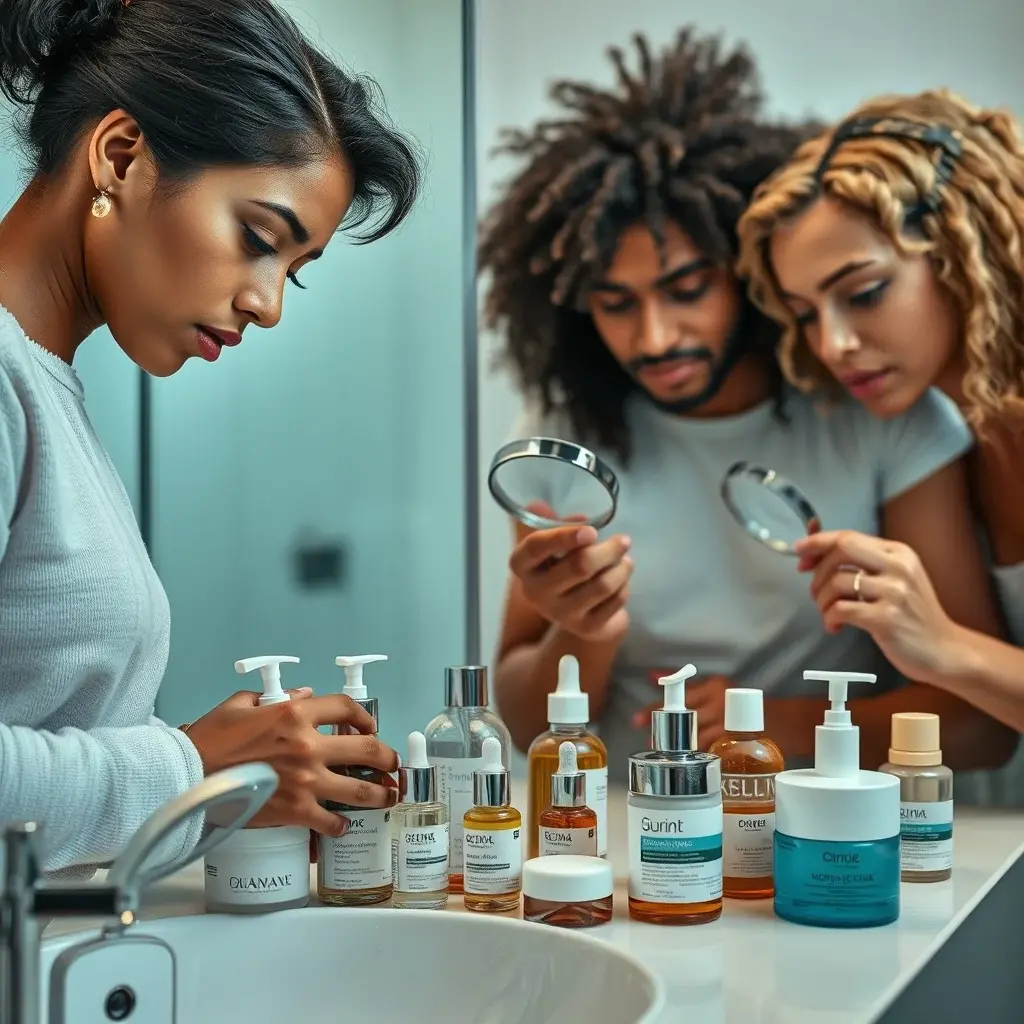
Despite the challenges, consumers can take steps to verify beauty product claims and avoid greenwashing. The following strategies are recommended by experts:
- Check for Third-Party Certifications
Look for seals from reputable organizations like COSMOS, Ecocert, USDA Organic, or the Leaping Bunny Program. Each certification has specific criteria, so familiarize yourself with their standards. For example, the Leaping Bunny certification guarantees that a product is cruelty-free, while COSMOS ensures organic and natural ingredients. - Read Ingredient Lists
Ingredients are listed in descending order of concentration, so the first few ingredients make up the bulk of the product. Avoid products with synthetic ingredients like parabens, phthalates, or synthetic fragrances, unless they are clearly disclosed and deemed safe by reputable sources. Apps like Think Dirty and EWG’s Healthy Living can help decode ingredient lists. - Research Brands’ Ethical Sourcing Practices
Brands that prioritize transparency will often provide information about their supply chains, sourcing practices, and sustainability initiatives on their websites. Look for details about fair trade, carbon neutrality, or ethical labor practices. If a brand’s website lacks this information, it may be a red flag. - Beware of Vague or Undefined Terms
Terms like “clean,” “green,” or “eco-friendly” are not regulated and can be used freely by brands. Instead, look for specific claims like “100% organic” or “cruelty-free,” and verify them with third-party certifications or independent research. - Use Independent Verification Tools
Websites like the EWG’s Skin Deep database, Think Dirty, and Good Face Project provide unbiased reviews of beauty products based on ingredient safety and transparency. These tools can help consumers make informed decisions without relying solely on brand claims.
The beauty industry stands at a crossroads, with consumer demand for transparency and sustainability colliding with regulatory gaps and corporate resistance. While certifications and independent verification tools offer some protection, the lack of standardized definitions and enforcement mechanisms leaves consumers vulnerable to greenwashing. Upcoming regulatory milestones, such as the EU’s proposed ban on greenwashing and the potential passage of the Safe Cosmetics and Personal Care Products Act in the U.S., could reshape the landscape. However, their impact will depend on enforcement and industry compliance. In the meantime, consumers must remain vigilant, leveraging available resources to navigate the complex world of clean beauty. The power to drive change lies not only in regulation but in the collective choices of informed shoppers who demand accountability from the brands they support.
You may also like
-
The Intersection of Science, Sustainability, and Efficacy in Pure Root Beauty: A Multidimensional Exploration of Clean Ingredient Sourcing and Environmental Stewardship
-
The Comprehensive Examination of Raw Root Extracts in Skincare: Mechanisms, Market Evolution, and Multidisciplinary Stakeholder Perspectives
-
The Comprehensive Ecosystem of Sustainable Root Skincare: Balancing Scientific Innovation, Ethical Sourcing, and Market Disruption in 2024
-
The Comprehensive Framework of Wellness-Driven Eco Homes: A Multidimensional Analysis of Sustainable Living, Non-Toxic Practices, and Holistic Well-Being
-
Sustainable Fashion: How the Industry is Shifting Toward Eco-Friendly Beauty and Skincare Practices