Struggling to find the right balance between clean vs conventional beauty products without compromising your skin’s health? You’re not alone. Many assume that clean beauty is inherently safer or that conventional products are always harsh, but the truth lies in understanding your skin’s unique needs—especially its protective barrier. A barrier-first, skinimalism approach cuts through the noise, focusing on simplicity and efficacy rather than trends or labels.
What Does ‘Barrier-First’ Really Mean?
The skin barrier is your body’s first line of defense against environmental stressors, moisture loss, and irritation. A barrier-first approach prioritizes ingredients and routines that strengthen this protective layer rather than stripping it away. Clean beauty often emphasizes natural or non-toxic ingredients, but not all natural ingredients are gentle—think essential oils or citrus extracts, which can disrupt the barrier. Conversely, conventional beauty may include synthetic actives like ceramides or hyaluronic acid, which are scientifically proven to support barrier function.
Instead of fixating on whether a product is “clean” or “conventional,” ask: Does this strengthen or weaken my skin barrier? This shift in perspective helps you make choices based on science rather than marketing claims. For example, a minimalist routine with a gentle cleanser, hydrating serum, and barrier-repairing moisturizer can outperform a 10-step regimen packed with trendy but irritating ingredients.
Skinimalism: Less Is More for Healthy Skin
Skinimalism is about paring down your routine to the essentials while maximizing results. The myth that more products equal better skin is pervasive, but overloading your skin can lead to irritation, breakouts, or a compromised barrier. A skinimalist approach aligns perfectly with a barrier-first mindset—fewer products mean fewer opportunities for irritation and a greater focus on what truly works for your skin.
Start by identifying your skin’s core needs. If hydration is a priority, look for products with humectants like glycerin or hyaluronic acid, whether they’re labeled “clean” or “conventional.” If your skin is sensitive, avoid fragrances and alcohol, regardless of the product’s branding. The goal is to simplify your routine so your skin can thrive without unnecessary stress.
Debunking the ‘Natural Equals Safe’ Myth
One of the biggest misconceptions in the clean vs conventional beauty debate is that natural ingredients are always safer. While plant-based ingredients can be beneficial, they’re not inherently gentle. For instance, tea tree oil is a popular natural ingredient, but it can be irritating when used undiluted or on sensitive skin. Similarly, some essential oils can cause photosensitivity or allergic reactions.
Conventional beauty products, on the other hand, often undergo rigorous testing to ensure safety and efficacy. Synthetic ingredients like peptides or niacinamide are backed by decades of research and can be more stable and predictable than their natural counterparts. The key is to focus on how your skin reacts to an ingredient, not its origin.
How to Build a Barrier-First Routine
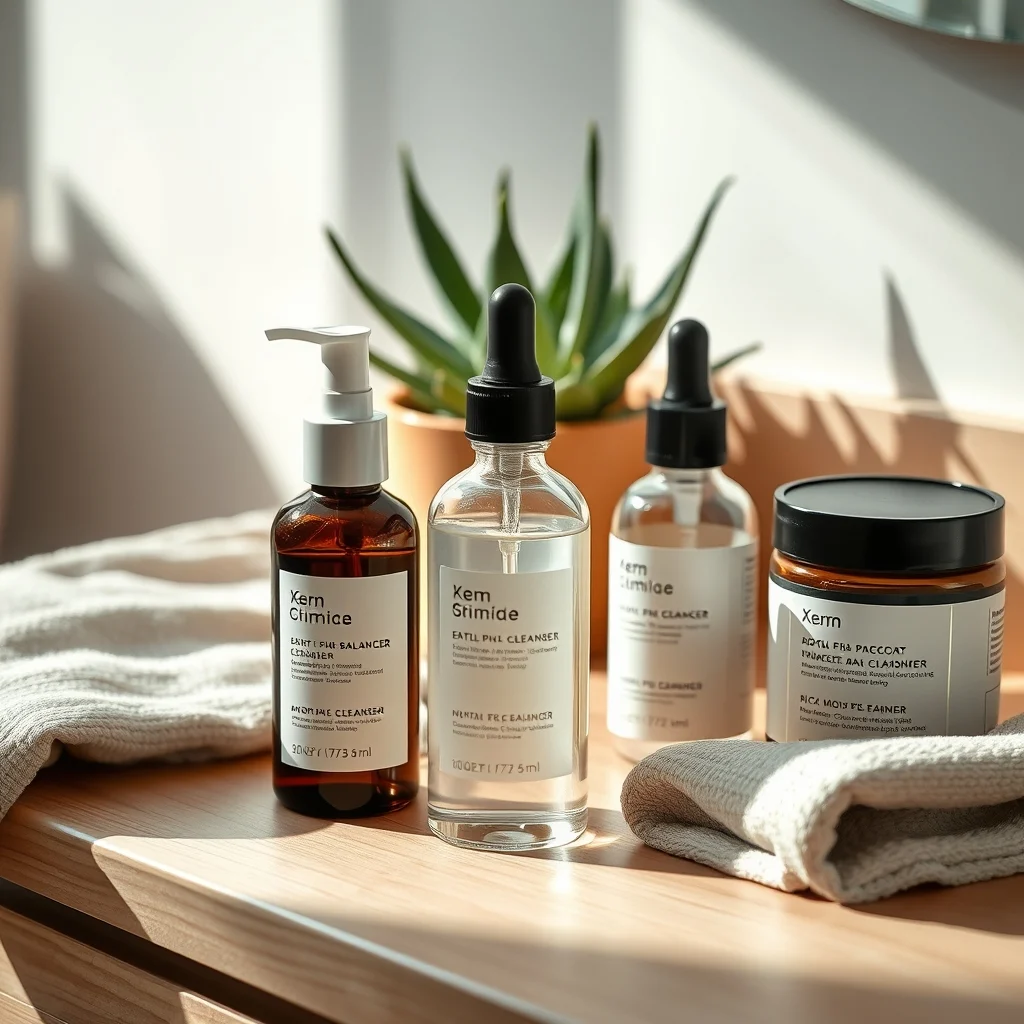
Creating a barrier-first routine starts with gentle cleansing. Harsh cleansers, whether natural or synthetic, can strip your skin of its natural oils, leaving the barrier vulnerable. Opt for a pH-balanced cleanser that removes impurities without disrupting your skin’s moisture balance. Follow up with a hydrating serum or essence to replenish moisture and support barrier repair.
Moisturizing is non-negotiable in a barrier-first routine. Look for products with ceramides, cholesterol, and fatty acids—ingredients that mimic your skin’s natural lipid barrier. These can be found in both clean and conventional beauty products, so don’t limit yourself to one category. Finally, always use sunscreen during the day to protect your barrier from UV damage, which is one of the leading causes of barrier dysfunction.
Navigating the ‘Free-From’ Label Trap
Many clean beauty products tout “free-from” labels, claiming to be free of sulfates, parabens, or synthetic fragrances. While these labels can be helpful for those with specific sensitivities, they can also be misleading. A product free of one controversial ingredient isn’t necessarily safer—it might contain another irritant that’s just as problematic for your skin.
Instead of relying on “free-from” labels, focus on what the product does contain. Does it have barrier-supporting ingredients like ceramides or squalane? Is it formulated for your skin type? A product labeled “clean” might still contain essential oils that irritate sensitive skin, while a conventional product could be fragrance-free and packed with soothing actives. Always read the ingredient list and prioritize what works for your skin.
When to Seek Professional Guidance
If your skin is consistently irritated, red, or reactive, it might be time to consult a dermatologist. They can help you identify whether your issues stem from product choices, environmental factors, or underlying skin conditions. A professional can also recommend treatments or ingredients tailored to your skin’s needs, whether that’s a prescription-strength barrier repair cream or a gentle exfoliant to promote cell turnover.
Remember, the clean vs conventional beauty debate isn’t about choosing one side over the other—it’s about finding what works for your skin. A barrier-first, skinimalism approach allows you to cut through the noise and focus on what truly matters: healthy, resilient skin. Start by simplifying your routine, prioritizing barrier-supporting ingredients, and listening to your skin’s signals. Over time, you’ll build a regimen that’s as unique as you are, free from myths and full of results.
You may also like
-
Clean vs Conventional Beauty Myths: What Most People Get Wrong About Budget-Friendly Skincare
-
Clean vs Conventional Beauty Myths: A Barrier-First Approach for Healthy Skin
-
Clean vs Conventional Beauty Myths: What Most People Get Wrong About Dry & Sensitive Skin
-
Clean vs Conventional Beauty Myths: How to Get Started This Week Without Overwhelm
-
Clean vs Conventional Beauty Myths: What Most People Get Wrong About Oily Skin