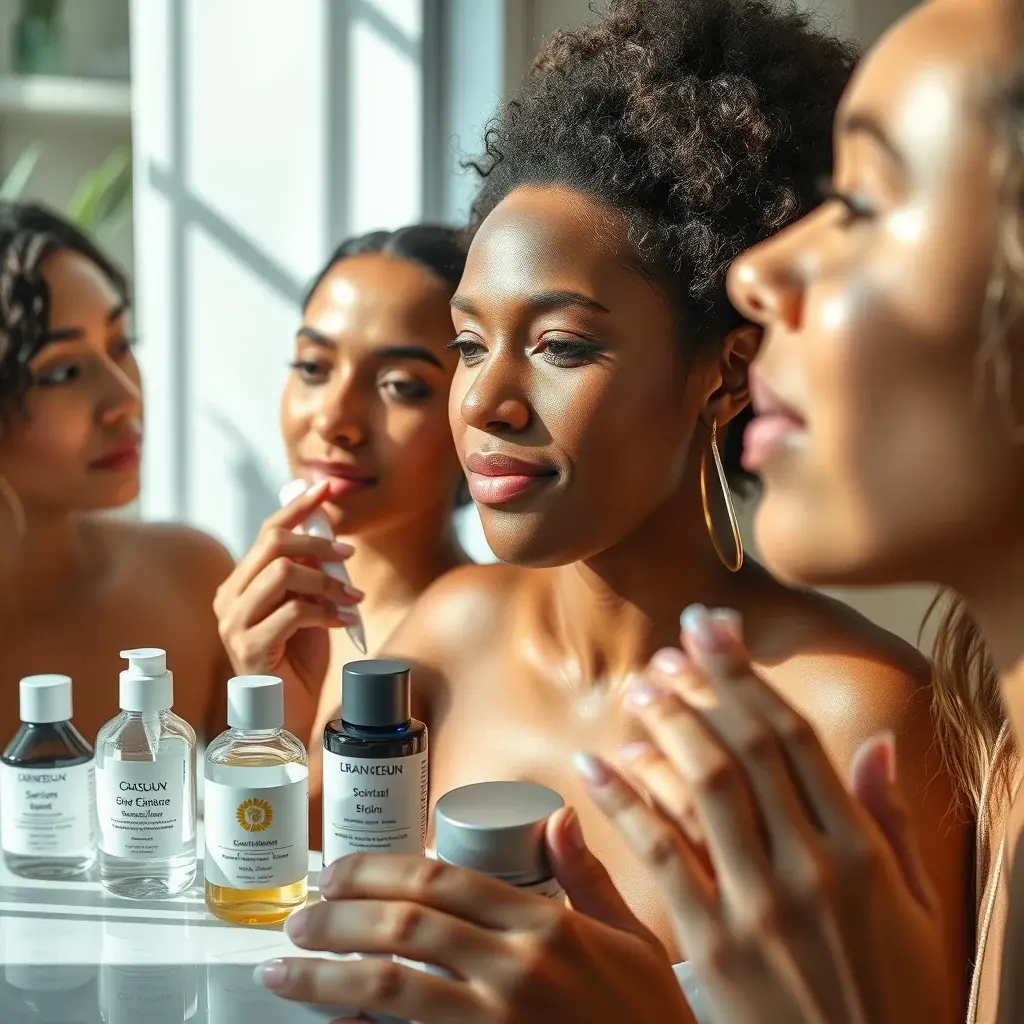
Struggling with oily skin can feel like a never-ending battle, especially when conflicting advice leaves you more confused than confident. Many assume that clean vs conventional beauty myths for oily skin are just about choosing one over the other—but the truth is far more nuanced. The right approach balances effectiveness, skin health, and personal values without falling for oversimplified trends.
Myth 1: Clean Beauty Is Always Gentler (And Better for Oily Skin)
One of the biggest misconceptions is that clean beauty products are inherently gentler or more suitable for oily skin. While clean beauty often avoids harsh sulfates and synthetic fragrances, not all formulations are created equal. Some natural ingredients, like citrus extracts or essential oils, can actually trigger excess oil production or irritation for those with oily skin.
Conventional beauty, on the other hand, often includes scientifically backed ingredients like niacinamide or salicylic acid, which are proven to regulate sebum without stripping the skin. The key is to look beyond labels and focus on what your skin truly needs—whether it’s a clean or conventional product.
Myth 2: Oily Skin Doesn’t Need Moisturizer
Skipping moisturizer to combat oiliness is a common mistake, but it can backfire. When oily skin is dehydrated, it compensates by producing even more oil, leading to clogged pores and breakouts. The solution isn’t to avoid hydration but to choose the right type.
Lightweight, oil-free moisturizers—whether clean or conventional—can help maintain balance. Look for ingredients like hyaluronic acid or glycerin, which hydrate without adding greasiness. Even oily skin needs a barrier-supporting routine to stay healthy.
Myth 3: Harsh Cleansers Are the Best Way to Control Oil
Many people with oily skin reach for strong, foaming cleansers to strip away excess oil. However, over-cleansing can disrupt the skin’s natural barrier, leading to increased oil production and sensitivity. A gentle, pH-balanced cleanser is often a better choice, regardless of whether it’s labeled clean or conventional.
Ingredients like tea tree oil (a clean beauty staple) or benzoyl peroxide (common in conventional products) can help manage oiliness, but moderation is key. Overusing them can cause dryness, which ironically triggers more oil production.
Myth 4: Natural Ingredients Are Always Safe for Oily Skin
Just because an ingredient is natural doesn’t mean it’s automatically safe or effective for oily skin. Some plant-based ingredients, like coconut oil or cocoa butter, are highly comedogenic and can clog pores. Others, like witch hazel, can be too astringent when used excessively, leading to irritation.
Conventional beauty products often undergo rigorous testing to ensure they’re non-comedogenic and suitable for oily skin. If you prefer clean beauty, opt for formulations that are specifically designed for oily or acne-prone skin, and patch-test new products before full application.
Myth 5: You Can’t Mix Clean and Conventional Products
There’s no rule that says you must choose one side entirely. Many people successfully blend clean and conventional products to create a routine that works for their oily skin. For example, you might use a clean beauty serum with hyaluronic acid but pair it with a conventional sunscreen that offers better oil control.
The goal is to prioritize what your skin responds to, not what the labels dictate. Experimenting with combinations can help you find the perfect balance between efficacy and personal values.
Myth 6: Oily Skin Doesn’t Need Sunscreen
Another dangerous myth is that oily skin doesn’t need sunscreen because the natural oils provide enough protection. In reality, sun damage can worsen oiliness, hyperpigmentation, and even lead to premature aging. The key is choosing the right sunscreen—one that’s lightweight, non-comedogenic, and mattifying.
Many conventional sunscreens are formulated specifically for oily skin, offering oil-free, gel-based textures. Clean beauty brands are also stepping up with mineral-based options that don’t leave a greasy residue. Don’t skip this step—your skin’s health depends on it.
Navigating the world of clean vs conventional beauty myths for oily skin doesn’t have to be overwhelming. By focusing on what your skin truly needs—rather than what trends or labels dictate—you can build a routine that keeps oiliness in check while supporting long-term skin health. Start small, observe how your skin reacts, and adjust as needed. Your perfect routine might just be a mix of the best from both worlds.
You may also like
-
Clean vs. Conventional Beauty: A Barrier-First, Skinimalism Approach
-
Clean vs. Conventional Beauty: Step-by-Step Guide for Beginners
-
Clean vs. Conventional Beauty: What Most People Get Wrong About Oily Skin
-
Clean vs. Conventional Beauty: What Most People Get Wrong About Glass Skin 2.0
-
Clean vs Conventional Beauty: Quick Tips for Busy People