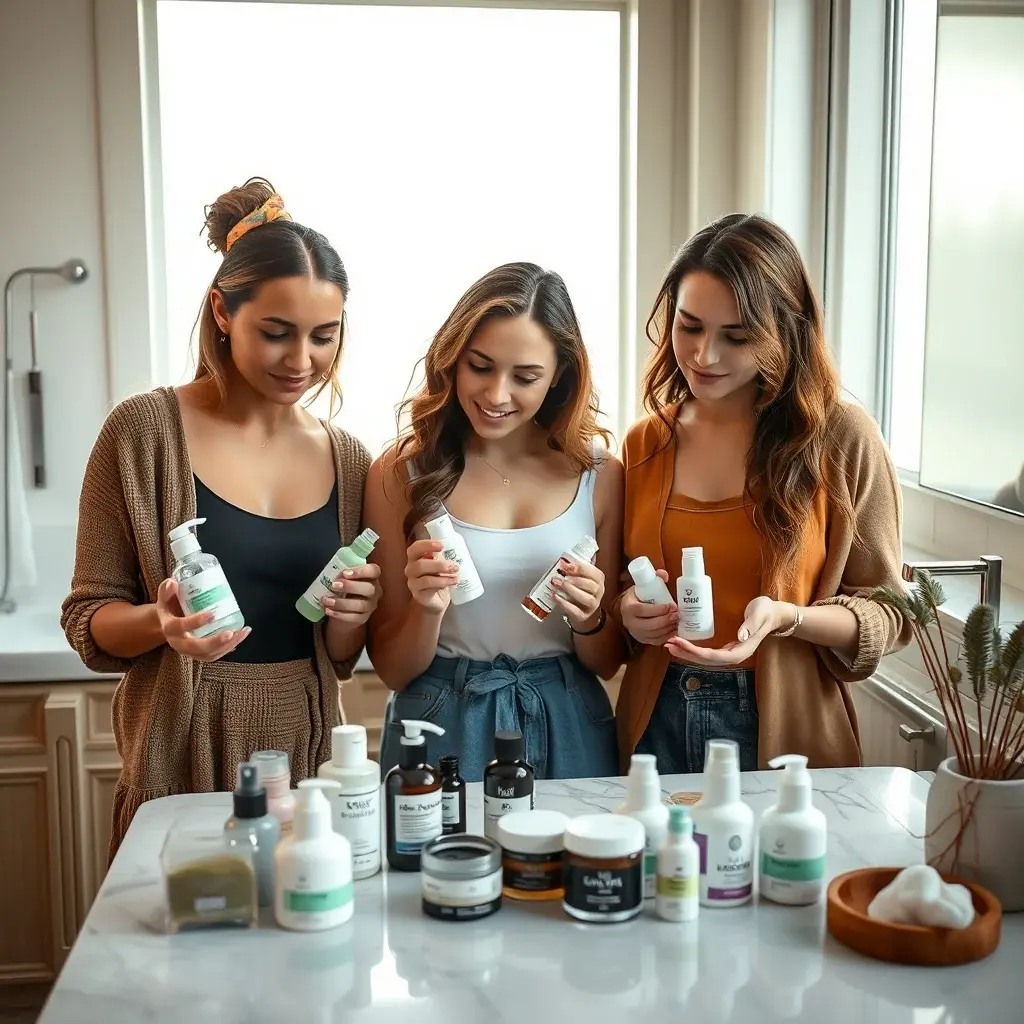
Navigating the world of clean vs conventional beauty myths can feel like stepping into a maze of conflicting advice. One day, you hear that natural ingredients are the only way to go; the next, you’re told synthetic formulas are safer and more effective. If you’ve ever stood in the beauty aisle, overwhelmed by labels and unsure where to begin, you’re not alone. The good news? You don’t need a chemistry degree or a bottomless budget to make smarter choices for your skin—just a little clarity and a step-by-step plan.
Myth #1: Clean Beauty Is Always Safer (And Conventional Is Always Harmful)
The idea that “clean” automatically means safer is one of the biggest misconceptions in the beauty world. While clean beauty products often avoid controversial ingredients like parabens, sulfates, and synthetic fragrances, that doesn’t mean they’re free from potential irritants. Essential oils, for example, are natural but can cause reactions in sensitive skin. On the flip side, many conventional products undergo rigorous testing to ensure safety and efficacy. The key is to look beyond the marketing buzzwords and focus on what your skin actually needs.
Instead of assuming one category is superior, check ingredient lists for red flags like known allergens or comedogenic compounds. The FDA provides guidelines on ingredients to watch for, but ultimately, your skin’s reaction is the best indicator. Start by patch-testing new products, whether they’re clean or conventional, to see how your skin responds.
Myth #2: You Need to Overhaul Your Routine Overnight
One of the biggest mistakes people make when switching to cleaner products is trying to replace everything at once. This approach can backfire, leaving your skin confused and your wallet empty. Instead of a drastic overhaul, focus on one product at a time. Begin with items that stay on your skin the longest, like moisturizers or serums, as these have the most significant impact on your skin’s health.
For example, if you’re using a conventional moisturizer with synthetic fragrances, swap it out for a fragrance-free, clean alternative. Give your skin a week or two to adjust before introducing another change. This gradual approach helps you identify what works and what doesn’t without overwhelming your skin or your routine.
Myth #3: Clean Beauty Is Too Expensive
The myth that clean beauty is a luxury only a few can afford is far from the truth. While some brands do come with a higher price tag, there are plenty of affordable options that deliver results without breaking the bank. The key is to prioritize ingredients over branding. Look for products with simple, effective formulas that focus on skin health rather than trendy packaging.
Drugstore brands and online retailers often carry clean beauty lines at budget-friendly prices. Additionally, multi-use products, like a tinted moisturizer with SPF or a balm that works as both a lip and cheek color, can help you save money while simplifying your routine. Remember, expensive doesn’t always mean better—what matters most is how your skin responds.
Myth #4: If It’s Natural, It Won’t Irritate My Skin
Natural ingredients can be incredibly beneficial, but they’re not automatically gentle or non-irritating. Poison ivy is natural, after all, but you wouldn’t want it in your skincare. Ingredients like citrus extracts, menthol, and even some essential oils can cause redness, dryness, or breakouts, especially for those with sensitive skin. The same goes for conventional ingredients—just because something is synthetic doesn’t mean it’s harsh.
To avoid irritation, pay attention to how your skin reacts to different ingredients. If you notice redness or discomfort after using a product, check the label for common irritants like alcohol, fragrance, or high concentrations of active ingredients. When in doubt, opt for products labeled “hypoallergenic” or “for sensitive skin,” regardless of whether they’re clean or conventional.
Myth #5: You Have to Choose One Side or the Other
The clean vs conventional beauty debate often feels like an either/or situation, but the reality is far more nuanced. Your skin doesn’t care about labels—it cares about what works. Some of the most effective routines blend the best of both worlds, using clean products where they make sense and conventional ones where they deliver better results.
For example, you might use a clean, fragrance-free cleanser to avoid irritation but pair it with a conventional serum containing proven actives like vitamin C or hyaluronic acid. The goal isn’t to pick a side but to build a routine that supports your skin’s unique needs. Flexibility is key, and there’s no one-size-fits-all answer.
Myth #6: More Ingredients Mean Better Results
In the world of beauty, more isn’t always better. A long ingredient list doesn’t guarantee effectiveness—in fact, it can often mean unnecessary fillers or potential irritants. Clean beauty products often pride themselves on simplicity, but even conventional products can fall into the trap of overcomplicating formulas. The truth is, your skin doesn’t need a dozen active ingredients to thrive.
Focus on products with a short, purposeful ingredient list. For example, a moisturizer with hyaluronic acid, ceramides, and a few soothing botanicals can be just as effective as one with 20 ingredients. Simplicity reduces the risk of irritation and makes it easier to pinpoint what’s working (or not) in your routine. Less can truly be more when it comes to skincare.
Starting your journey into clean vs conventional beauty myths doesn’t have to be complicated. By debunking these common misconceptions, you can make informed choices that align with your skin’s needs and your lifestyle. Whether you’re swapping one product at a time or blending the best of both worlds, the goal is progress, not perfection. Take it one step at a time, listen to your skin, and enjoy the process of discovering what truly works for you.
You may also like
-
Clean vs. Conventional Beauty: What Most People Get Wrong About Peptides & Regenerative Actives
-
Clean vs. Conventional Beauty: A Barrier-First, Skinimalism Approach
-
Clean vs. Conventional Beauty: Step-by-Step Guide for Beginners
-
Clean vs. Conventional Beauty: What Most People Get Wrong About Oily Skin
-
Clean vs. Conventional Beauty: What Most People Get Wrong About Glass Skin 2.0