Tired of skincare routines that leave your skin feeling irritated, dry, or just not quite right? The world of clean beauty can feel overwhelming, especially when navigating countless product claims and conflicting advice. Whether you’re new to the concept or simply looking to refine your approach, understanding the essentials of clean beauty will help you build a routine that prioritizes your skin’s health without unnecessary fuss.
The beauty industry has shifted toward transparency, but sorting through the noise to find genuinely effective and safe products can be challenging. By focusing on clean, non-toxic ingredients and avoiding harsh chemicals, you can achieve healthier, happier skin—without compromising on results. Let’s break down the fundamentals to help you make informed choices.
The American Academy of Dermatology emphasizes that clean beauty isn’t just about avoiding harmful ingredients—it’s about nurturing your skin with what it truly needs. Whether you’re sensitive to fragrances, concerned about synthetic preservatives, or simply prefer a gentler approach, this guide will walk you through the key steps to curate a clean beauty routine that works for you.
Understanding Clean Beauty: What It Really Means
Clean beauty isn’t just a trend—it’s a movement toward simplicity and intentionality in skincare. At its core, it means choosing products free from harmful chemicals like parabens, sulfates, phthalates, and synthetic fragrances. These ingredients can disrupt your skin’s natural balance, leading to irritation, dryness, or long-term damage. Instead, clean beauty focuses on natural, plant-based, and non-irritating alternatives that respect your skin’s barrier function.
Start by familiarizing yourself with common clean beauty labels and certifications, such as USDA Organic, Ecocert, or Non-GMO Project Verified. These certifications signal that a product has undergone rigorous testing to ensure it meets high standards for ingredient safety and sustainability. While no certification is foolproof, they serve as a helpful starting point for building trust in a brand’s commitment to clean practices.
Another critical aspect of clean beauty is ingredient transparency. Look for products that list their ingredients clearly, without vague terms like fragrance or parfum, which often hide a cocktail of synthetic chemicals. Opting for brands that prioritize transparency—such as those that provide detailed ingredient sourcing or third-party lab reports—can give you peace of mind about what you’re applying to your skin.
Building a Clean Beauty Routine: The Basics
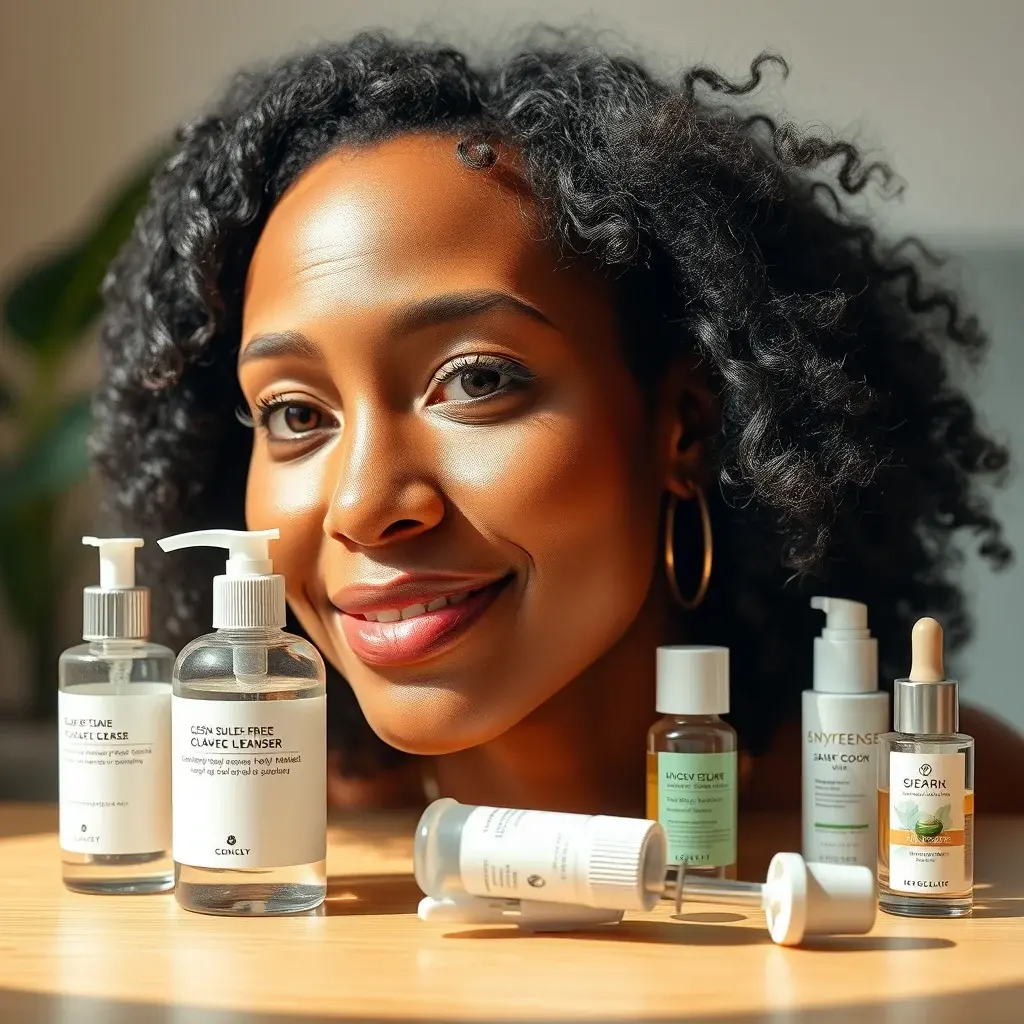
A clean beauty routine doesn’t have to be complicated. The goal is to cleanse, hydrate, and protect your skin without overwhelming it with unnecessary products. Begin with a gentle, sulfate-free cleanser that removes dirt and impurities without stripping your skin of its natural oils. For dry or sensitive skin, look for hydrating cleansers infused with aloe vera, chamomile, or hyaluronic acid to soothe and nourish.
Next, incorporate a lightweight, fragrance-free moisturizer to lock in hydration. Ingredients like squalane, shea butter, or glycerin are excellent for maintaining your skin’s moisture barrier. If your skin tends to be oily, opt for a gel-based moisturizer with niacinamide or zinc to help regulate oil production while keeping your skin balanced. Remember, less is often more—start with a minimal routine and gradually introduce products as needed.
Sunscreen is a non-negotiable step in any clean beauty routine. Opt for a broad-spectrum, mineral-based sunscreen with zinc oxide or titanium dioxide as the active ingredients. These physical sunscreens sit on top of the skin, providing a protective barrier against UV rays without the risk of irritation or allergic reactions that some chemical sunscreens can cause. Reapply every two hours if you’re spending extended time outdoors.
Choosing the Right Products for Your Skin Type
Not all clean beauty products are created equal, and what works for one skin type may not suit another. If you have dry or sensitive skin, prioritize products with soothing ingredients like oat extract, panthenol (provitamin B5), or allantoin. These ingredients help calm redness, reduce inflammation, and strengthen your skin’s protective barrier. Avoid products with alcohol, essential oils, or exfoliating acids like AHAs or BHAs, as they can exacerbate sensitivity and dryness.
For those with oily or acne-prone skin, look for clean beauty products that contain tea tree oil, salicylic acid (when gentle), or clay-based formulations. These ingredients help control excess oil, unclog pores, and reduce breakouts without harsh chemicals. However, always patch-test new products to ensure they don’t cause irritation, especially if your skin is prone to reactions.
If you’re unsure about your skin type, start with a gentle, multi-purpose product like a hydrating serum or a cleanser that caters to multiple concerns. Over time, you’ll develop a better understanding of what your skin needs and can tailor your routine accordingly. Listen to your skin—if a product causes discomfort, discontinue use and explore alternatives.
Common Pitfalls to Avoid in Clean Beauty
While clean beauty offers numerous benefits, there are a few common mistakes to avoid to ensure you’re getting the most out of your routine. One of the biggest misconceptions is that all natural ingredients are safe or effective. Some plant-based ingredients, like essential oils or certain herbs, can be highly potent and irritating, especially for sensitive skin. Always research ingredients and consult product reviews before committing to a new item.
Another mistake is assuming that expensive products are inherently better. Clean beauty isn’t about price—it’s about quality and suitability for your skin. There are plenty of affordable, high-quality clean beauty brands that deliver results without breaking the bank. Focus on ingredients and formulation rather than price tags when building your routine.
Finally, don’t fall for marketing hype that promises instant results. Clean beauty is about long-term skin health, not overnight transformations. Be patient and consistent with your routine, and avoid overloading your skin with multiple products at once. Introduce one new item every few weeks to monitor how your skin reacts.
Transitioning to Clean Beauty: A Step-by-Step Approach
Switching to a clean beauty routine doesn’t have to happen overnight. Start by replacing one product at a time with a clean alternative. For example, swap your regular cleanser for a gentle, sulfate-free option, then gradually introduce a clean moisturizer and sunscreen. This gradual approach allows your skin to adjust without feeling overwhelmed.
Keep a skincare journal to track how your skin responds to each new product. Note any changes in texture, hydration levels, or irritation. This will help you identify what works best for your skin and adjust your routine as needed. Over time, you’ll develop a personalized clean beauty regimen that addresses your unique concerns.
Lastly, stay informed about new clean beauty products and trends by following reputable sources and skincare communities. While trends come and go, the principles of clean beauty—simplicity, transparency, and skin respect—remain timeless. By staying curious and open-minded, you’ll continue to refine your routine and achieve healthier, more radiant skin.
Ready to take the first step toward a cleaner, healthier skincare routine? Start by auditing your current products and identifying which ones could benefit from a clean beauty upgrade. Small changes can lead to big differences in how your skin feels and looks. Embrace the journey, and remember that the best skincare routine is one that works for you.
You may also like
-
Clean Beauty Reviews: Step-by-Step Guide to Glowing Skin Safely
-
Clean Beauty Product Reviews: A Barrier-First Approach for Healthier Skin
-
Clean Beauty Reviews: A Barrier-First Approach for Healthier Skin
-
Clean Beauty Product Reviews: A Beginner’s Step-by-Step Guide
-
Clean Beauty Reviews for Busy People: Quick & Effective Routines