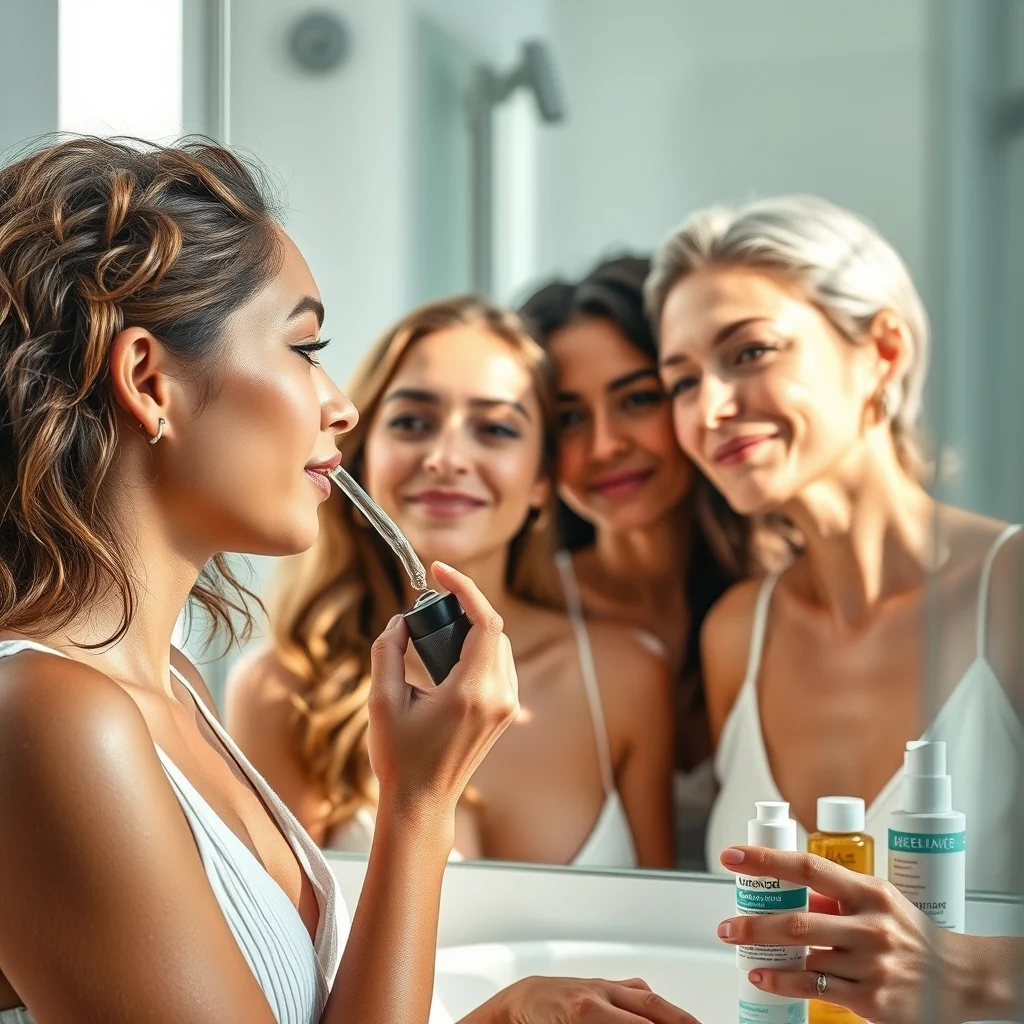
Imagine waking up to skin so luminous, strangers stop to ask about your secret. The truth? Achieving that coveted glow isn’t about expensive potions or overnight miracles—it’s about understanding your skin’s unique needs and nurturing it with the right beauty & skincare habits. Whether you battle dry patches, oily shine, or stubborn breakouts, this guide reveals the science-backed routine that transforms skin from dull to dazzling.
The Foundation of Flawless Skin: Cleansing Done Right
Your skincare journey begins with a clean canvas. But not all cleansers are created equal. Harsh soaps strip natural oils, leaving skin tight and vulnerable, while gentle formulas preserve the moisture barrier—your skin’s first line of defense. Dermatologists recommend double cleansing for those wearing makeup or sunscreen: start with an oil-based cleanser to dissolve impurities, followed by a water-based one to remove residue.
For sensitive skin, fragrance-free and sulfate-free options prevent irritation. Oily skin types benefit from salicylic acid cleansers, which unclog pores without over-drying. Remember, over-cleansing disrupts the skin’s pH balance, so limit washing to twice daily—morning and night.
Pro Tip: The 60-Second Rule
Massage your cleanser for a full minute to boost circulation and ensure thorough cleansing. This simple step enhances product absorption in later stages of your routine, making every serum and moisturizer work harder for you.
Hydration vs. Moisture: The Skincare Difference You’re Missing
Hydration and moisture are often used interchangeably, but they serve distinct purposes in your beauty & skincare regimen. Hydration refers to water content in the skin, while moisture involves locking that water in with emollients and occlusives. Hyaluronic acid serums are hydration powerhouses, drawing moisture from the air into your skin. Follow with a moisturizer containing ceramides or squalane to seal it in.
Dehydrated skin often masquerades as dryness, leading to confusion in product choices. A quick test: pinch your cheek. If it wrinkles with gentle pressure, your skin craves hydration. Layering a hydrating toner under your serum can amplify results, especially in dry climates or air-conditioned spaces.
Barrier Repair: The Unsung Hero of Healthy Skin
A compromised moisture barrier leads to redness, flakiness, and sensitivity. Look for products with niacinamide, a multitasking ingredient that strengthens the barrier while reducing inflammation. For an extra boost, incorporate a weekly sheet mask infused with peptides or colloidal oatmeal to soothe and restore.
Exfoliation: The Key to Smooth, Even-Toned Skin
Dead skin cells accumulate daily, dulling your complexion and clogging pores. Exfoliation sloughs off this buildup, revealing brighter skin underneath. Chemical exfoliants like AHAs (glycolic, lactic acid) dissolve bonds between dead cells, while BHAs (salicylic acid) penetrate pores to clear congestion. Start with a low concentration (5-10%) and use 1-2 times weekly to avoid irritation.
Physical scrubs, once a staple, are now debated. Harsh particles can create micro-tears, especially for acne-prone or sensitive skin. If you prefer physical exfoliation, opt for gentle formulas with jojoba beads or rice bran powder, and use light, circular motions.
When to Skip Exfoliation
Listen to your skin. If it feels tight, looks red, or stings after cleansing, pause exfoliation until it recovers. Over-exfoliation disrupts the skin’s natural renewal process, leading to long-term damage. Always follow with a hydrating serum and SPF to protect newly revealed skin.
Sun Protection: The Non-Negotiable Step for Ageless Skin
Sun damage is the leading cause of premature aging, hyperpigmentation, and even skin cancer. Yet, many skip sunscreen, assuming it’s only for beach days. The reality? UV rays penetrate windows and clouds, causing cumulative damage year-round. A broad-spectrum SPF 30 or higher should be your final skincare step every morning, even indoors.
Modern sunscreens are lightweight and non-greasy, with options for every skin type. Mineral sunscreens (zinc oxide, titanium dioxide) sit on the skin’s surface, ideal for sensitive skin. Chemical sunscreens absorb UV rays, converting them to heat—perfect for oily or acne-prone skin. Reapply every two hours if exposed to direct sunlight.
Myth Busted: Dark Skin Tones Need Sunscreen Too
Melanin offers some natural protection, but it’s not enough. People with deeper skin tones are still vulnerable to UV damage, which can manifest as uneven tone or dark spots. A sheer, non-white-cast formula ensures consistent use without leaving a residue.
Targeted Treatments: Serums and Actives for Specific Concerns
Serums deliver concentrated ingredients to address specific beauty & skincare concerns. Vitamin C brightens and protects against environmental damage, while retinol boosts cell turnover for smoother, firmer skin. Introduce actives gradually—start with a low percentage and use them at night, as some (like retinol) increase sun sensitivity.
For acne, niacinamide and azelaic acid reduce inflammation and regulate sebum production. Hyperpigmentation responds well to tranexamic acid or alpha arbutin, which inhibit melanin production. Always patch-test new products to avoid adverse reactions.
Layering Order Matters
Apply products from thinnest to thickest consistency: toner, serum, moisturizer, then sunscreen. This ensures each layer absorbs properly without pilling. If using multiple serums, wait 30 seconds between applications to maximize efficacy.
Lifestyle Habits That Elevate Your Skincare Routine
Skincare isn’t just about what you put on your face—it’s also about how you treat your body. Hydration starts from within: aim for eight glasses of water daily to maintain plump, supple skin. A diet rich in antioxidants (berries, leafy greens) and omega-3s (salmon, flaxseeds) fights inflammation and supports skin repair.
Sleep is your skin’s best friend. During deep sleep, the body produces collagen and repairs damage from the day. Poor sleep increases cortisol levels, leading to breakouts and fine lines. Aim for 7-9 hours nightly, and consider a silk pillowcase to reduce friction and prevent sleep wrinkles.
Stress wreaks havoc on your complexion, triggering breakouts and flare-ups. Incorporate stress-relief practices like meditation, yoga, or deep breathing into your routine. Even five minutes daily can lower cortisol levels and improve skin resilience.
Your skin’s radiance is a reflection of the care you invest in it. By tailoring your beauty & skincare routine to your unique needs and supporting it with healthy habits, you’re not just chasing a temporary glow—you’re building a foundation for lifelong skin health. Start with one or two changes, observe how your skin responds, and adjust as needed. The secret to glowing skin isn’t perfection; it’s consistency and kindness—to your skin and yourself.
You may also like
-
The Intersection of Science, Sustainability, and Efficacy in Pure Root Beauty: A Multidimensional Exploration of Clean Ingredient Sourcing and Environmental Stewardship
-
The Comprehensive Examination of Raw Root Extracts in Skincare: Mechanisms, Market Evolution, and Multidisciplinary Stakeholder Perspectives
-
The Comprehensive Ecosystem of Sustainable Root Skincare: Balancing Scientific Innovation, Ethical Sourcing, and Market Disruption in 2024
-
The Comprehensive Framework of Wellness-Driven Eco Homes: A Multidimensional Analysis of Sustainable Living, Non-Toxic Practices, and Holistic Well-Being
-
Sustainable Fashion: How the Industry is Shifting Toward Eco-Friendly Beauty and Skincare Practices