Consumers, regulators, and beauty brands are locked in a high-stakes dialogue over the definition, verification, and value of “clean” skincare. The movement, which gained momentum in the early 2010s, now commands a $22 billion global market, projected to grow at a compound annual rate of 12% through 2030, according to Grand View Research. Yet, as demand surges, so do concerns about greenwashing, ingredient transparency, and the reliability of third-party certifications. The current landscape is defined by a patchwork of regional regulations, competing certification standards, and a consumer base increasingly skeptical of marketing claims. This report examines the mechanisms, stakeholders, and systemic impacts of clean beauty verification, offering a 360-degree analysis of how ethical skincare is sourced, labeled, and purchased.
Defining the Scope: Stakeholders, Standards, and Historical Context
The clean beauty movement emerged as a response to growing awareness of synthetic chemicals in personal care products and their potential health and environmental risks. Early adopters, such as Dr. Bronner’s and Burt’s Bees, laid the groundwork in the 1990s by prioritizing plant-based ingredients and transparent sourcing. However, the term “clean” remained unregulated, allowing brands to adopt the label without standardized criteria. By 2015, the market had fragmented into multiple subcategories—organic, natural, cruelty-free, and sustainable—each with its own certification bodies and loopholes.
Primary stakeholders include:
- Regulatory Agencies: The U.S. Food and Drug Administration (FDA) and the European Union’s Cosmetics Regulation (EC 1223/2009) enforce baseline safety standards but do not define “clean” or “natural.” The FDA, for instance, prohibits only 11 ingredients in cosmetics, compared to over 1,300 banned by the EU.
- Certification Bodies: Organizations like Ecocert, COSMOS, Leaping Bunny, and the USDA Organic program provide third-party verification, but their standards vary. Ecocert, for example, requires 95% plant-based ingredients for its “natural” label, while COSMOS mandates 20% organic content for “organic” certification.
- Brands and Retailers: Companies like Sephora, Credo Beauty, and The Detox Market have created their own “clean” standards, often stricter than regulatory requirements. Sephora’s “Clean at Sephora” seal, launched in 2018, excludes over 50 ingredients, including parabens and phthalates.
- Consumers: A 2023 survey by NielsenIQ found that 68% of global consumers are willing to pay a premium for products with transparent ingredient lists, up from 52% in 2019. Millennials and Gen Z drive this trend, with 74% of Gen Z respondents prioritizing sustainability in beauty purchases.
- Advocacy Groups: Nonprofits like the Environmental Working Group (EWG) and Breast Cancer Prevention Partners (BCPP) publish ingredient databases and lobby for stricter regulations. The EWG’s Skin Deep database, which rates over 87,000 products, is a key resource for consumers.
Chronological Development: From Niche to Mainstream
The clean beauty movement has evolved in distinct phases:
- 1990s–2000s: Early adopters like Aveda and Burt’s Bees introduced plant-based formulations, but the market remained niche. The USDA Organic certification, established in 2002, provided a framework for organic skincare but was not widely adopted.
- 2010–2015: The term “clean beauty” entered mainstream discourse, driven by documentaries like The Story of Cosmetics (2010) and books such as No More Dirty Looks (2010). Brands like RMS Beauty and Tata Harper gained traction, and retailers like Whole Foods introduced their own “Premium Body Care” standards.
- 2016–2020: The market expanded rapidly, with clean beauty sales growing by 39% in 2018 alone, per NPD Group. Certifications like COSMOS (2017) and the EWG Verified mark (2015) emerged to address consumer demand for transparency. However, greenwashing became rampant, with brands like Honest Company facing lawsuits over misleading “natural” claims.
- 2021–Present: Regulatory scrutiny intensified. In 2022, the EU proposed banning over 2,000 harmful chemicals in cosmetics, while the FDA began reviewing talc-based products for asbestos contamination. Retailers like Ulta Beauty launched “Conscious Beauty” programs, and brands like Tower 28 and Saie prioritized inclusivity and sustainability in their clean formulations.
Operational Mechanics: How Certifications and Claims Work
Clean beauty verification relies on a combination of third-party certifications, retailer standards, and consumer tools. Below is a breakdown of the most influential systems:
| Certification/Standard | Governing Body | Key Requirements | Limitations |
|---|---|---|---|
| USDA Organic | U.S. Department of Agriculture | 95% organic ingredients; no synthetic pesticides or fertilizers | Does not address water content or processing methods |
| COSMOS Organic | COSMOS-standard AISBL | 20% organic content; 95% physically processed agro-ingredients | Allows some synthetic preservatives |
| Leaping Bunny | Coalition for Consumer Information on Cosmetics | No animal testing at any stage of product development | Does not address ingredient sourcing or environmental impact |
| EWG Verified | Environmental Working Group | Meets EWG’s strict ingredient safety criteria; full transparency | Not recognized by regulatory agencies |
| Sephora Clean | Sephora | Excludes 50+ ingredients; no formal certification process | Self-regulated; no third-party audits |
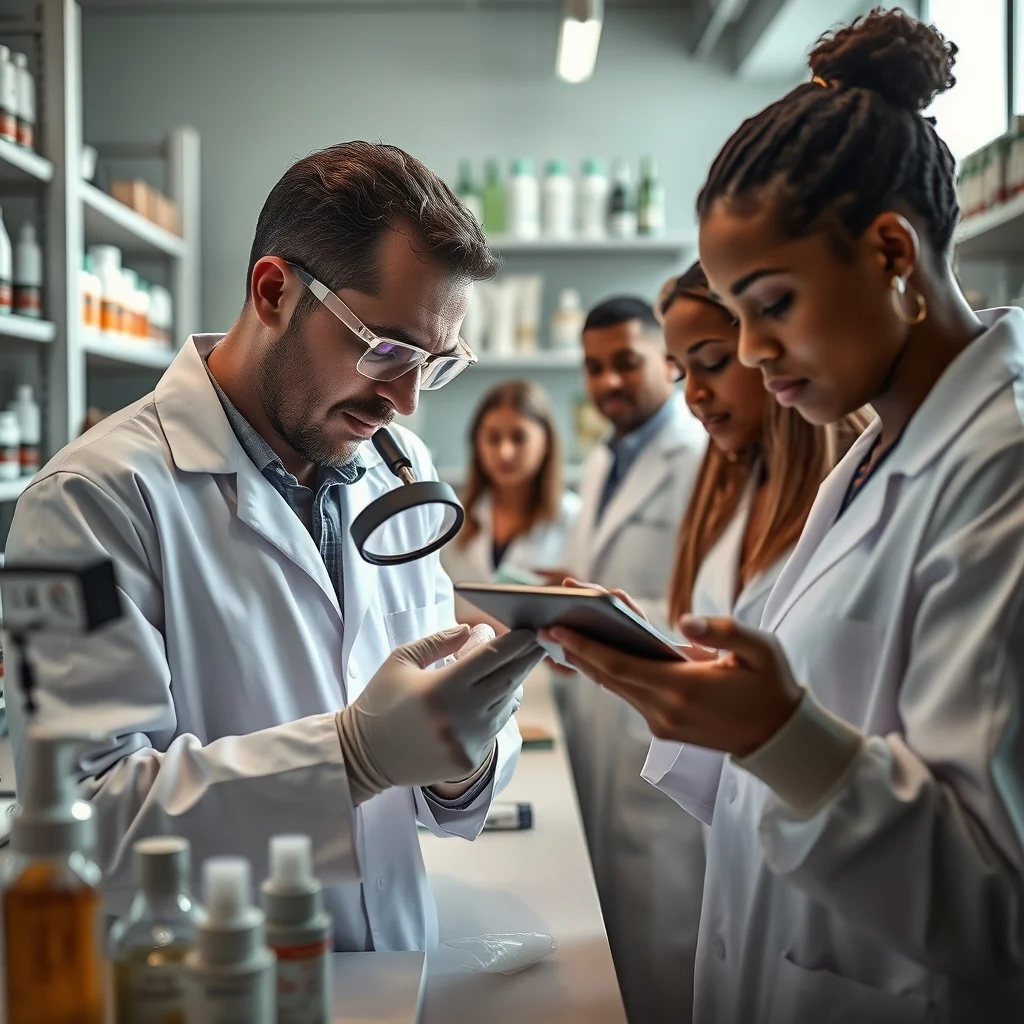
Brands seeking certification must submit ingredient lists, sourcing documentation, and manufacturing processes for review. Certifying bodies conduct audits, often annually, to ensure compliance. However, the process is not foolproof. A 2021 investigation by The Guardian found that some certified brands had mislabeled ingredients or failed to disclose synthetic additives. “Certifications are a starting point, not a guarantee,” said Dr. Arlene Blum, executive director of the Green Science Policy Institute. “Consumers must remain vigilant and cross-reference claims with independent databases.”
Quantitative Data: Market Trends and Consumer Behavior
The clean beauty market is characterized by rapid growth, regional disparities, and shifting consumer priorities. Key data points include:
- Market Size: The global clean beauty market was valued at $22 billion in 2023, with North America accounting for 45% of sales, per Statista. Europe follows at 30%, driven by stringent EU regulations.
- Consumer Demographics: A 2023 report by McKinsey & Company found that 62% of clean beauty consumers are under 40, with Gen Z and millennials prioritizing sustainability (78%) and ethical sourcing (65%) over price (42%).
- Ingredient Concerns: The most avoided ingredients, according to a 2022 survey by the Personal Care Products Council, are parabens (68%), phthalates (62%), and synthetic fragrances (57%). However, 43% of consumers admit to not understanding ingredient labels.
- Retailer Influence: Products with clean certifications sell 2.5 times faster than non-certified counterparts, per a 2023 report by NielsenIQ. Retailers like Credo Beauty and Follain report that 70% of their sales come from certified brands.
Despite these trends, greenwashing remains pervasive. A 2023 study by the Changing Markets Foundation found that 59% of “natural” or “clean” beauty claims in the EU were misleading or unsubstantiated. “The lack of harmonized regulations creates a Wild West scenario,” said Judi Beerling, technical research manager at Organic Monitor. “Brands exploit loopholes, and consumers pay the price.”
Systemic Impacts: Health, Environment, and Equity
The clean beauty movement has far-reaching implications beyond consumer choice. Its systemic impacts include:
- Health: Studies link certain synthetic ingredients to endocrine disruption, allergies, and cancer. A 2021 report by the Silent Spring Institute found that women of color are disproportionately exposed to harmful chemicals in beauty products, with Black women using more products containing parabens and phthalates. “Clean beauty isn’t just a trend—it’s a public health imperative,” said Dr. Ami Zota, associate professor of environmental health at George Washington University.
- Environment: The beauty industry produces over 120 billion units of packaging annually, per Zero Waste Week. Clean beauty brands like Ethique and Lush have pioneered plastic-free packaging, but the majority of the industry still relies on non-recyclable materials. Additionally, the demand for natural ingredients has led to overharvesting of plants like sandalwood and argan, threatening biodiversity.
- Equity: The clean beauty market has been criticized for its lack of inclusivity, with products often formulated for lighter skin tones. Brands like Briogeo and Pattern Beauty are addressing this gap, but a 2023 report by the Beautywell Project found that only 15% of clean beauty brands offer shade ranges for deeper skin tones. “Sustainability must include social equity,” said Dr. Victoria Fu, co-founder of Chemist Confessions. “Clean beauty has to work for everyone, not just a privileged few.”
Stakeholder Perspectives: Conflicting Priorities and Solutions
The clean beauty movement is shaped by diverse, often competing, stakeholder priorities:
- Regulators: The FDA and EU are under pressure to standardize definitions and ban harmful ingredients. In 2023, the EU proposed the REACH regulation updates, which would restrict over 2,000 chemicals in cosmetics. “Regulation is the only way to level the playing field,” said Thierry Breton, EU Commissioner for Internal Market. However, the FDA has yet to propose similar measures, citing resource constraints.
- Brands: Established brands argue that clean beauty standards are too restrictive, while indie brands see them as a competitive advantage. “Consumers want transparency, but they also want efficacy,” said Tara Foley, founder of Follain. “We need certifications that balance safety with performance.” Meanwhile, brands like Beautycounter lobby for stricter regulations, advocating for the Personal Care Products Safety Act, which would give the FDA authority to review ingredients.
- Consumers: While many consumers prioritize clean beauty, others are overwhelmed by the complexity of labels and certifications. “I don’t have time to research every ingredient,” said Maria Gonzalez, a 34-year-old teacher and mother of two. “I wish there was a simpler way to know what’s safe.” Apps like Think Dirty and Yuka address this need by scanning barcodes and rating products, but their databases are not exhaustive.
- Advocacy Groups: Organizations like the EWG and BCPP push for stricter regulations and greater transparency. “The burden of proof should be on brands, not consumers,” said Nneka Leiba, vice president of healthy living science at the EWG. However, some critics argue that these groups contribute to chemophobia by demonizing all synthetic ingredients, regardless of safety data.
The clean beauty movement stands at a crossroads, with regulatory, technological, and consumer-driven catalysts poised to reshape the industry. In 2024, the EU’s REACH updates will take effect, potentially setting a new global standard for ingredient safety. Meanwhile, advancements in AI and blockchain are enabling greater supply chain transparency, with brands like Provenance and Sourcemap using technology to track ingredients from farm to shelf. Consumer demand for inclusivity and sustainability will continue to pressure brands to innovate, but without harmonized regulations, the risk of greenwashing persists. The next decade will determine whether clean beauty remains a marketing buzzword or evolves into a verifiable, equitable standard for the entire industry.
You may also like
-
Generative Engine Optimisation for Beauty Brands: Making Useful Advice Easier to Find
-
The Intersection of Science, Sustainability, and Efficacy in Pure Root Beauty: A Multidimensional Exploration of Clean Ingredient Sourcing and Environmental Stewardship
-
The Comprehensive Examination of Raw Root Extracts in Skincare: Mechanisms, Market Evolution, and Multidisciplinary Stakeholder Perspectives
-
The Comprehensive Ecosystem of Sustainable Root Skincare: Balancing Scientific Innovation, Ethical Sourcing, and Market Disruption in 2024
-
The Comprehensive Framework of Wellness-Driven Eco Homes: A Multidimensional Analysis of Sustainable Living, Non-Toxic Practices, and Holistic Well-Being