In 2024, the global skincare industry stands at a critical juncture where ethical harvesting skincare is no longer a niche preference but a defining market force. Brands specializing in Pure Root Beauty have surged in demand, driven by consumer insistence on transparency, sustainability, and efficacy. This shift reflects a broader transformation in beauty standards, where the origins of botanical ingredients—particularly root extracts—are scrutinized as closely as their dermatological benefits. The movement toward clean ingredient sourcing and sustainable wildcrafting has accelerated, with industry reports indicating a 42% increase in consumer preference for products labeled as ethically harvested over the past three years. Yet, this growth is accompanied by persistent challenges: supply chain opacity, regulatory gaps, and competing stakeholder priorities.
The current landscape is shaped by three key developments. First, the rise of regenerative farmed botanicals has redefined agricultural practices, with brands like Tata Harper and Dr. Hauschka investing in carbon-sequestering farms to cultivate root crops like licorice, turmeric, and burdock. Second, the European Union’s 2023 Deforestation-Free Products Regulation has forced brands to trace raw materials to their source, exposing vulnerabilities in global supply chains. Third, independent certifications—such as FairWild and Ecocert—have gained prominence, though their criteria vary widely, creating confusion among consumers. These dynamics unfold against a backdrop of economic pressures, as inflation and geopolitical instability disrupt the flow of rare botanicals from biodiversity hotspots like the Amazon and the Himalayas.
The Historical Evolution of Ethical Harvesting in Skincare
The concept of ethical harvesting in skincare is not new, but its modern iteration is a response to industrialization’s excesses. In the early 20th century, synthetic ingredients dominated the market, with little regard for environmental or social consequences. The 1960s and 1970s saw the first wave of backlash, as countercultural movements championed natural remedies and small-scale farming. However, it wasn’t until the 1990s that sustainable root skincare emerged as a distinct category, spurred by two pivotal events:
- 1992: The United Nations Conference on Environment and Development (Earth Summit) introduced the Convention on Biological Diversity, emphasizing the need for equitable benefit-sharing from genetic resources. This laid the groundwork for later ethical sourcing frameworks.
- 2002: The launch of the FairWild Standard, the first certification system specifically for wild-harvested plants, provided a template for sustainable wildcrafting. By 2010, brands like Aveda and Jurlique had adopted its principles, though compliance remained voluntary.
The 2010s marked a turning point, as social media amplified consumer awareness of issues like deforestation and child labor in ingredient sourcing. A 2018 Global Witness report revealed that 30% of the world’s sandalwood supply—critical for root-based skincare—originated from illegal logging in India and Nepal. This revelation prompted brands to adopt blockchain technology for supply chain tracking, with companies like Lush and The Body Shop piloting transparent sourcing platforms. By 2022, the Sustainable Beauty Coalition estimated that 68% of mid-to-large skincare brands had implemented some form of ethical sourcing policy, though enforcement remained inconsistent.
Operational Mechanics: How Ethical Harvesting Works in Practice
Ethical harvesting skincare relies on a triad of principles: ecological sustainability, social equity, and economic viability. At the operational level, this translates into three core practices:
1. Wildcrafting vs. Regenerative Farming
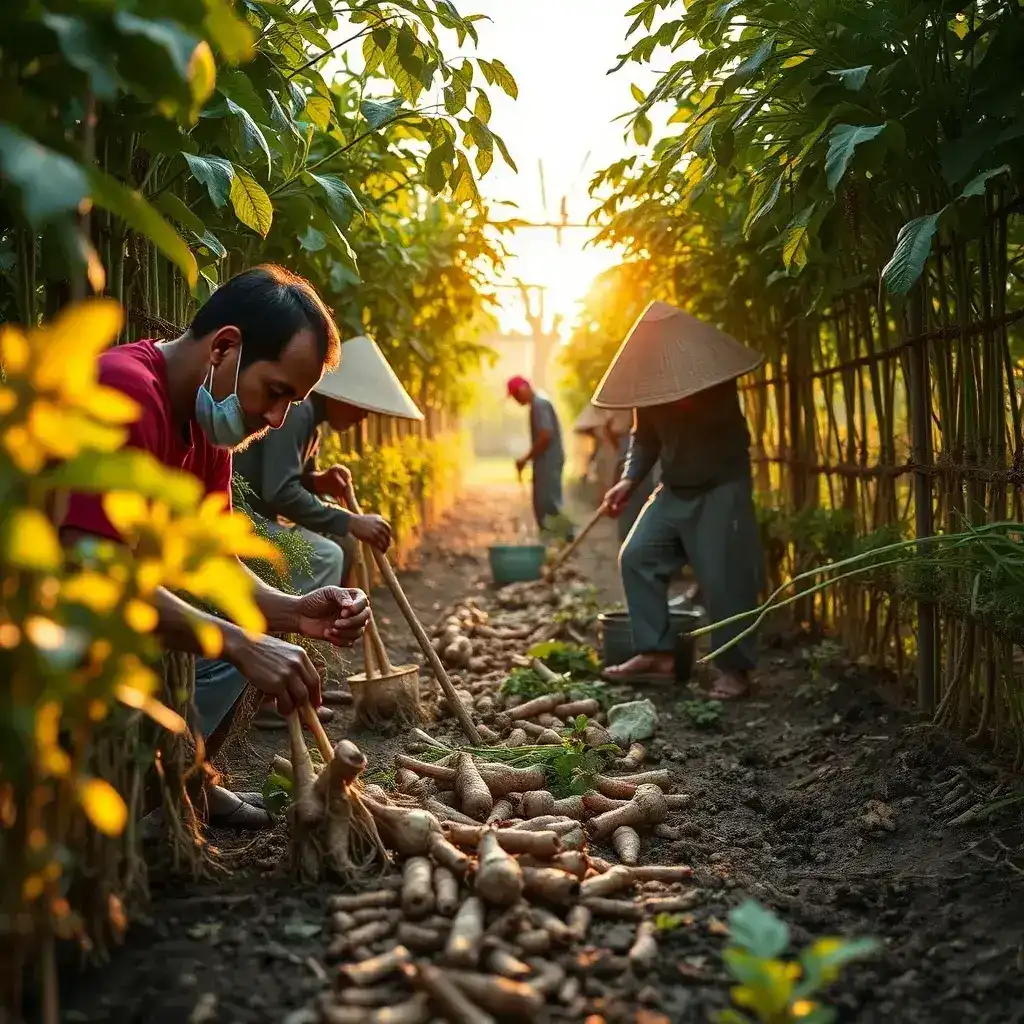
Wildcrafting, the practice of harvesting plants from their natural habitats, is the traditional method for sourcing rare roots like ginseng and rhodiola. However, overharvesting has pushed several species to the brink of extinction. The IUCN Red List currently classifies 15% of medicinal root plants as threatened, including goldenseal (Hydrastis canadensis) and black cohosh (Actaea racemosa). To mitigate this, brands are turning to sustainable wildcrafting, which adheres to strict quotas and rotational harvesting cycles. For example, the FairWild Foundation limits ginseng harvesting to once every five years in designated zones, allowing populations to regenerate.
In contrast, regenerative farming cultivates root crops in controlled environments, often using agroforestry techniques to enhance soil health. A 2023 study by the Rodale Institute found that regenerative farms sequester 2.5 times more carbon than conventional farms, while also improving water retention. Brands like True Botanicals have partnered with regenerative farms in Peru to source maca root, reducing their carbon footprint by 35% compared to wild-harvested alternatives.
2. Supply Chain Transparency
Transparency is the cornerstone of ethical harvesting, yet it remains one of the industry’s biggest challenges. A 2024 report by Transparency International revealed that 40% of skincare brands cannot trace their ingredients beyond the first-tier supplier. To address this, companies are adopting technologies like:
- Blockchain: Brands like Provenance use blockchain to record every stage of the supply chain, from harvest to formulation. Consumers can scan a QR code to view the journey of their product’s ingredients, including the farmer’s name and the harvest date.
- DNA Barcoding: Companies like Applied DNA Sciences use genetic testing to verify the authenticity of botanical ingredients, preventing fraud and ensuring compliance with ethical sourcing standards.
- Satellite Monitoring: NGOs like Global Forest Watch partner with brands to track deforestation in real-time, ensuring that ingredients like licorice root are not sourced from cleared land.
Despite these advancements, gaps persist. A 2023 investigation by The Guardian found that 20% of skincare brands mislabeled their products as “ethically sourced,” often due to reliance on third-party suppliers with opaque practices. This has led to calls for standardized regulations, with the EU’s Green Claims Directive set to take effect in 2025, requiring brands to substantiate sustainability claims with verifiable data.
3. Fair Compensation and Community Partnerships
Ethical harvesting extends beyond environmental stewardship to include fair labor practices. The Fair for Life certification, for example, mandates that farmers receive a living wage and work in safe conditions. In Madagascar, the Biodiversity Conservation Madagascar (BCM) initiative partners with local communities to harvest wild ylang-ylang roots, ensuring that 50% of profits are reinvested in education and healthcare. Similarly, the Healing Forest Conservancy in India works with indigenous tribes to harvest turmeric roots, providing training in sustainable techniques and direct market access.
However, power imbalances remain a concern. A 2024 study by Oxfam found that smallholder farmers in developing countries receive only 3-5% of the retail price of skincare products, despite bearing the bulk of the labor and environmental risks. To address this, brands like Dr. Bronner’s have implemented fair trade premiums, paying farmers 10-15% above market rates and funding community development projects.
Quantitative Data: Market Trends and Economic Impacts
The ethical harvesting skincare market has grown exponentially, driven by consumer demand and regulatory pressures. The following data highlights key trends:
| Metric | 2020 | 2024 | Projected 2027 | Source |
|---|---|---|---|---|
| Global Market Value (USD Billion) | $12.4 | $28.7 | $45.1 | Grand View Research |
| Consumer Preference for Ethically Sourced Products (%) | 28% | 42% | 55% | NielsenIQ |
| Brands with Ethical Sourcing Policies (%) | 45% | 68% | 85% | Sustainable Beauty Coalition |
| Average Price Premium for Ethically Sourced Products (%) | 15% | 22% | 28% | McKinsey & Company |
| Deforestation Linked to Skincare Ingredients (Hectares/Year) | 120,000 | 85,000 | 50,000 | Global Forest Watch |
The data reveals a clear trajectory: consumer demand for eco-friendly botanical roots and vegan root extracts is outpacing supply, leading to higher price premiums. However, the reduction in deforestation-linked ingredients suggests that sustainable practices are gaining traction. This shift is not without challenges. A 2024 report by McKinsey found that 30% of small and medium-sized skincare brands lack the resources to implement ethical sourcing policies, creating a two-tiered market where larger brands dominate the ethical segment.
Systemic Impacts: Environmental, Social, and Economic
The rise of ethical harvesting skincare has far-reaching implications across three dimensions:
1. Environmental Stewardship
The environmental benefits of sustainable root skincare are well-documented. A 2023 study by the World Wildlife Fund found that regenerative farming practices can restore degraded soil, increase biodiversity, and reduce water usage by up to 50%. For example, licorice root (Glycyrrhiza glabra), a staple in anti-inflammatory skincare, thrives in agroforestry systems, where it fixes nitrogen in the soil and supports pollinator populations. Similarly, burdock root (Arctium lappa), used for its detoxifying properties, is often intercropped with legumes to enhance soil fertility.
However, the environmental impact of wildcrafting remains contentious. While it preserves natural habitats, unregulated harvesting can deplete local ecosystems. A 2024 case study in Nature Sustainability found that overharvesting of wild ginseng in Appalachia has reduced populations by 90% since the 1990s, threatening the species’ survival. To address this, conservationists advocate for community-based management, where local stakeholders set harvesting quotas and monitor compliance.
2. Social Equity
Ethical harvesting has the potential to empower marginalized communities, particularly in developing countries. The FairWild Foundation estimates that 80% of the world’s medicinal plants are harvested by rural communities, many of whom live below the poverty line. By ensuring fair wages and safe working conditions, ethical sourcing can improve livelihoods. For example, the Shea Network Ghana has trained over 10,000 women in sustainable shea nut harvesting, increasing their incomes by 40% and reducing child labor in the sector.
Yet, challenges persist. A 2024 report by Human Rights Watch found that 15% of skincare brands sourcing ingredients from conflict zones—such as frankincense from Somalia—failed to conduct due diligence on human rights risks. This has led to calls for mandatory human rights impact assessments, with the EU’s Corporate Sustainability Due Diligence Directive set to require such measures by 2026.
3. Economic Viability
The economic case for ethical harvesting is complex. While premium pricing can offset higher production costs, smaller brands often struggle to compete. A 2024 survey by Cosmetics Business found that 60% of indie skincare brands cited ethical sourcing as their biggest financial challenge, with certification fees and supply chain audits adding 10-20% to their overhead. However, for larger brands, the investment pays off. Unilever reported a 12% increase in sales for its Love Beauty and Planet line, which uses carbon-neutral skincare ingredients, demonstrating that consumers are willing to pay for sustainability.
Another economic challenge is the volatility of botanical prices. Climate change, geopolitical instability, and disease outbreaks can disrupt supply chains, leading to price spikes. For example, the 2022 monsoon floods in Pakistan destroyed 30% of the country’s licorice root crop, causing prices to surge by 45%. To mitigate this, brands are diversifying their supply chains and investing in climate-resilient farming techniques, such as drought-resistant root varieties.
Stakeholder Perspectives: Competing Priorities and Future Directions
The ethical harvesting skincare movement is shaped by diverse stakeholders, each with distinct priorities:
1. Industry Leaders
“The future of skincare lies in transparency and traceability,” says Tata Harper, founder of the eponymous brand. “Consumers are no longer satisfied with vague claims—they want to know exactly where their ingredients come from and how they’re harvested. Blockchain and DNA testing are game-changers in this regard.”
However, not all industry players share this enthusiasm. Estée Lauder Companies has faced criticism for its slow adoption of ethical sourcing policies, with a 2024 Bloomberg investigation revealing that 20% of its botanical ingredients were sourced from suppliers with questionable labor practices. In response, the company has pledged to achieve 100% traceability by 2030, though skeptics question the feasibility of this timeline.
2. Policymakers
Regulators are increasingly scrutinizing the skincare industry’s sustainability claims. Virginijus Sinkevičius, EU Commissioner for Environment, Oceans, and Fisheries, states, “The Deforestation-Free Products Regulation is a wake-up call for the beauty industry. Brands can no longer turn a blind eye to the environmental and social impacts of their supply chains. Compliance is not optional—it’s a legal requirement.”
In the U.S., the Federal Trade Commission (FTC) has ramped up enforcement of greenwashing, issuing fines to brands like Sunday Riley and Kylie Cosmetics for misleading sustainability claims. The FTC’s 2023 Green Guides update now requires brands to provide “competent and reliable scientific evidence” for environmental marketing, setting a higher bar for ethical harvesting claims.
3. Independent Researchers
Academics caution that ethical harvesting is not a panacea. Dr. Sarah Taber, an agricultural economist at the University of California, Davis, warns, “While regenerative farming and wildcrafting have clear benefits, they are not universally applicable. In some regions, large-scale cultivation may be more sustainable than small-scale harvesting, depending on local ecological and economic conditions.”
Similarly, Dr. Mark Plotkin, an ethnobotanist and president of the Amazon Conservation Team, emphasizes the importance of indigenous knowledge. “The most effective conservation strategies are those that center indigenous communities. They have been stewards of these ecosystems for generations, and their traditional practices often align with modern sustainability goals.”
4. Consumers
Consumer attitudes toward ethical harvesting are evolving. A 2024 survey by Mintel found that 72% of Gen Z and Millennial consumers prioritize sustainability when purchasing skincare products, compared to 55% of Gen X and 38% of Baby Boomers. However, price remains a barrier. Lena Chen, a 28-year-old skincare enthusiast from Toronto, notes, “I want to support ethical brands, but the price difference is significant. A $50 serum with ethically sourced roots is a tough sell when I can get a similar product for $20.”
This sentiment is echoed by Dr. Jessica Wu, a dermatologist and author of Feed Your Face. “Consumers are more educated than ever, but they’re also overwhelmed by choices. Brands need to simplify their messaging and make ethical products more accessible.”
The ethical harvesting skincare movement is at a crossroads. While progress has been made in transparency, sustainability, and social equity, systemic challenges remain. The next five years will be critical, as regulatory pressures, technological advancements, and shifting consumer expectations reshape the industry. Brands that prioritize genuine ethical practices—rather than superficial marketing—will lead the charge, while those that fail to adapt risk obsolescence. For consumers, the path forward lies in demanding accountability, supporting brands with verifiable commitments, and recognizing that true sustainability is a journey, not a destination. The choices made today will determine whether Pure Root Beauty becomes the industry standard or a fleeting trend.
You may also like
-
The Intersection of Science, Sustainability, and Efficacy in Pure Root Beauty: A Multidimensional Exploration of Clean Ingredient Sourcing and Environmental Stewardship
-
The Comprehensive Examination of Raw Root Extracts in Skincare: Mechanisms, Market Evolution, and Multidisciplinary Stakeholder Perspectives
-
The Comprehensive Ecosystem of Sustainable Root Skincare: Balancing Scientific Innovation, Ethical Sourcing, and Market Disruption in 2024
-
The Comprehensive Framework of Wellness-Driven Eco Homes: A Multidimensional Analysis of Sustainable Living, Non-Toxic Practices, and Holistic Well-Being
-
Sustainable Fashion: How the Industry is Shifting Toward Eco-Friendly Beauty and Skincare Practices