In 2024, the clean beauty lifestyle shift has evolved from a niche preference into a mainstream movement, reshaping how households approach wellness, sustainability, and non-toxic living. This transformation spans skincare, household cleaning, fragrance, and daily rituals, driven by consumer demand for transparency, environmental responsibility, and health-conscious choices. The trend is no longer confined to urban eco-bubbles; it has permeated suburban and rural communities, with adoption rates accelerating across North America, Europe, and parts of Asia. Market research from Grand View Research projects the global clean beauty market will reach $22 billion by 2027, growing at a compound annual rate of 12.1%. The shift is fueled by regulatory pressures, scientific studies linking synthetic chemicals to health risks, and a cultural pivot toward mindful consumption.
At its core, the clean beauty lifestyle shift represents a convergence of three distinct but interconnected priorities: health, ethics, and environmental impact. Consumers are no longer satisfied with superficial claims of “natural” or “green”; they demand third-party certifications, full ingredient transparency, and evidence of sustainable sourcing. This scrutiny extends beyond personal care products to household essentials, from laundry detergents to air fresheners. The movement’s stakeholders include consumers, regulators, beauty and homecare brands, environmental advocates, and public health researchers. Each group operates with distinct motivations—consumers seek safety and efficacy, brands pursue market share and compliance, while regulators aim to balance innovation with public health protection.
The Historical Evolution of Clean Beauty and Non-Toxic Living
The clean beauty movement traces its roots to the 1960s and 1970s, when environmental activism and the back-to-the-land movement first questioned industrialized consumerism. However, the modern iteration gained momentum in the early 2000s, catalyzed by two key developments:
- 2004: The European Union’s REACH regulation (Registration, Evaluation, Authorisation and Restriction of Chemicals) imposed stricter controls on chemical use in consumer products, setting a global precedent.
- 2010: The U.S. Safe Cosmetics Act was introduced, though not passed, sparking public debate about the lack of federal oversight in the beauty industry. This led to the rise of independent certification bodies like EWG (Environmental Working Group) and Leaping Bunny.
- 2015: The “clean beauty” term entered mainstream lexicon, popularized by retailers like Credo Beauty and Sephora’s “Clean at Sephora” initiative, which established ingredient exclusion lists.
- 2018-2020: The COVID-19 pandemic accelerated demand for non-toxic household products, as consumers spent more time indoors and prioritized health and hygiene. Sales of plant-based cleaning products surged by 25% in 2020, according to NielsenIQ.
- 2023: The U.S. Food and Drug Administration (FDA) banned 23 chemicals in cosmetics, including formaldehyde and certain parabens, marking the first major federal action in over 80 years.
This timeline reflects a broader cultural shift from reactive regulation to proactive consumer-driven change. Today, clean beauty is not merely about avoiding harmful ingredients; it encompasses circular packaging, carbon-neutral manufacturing, and ethical labor practices.
Operational Mechanics: How Clean Beauty Lifestyles Function in Practice
The clean beauty lifestyle operates through a multi-layered framework that integrates product selection, behavioral adaptation, and systemic accountability. At the household level, the transition typically follows a phased approach:
- Assessment: Consumers audit existing products using tools like EWG’s Skin Deep database or Think Dirty app, which rate products based on ingredient toxicity.
- Substitution: High-risk items (e.g., products containing phthalates, triclosan, or synthetic fragrances) are replaced with certified alternatives. Brands like Seventh Generation, Dr. Bronner’s, and Beautycounter dominate this space, offering third-party verified non-toxic options.
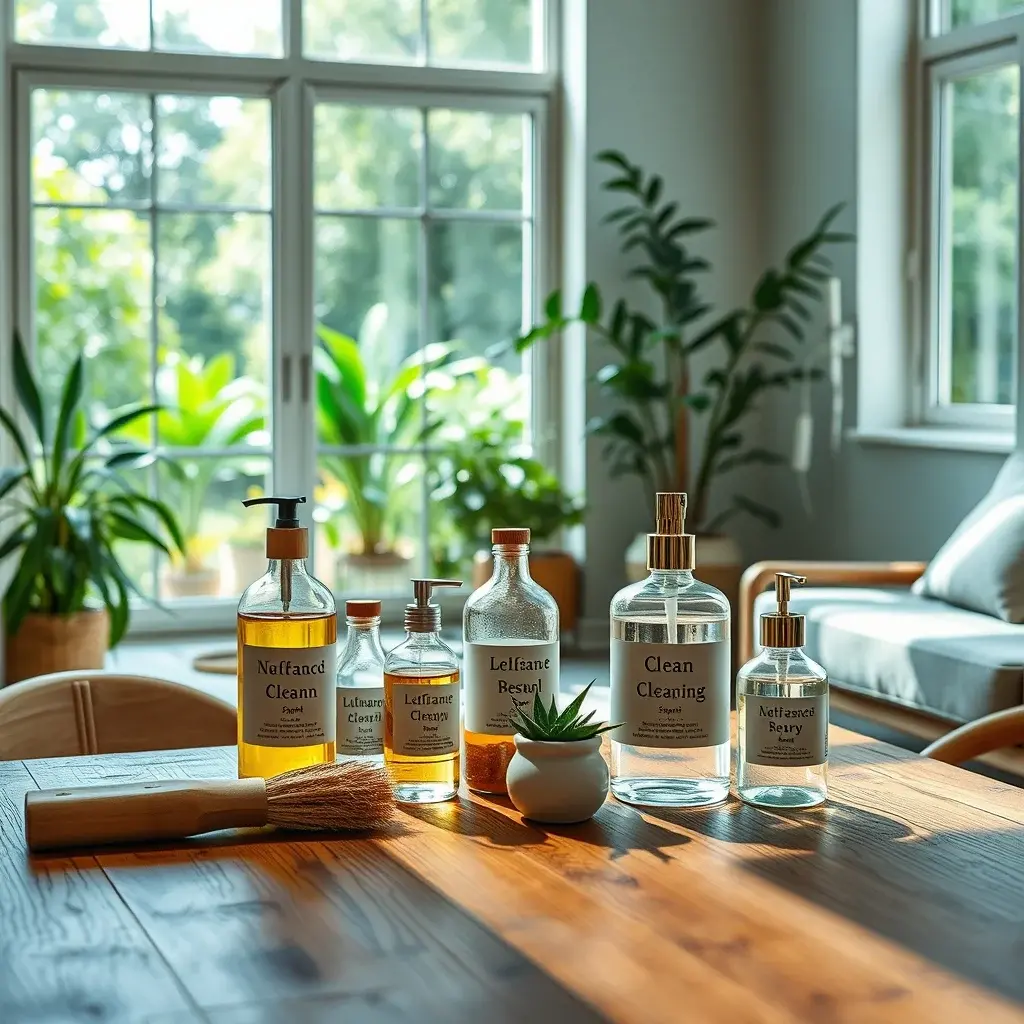
- Ritualization: Clean beauty becomes embedded in daily routines, from morning skincare regimens to evening cleaning rituals. For example, households may adopt plant-based dish soaps, essential oil diffusers, or reusable bamboo cleaning cloths.
- Advocacy: Many adopters engage in community education, sharing resources on social media or participating in local zero-waste initiatives.
Dr. Ami Zota, an environmental health scientist at Columbia University, explains the systemic implications: “The clean beauty movement is not just about individual choices. It’s a market-driven force that compels industries to reformulate products, reduce plastic waste, and disclose supply chain practices. The ripple effects extend to textile manufacturing, food packaging, and even electronics.”
Quantitative Data: Market Growth, Consumer Behavior, and Health Outcomes
The clean beauty lifestyle shift is backed by robust data across economic, behavioral, and health dimensions. Below are key statistics that illustrate its scale and impact:
| Metric | Data Point | Source |
|---|---|---|
| Global clean beauty market size (2023) | $11.6 billion | Grand View Research |
| Projected CAGR (2023-2030) | 12.1% | Statista |
| U.S. household adoption rate (2024) | 42% | NielsenIQ |
| Reduction in indoor air pollutants after switching to plant-based cleaners | 30-50% | American Lung Association |
| Consumer willingness to pay premium for certified non-toxic products | 68% | McKinsey & Company |
| Plastic waste reduction from reusable/refillable packaging | 70% per household annually | Ellen MacArthur Foundation |
Consumer behavior data reveals generational divides. Millennials and Gen Z drive 70% of clean beauty purchases, prioritizing sustainability and ethical sourcing over brand loyalty. In contrast, Gen X and Baby Boomers focus on health benefits, particularly allergen reduction and endocrine disruption avoidance. A 2023 survey by McKinsey found that 55% of consumers research product ingredients before purchasing, up from 38% in 2018.
Systemic Impacts: Environmental, Economic, and Public Health Dimensions
The clean beauty lifestyle shift has far-reaching consequences beyond individual households. Environmentally, the movement has spurred innovations in sustainable packaging, with brands adopting compostable materials, aluminum refill systems, and closed-loop recycling programs. For instance, Loop, a circular shopping platform, partners with major retailers to offer reusable containers for household products, reducing single-use plastic waste by an estimated 80%.
Economically, the shift has disrupted traditional beauty and homecare industries. Legacy brands like Unilever and Procter & Gamble have acquired clean beauty startups (e.g., Unilever’s purchase of Tatcha and P&G’s acquisition of Native) to diversify their portfolios. Simultaneously, indie brands have gained market share by leveraging direct-to-consumer models and transparency. The competitive landscape has forced conglomerates to reformulate products, with 60% of new beauty launches in 2023 marketed as “clean” or “non-toxic,” according to Mintel.
Public health impacts are equally significant. Studies published in Environmental Health Perspectives link reduced exposure to endocrine-disrupting chemicals (EDCs) in personal care products to lower risks of reproductive disorders, obesity, and certain cancers. Dr. Leonardo Trasande, a pediatrician and environmental health researcher at NYU Langone, states: “The average woman uses 12 personal care products daily, exposing herself to 168 unique chemicals. Clean beauty’s emphasis on EDC-free formulations could have measurable population-level health benefits over time.”
Regulatory and Industry Responses
Governments and industry bodies have responded to the clean beauty movement with a mix of regulation, voluntary standards, and corporate initiatives. The EU remains the most stringent, with its Cosmetics Regulation banning over 1,300 chemicals. In the U.S., the FDA’s 2023 Modernization of Cosmetics Regulation Act (MoCRA) introduced mandatory facility registration, adverse event reporting, and ingredient safety substantiation. However, critics argue these measures fall short of the EU’s comprehensive approach.
Industry-led initiatives include the Campaign for Safe Cosmetics, which advocates for stricter federal oversight, and the Responsible Beauty Initiative, a coalition of brands committed to ethical sourcing and transparency. Meanwhile, third-party certifications like USDA Organic, Ecocert, and B Corp have become critical trust signals for consumers.
Stakeholder Perspectives: Conflicts and Consensus
The clean beauty lifestyle shift has sparked debates among stakeholders, revealing tensions between idealism and pragmatism. Below are key perspectives:
- Consumers: Advocacy groups like Women’s Voices for the Earth emphasize the need for systemic change, arguing that individual actions are insufficient without corporate accountability. “We can’t shop our way out of this problem,” says Erin Switalski, the organization’s executive director. “Regulation is essential to level the playing field.”
- Brands: Clean beauty companies face a paradox: meeting consumer demand for affordability while maintaining ethical standards. Jessica Alba, founder of The Honest Company, notes: “Scaling sustainability is expensive. We have to balance accessibility with integrity, which is a constant challenge.”
- Regulators: Policymakers grapple with balancing innovation and safety. Dr. Linda Katz, director of the FDA’s Office of Cosmetics and Colors, acknowledges the limitations of current U.S. regulations: “MoCRA is a step forward, but we need more resources to enforce it effectively.”
- Scientists: Researchers caution against overgeneralizing clean beauty’s benefits. Dr. Heather Patisaul, a neuroendocrinologist at North Carolina State University, warns: “Not all natural ingredients are safe, and not all synthetic ones are harmful. The focus should be on rigorous, independent testing.”
The clean beauty movement also intersects with social justice concerns. Low-income communities and communities of color often face disproportionate exposure to toxic chemicals due to proximity to industrial sites and limited access to non-toxic alternatives. Organizations like Black Women for Wellness advocate for equitable access to clean beauty, framing it as a public health imperative.
As the clean beauty lifestyle shift continues to evolve, its trajectory will be shaped by pending regulatory decisions, technological advancements, and consumer activism. The European Chemicals Agency’s upcoming review of microplastics in cosmetics, slated for 2025, could set a new global standard. Meanwhile, innovations in biotechnology, such as lab-grown botanicals and fermentation-derived ingredients, may redefine what “clean” means in the coming decade. The movement’s success hinges on its ability to reconcile individual wellness with systemic change, ensuring that non-toxic living is not a privilege but a universal standard.
You may also like
-
The Intersection of Science, Sustainability, and Efficacy in Pure Root Beauty: A Multidimensional Exploration of Clean Ingredient Sourcing and Environmental Stewardship
-
The Comprehensive Examination of Raw Root Extracts in Skincare: Mechanisms, Market Evolution, and Multidisciplinary Stakeholder Perspectives
-
The Comprehensive Ecosystem of Sustainable Root Skincare: Balancing Scientific Innovation, Ethical Sourcing, and Market Disruption in 2024
-
The Comprehensive Framework of Wellness-Driven Eco Homes: A Multidimensional Analysis of Sustainable Living, Non-Toxic Practices, and Holistic Well-Being
-
Sustainable Fashion: How the Industry is Shifting Toward Eco-Friendly Beauty and Skincare Practices