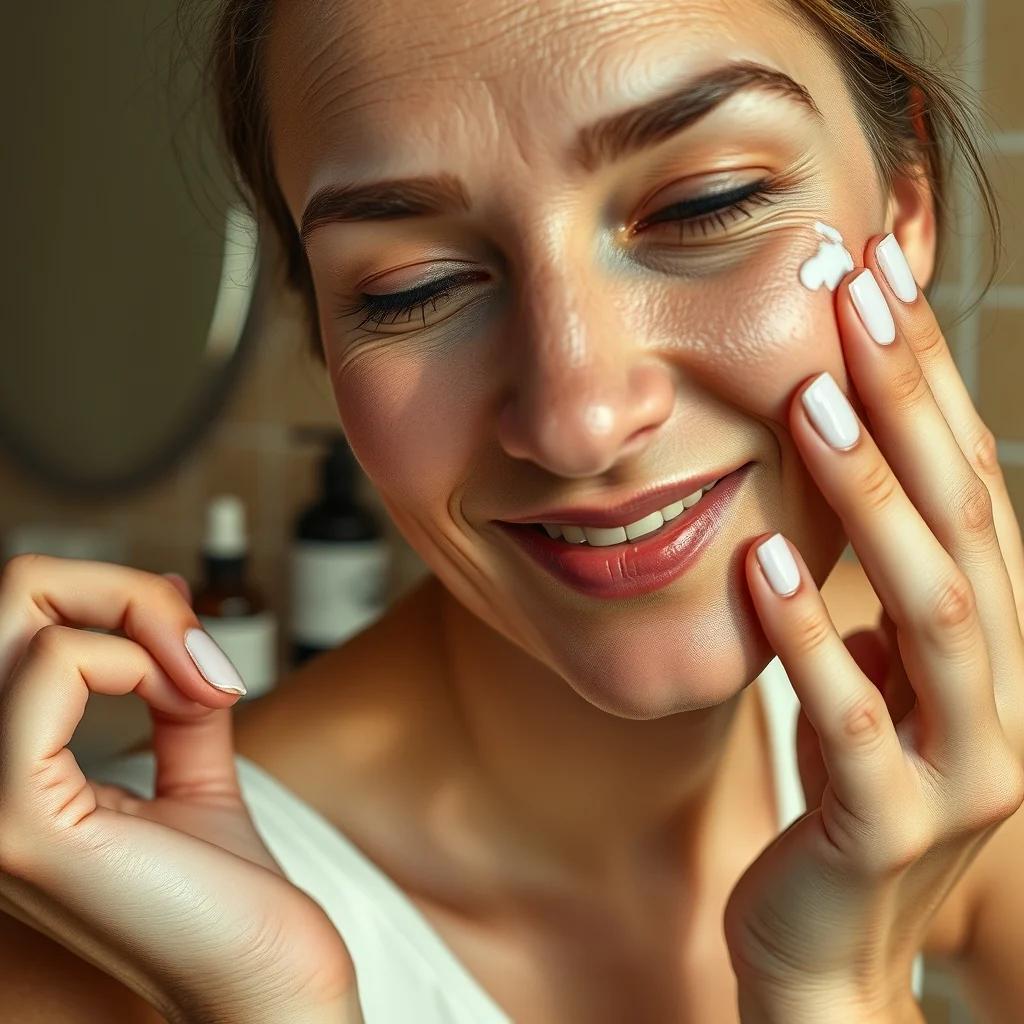
If your skin feels tight, flakes easily, or turns red at the slightest provocation, you’re not alone. Dry and sensitive skin demands gentle, nourishing care—especially when harsh chemicals and synthetic additives only make matters worse. The good news? Sustainable & natural ingredients can restore balance without compromising your skin’s delicate barrier. The key lies in choosing the right botanicals, avoiding common irritants, and adopting a mindful routine that prioritizes long-term health over quick fixes.
Why a Barrier-First Approach Matters
Your skin’s barrier is its first line of defense against environmental stressors, moisture loss, and irritation. When it’s compromised, even the gentlest products can cause stinging or inflammation. Sustainable and natural ingredients work with—not against—this barrier by delivering hydration, antioxidants, and soothing compounds that strengthen rather than strip.
Look for ingredients like ceramides, fatty acids, and humectants that mimic the skin’s natural lipids. These help lock in moisture while allowing the skin to breathe. Unlike synthetic alternatives, plant-based options often come with added benefits, such as anti-inflammatory properties, making them ideal for reactive skin.
Top Sustainable Ingredients for Dry & Sensitive Skin
Not all natural ingredients are created equal. Some can be too potent for sensitive skin, while others lack the nourishment dry skin craves. Here’s a curated list of sustainable powerhouses that deliver results without irritation:
1. Colloidal Oatmeal
Colloidal oatmeal is a skincare superhero for dry, itchy, or inflamed skin. Its beta-glucans and avenanthramides calm redness and reinforce the moisture barrier. Unlike synthetic anti-itch creams, it’s biodegradable and free from harsh chemicals, making it a sustainable choice for both your skin and the planet.
To use it, mix a spoonful with water to form a paste and apply as a mask, or opt for pre-formulated oat-based cleansers and moisturizers. It’s gentle enough for daily use and pairs well with other soothing ingredients like chamomile or aloe vera.
2. Shea Butter
Shea butter is rich in vitamins A and E, along with fatty acids that deeply hydrate and repair the skin’s barrier. Ethically sourced shea butter supports fair-trade practices, ensuring that the communities harvesting it are compensated fairly. Its thick, creamy texture makes it perfect for nighttime use or as a spot treatment for extra-dry patches.
Avoid refined shea butter, as the processing can strip away some of its beneficial properties. Instead, opt for raw or unrefined versions to get the full spectrum of nutrients. For a lighter option, look for products that blend shea butter with jojoba oil, which mimics the skin’s natural sebum.
3. Squalane (Plant-Derived)
Squalane is a lightweight, non-comedogenic moisturizer that mimics the skin’s natural oils. While it was traditionally sourced from shark liver, plant-derived squalane—made from olives or sugarcane—is a sustainable alternative that delivers the same benefits without harming marine life.
It’s an excellent choice for sensitive skin because it’s odorless, non-greasy, and absorbs quickly. Use it as a serum or mix a few drops into your moisturizer to boost hydration without clogging pores. It also works well under makeup, providing a smooth, dewy finish.
How to Layer Natural Ingredients for Maximum Benefits
Layering products correctly can make or break your skincare routine. For dry and sensitive skin, the goal is to build hydration without overwhelming the skin. Start with the lightest textures and work your way up to richer formulations.
Step 1: Cleanse Gently
Harsh cleansers can strip the skin of its natural oils, leaving it feeling tight and uncomfortable. Opt for a creamy, oil-based, or micellar cleanser that removes impurities without disrupting the barrier. Ingredients like coconut oil or sunflower seed oil dissolve dirt and makeup while leaving the skin soft and supple.
Step 2: Hydrate with a Humectant
Humectants like glycerin, hyaluronic acid, or aloe vera draw moisture into the skin. Apply them to damp skin to maximize their hydrating effects. For an extra boost, layer a hydrating toner or essence before your serum to prep the skin for deeper absorption.
Step 3: Seal in Moisture
After hydrating, lock in moisture with an occlusive or emollient. Shea butter, jojoba oil, or plant-derived squalane create a protective seal that prevents water loss. For daytime, opt for lighter oils like argan or rosehip, while richer butters work best at night.
Common Mistakes to Avoid
Even with the best intentions, it’s easy to make mistakes when using sustainable and natural ingredients. Here’s what to watch out for:
Overloading on Essential Oils
While essential oils like lavender or tea tree have benefits, they can be irritating for sensitive skin, especially when used undiluted. If you love their scent or properties, opt for products that use them sparingly or choose fragrance-free alternatives.
Skipping Patch Tests
Natural doesn’t always mean hypoallergenic. Always patch-test new products on a small area of skin before applying them to your face. This simple step can prevent redness, itching, or breakouts.
Using Too Many Actives at Once
Ingredients like vitamin C, retinol, or exfoliating acids can be too harsh for dry or sensitive skin. If you want to incorporate them, start with low concentrations and use them sparingly—once or twice a week at most. Focus on barrier-repairing ingredients first.
Making the Switch to Sustainable Skincare
Transitioning to a natural skincare routine doesn’t have to be overwhelming. Start by replacing one product at a time—like your cleanser or moisturizer—with a sustainable alternative. Look for certifications like Ecocert, COSMOS, or USDA Organic to ensure the ingredients are truly natural and ethically sourced.
Remember, the goal isn’t perfection but progress. Pay attention to how your skin responds, and adjust your routine as needed. Over time, you’ll find the right balance of ingredients that leave your skin feeling nourished, calm, and resilient.
If you’re ready to take the next step, explore products with the ingredients mentioned above, and don’t forget to check the American Academy of Dermatology’s guidelines for sensitive skin care. Your skin—and the planet—will thank you.
You may also like
-
Sustainable & Natural Ingredients: A Beginner’s Guide to Nourished Skin
-
Sustainable Ingredients: A Beginner’s Guide to Natural Skincare Without the Hype
-
Natural Ingredients for Skin: A Beginner’s Guide to Sustainable Skincare
-
Sustainable Skincare Starter: Natural Ingredients for Glowing Skin
-
Bahan Alam & Berkelanjutan untuk Kulit: Panduan Lengkap untuk Pemula